











Laser Engraver Materials Compatibility Guide
A lot of beginners make the mistake of assuming “a good laser engraver can engrave anything.” That’s simply not true. When you are serious about laser engraving, especially as a business venture, understanding which materials you can and cannot engrave is non-negotiable. It’s not just about whether something works. It’s about:
- Safety (some materials release toxic fumes)
- Quality (some engrave cleanly, others burn or melt unpredictably)
- Efficiency (wrong materials waste time and money)
The reality is your material choice affects your results just as much as your machine does.
Let’s break down the most common materials you’ll encounter, what to expect from each, and how to use them properly.

Laser Engraver Material Compatibility Chart
| Material | Engravable? | Best Laser | Key Notes | Common Uses |
| Glass | Yes | CO2 Laser | It creates a frosted effect, which is distinctive to glass engraving. | Drinkware |
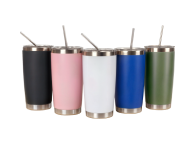
| Stainless Steel | Yes | Fiber laser | Needs marking spray if you are using a CO2 laser engraver | Tumblers |
| Plastic | Sometimes | CO2 Laser | Avoid PVC | Labels |
| Leather | Yes | CO2 Laser | Burns clean, very suitable | Wallets |
| Tungsten | Yes | Fiber laser | Very hard, required a high-power laser. | Rings |
| Wood | Yes | CO2 Laser | One of the easiest to engrave | Signs |
| Metal | Yes | Fiber Laser | Reflective | Parts |
| Ceramic | Yes | CO2 laser | Needs coating sometimes | Mugs |
| Aluminum | Yes | Fiber laser | Best anodized | Tags |
| PU Leather | Yes | CO2 Laser | Synthetic | Patches |
| Carbon Fiber | Yes | Fiber laser | Use caution | Panels |
| Fabric | Yes | CO2 Laser | Burns/melts | Apparel |
| PLA | Limited | CO2 Laser | Melts easily | 3D prints |
| Faux Leather | Yes | CO2 Laser | Designed for lasers | Branding |
| Epoxy Resin | Yes | CO2 Laser | Smooth finish | Jewelry |
| Silicone | Yes | CO2 Laser | Texture change | Wristbands |
| Plexiglass | Yes | CO2 Laser | Clean cuts | Signs |
| Resin | Yes | CO2 Laser | Similar to epoxy | Crafts |
| Brass | Yes | Fiber laser | Reflective | Plates |
| Marble | Yes | CO2 Laser | High contrast | Memorials |
| Cardboard | Yes | CO2 Laser | Burns easily | Packaging |
| Granite | Yes | CO2 Laser | Durable | Memorials |
| Concrete | Yes | CO2 Laser | Etching | Décor |
| Stone | Yes | CO2 Laser | Natural variation | Art |
| Rubber | Yes | CO2 Laser | Ideal for stamps | Stamps |
| Powder Coating | Yes | Fiber laser | Removes layer | Labels |
| Bamboo | Yes | CO2 Laser | Like wood | Kitchenware |
| Polycarbonate | No | — | Poor results | Avoid |
| Vinyl | No | — | Toxic fumes | Avoid |
| Porcelain | Yes | CO2 Laser | Like ceramic | Plates |
| Copper | Yes | Fiber laser | Reflective | Jewelry |
| Gold | Yes | Fiber laser | Soft metal | Jewelry |
| Corian | Yes | CO2 Laser | Composite | Signs |
| Crystal | Yes | CO2 Laser | Premium finish | Awards |
Laser Engraver Materials: Best to Worst Materials to Laser Engrave
1. Glass
Glass is suitable for laser engraving because it reacts well to laser heat. When exposed to laser heat, it micro-fractures rather than melting. This creates a frosted appearance, which gives glass-engraved items like wine glasses, awards, and decorative panels a unique, beautiful appearance.
Take note, though, that glass does not absorb heat deeply, so glass engraving is usually limited to the surface, but the contrast can look very clean. For a beginner, learning how to engrave glass cups is an ideal way to get into glass engraving.
2. Stainless Steel
Stainless steel can be engraved, but with limitations. Stainless steel is naturally reflective, which makes it unsuitable for direct engraving with standard CO2 lasers.
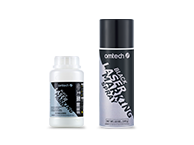
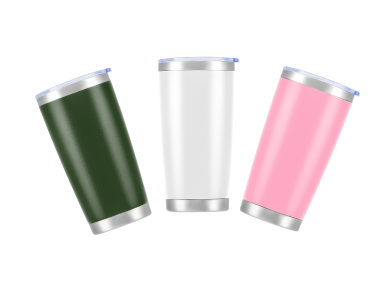
Still, stainless steel laser engraving is suitable when you use a fiber laser engraver or apply a marking compound before using a CO2 laser engraver. The laser then creates a chemical bond or surface mark instead of cutting into the metal. So, you might want to explore some stainless steel engraving tips before you approach common stainless steel laser engraving projects like tumblers, tools, and industrial tags.

3. Plastic
Laser engraving plastic is possible, but not all types of plastic are suitable for laser engraving. Some plastics melt or release toxic fumes (like PVC), while others are suitable because they melt or vaporize cleanly. For plastic engraving, the best laser engravers are CO2 (safe plastics only), and they can commonly be used for labels and signage.
4. Leather
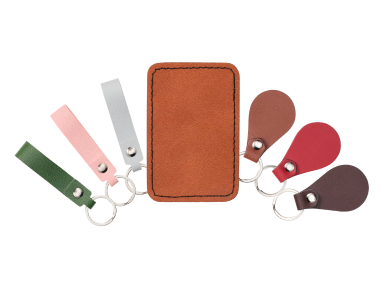
Leather can be laser-engraved because it burns in a controlled way, creating a strong contrast. Natural leather engraves especially well because of its organic structure: it burns cleanly and creates dark contrast. For leather, you need a CO2 laser engraver. Common projects are wallets, belts, and patches. Learn how to choose the best leather for laser engraving.
5. Tungsten
Tungsten can be laser-engraved, but only with the right laser engraver. Because it is extremely hard and heat-resistant, engraving tungsten is only possible with high-powered fiber lasers, which can overcome its density.
Consider common tungsten engraving projects like rings and industrial parts.
6. Wood
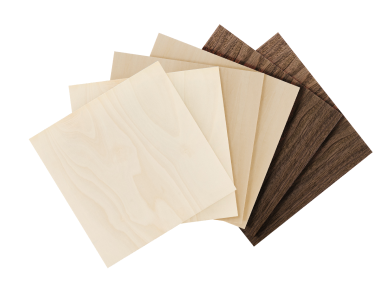
Wood is one of the most suitable materials for laser engraving because it absorbs laser energy easily and burns predictably. The natural grain also adds visual character to engravings. For wood laser engraving, you need a CO2 laser engraver.
Consider common wood laser engraving projects that sell, like signs, cutting boards, and décor.

7. Metal (General)
Most metals are unsuitable for CO2 lasers because they reflect energy instead of absorbing it. So, laser metal engraving is only possible if you use a high-energy fiber laser or use coatings that allow surface marking. Consider starting with common beginner metal engraving patterns like geometric shapes and basic text.
8. Ceramics
Ceramic can be suitable for laser engraving because the surface reacts well to heat. However, to engrave ceramic, you need to coat the surface or treat it with a glaze reaction. Deep engraving may not be possible; usually, the laser just marks the surface.
For ceramic laser engraving, you need a CO2 laser engraver, and you can consider projects like mugs and tiles. Explore a complete guide on how to engrave ceramic tiles.
9. Aluminum
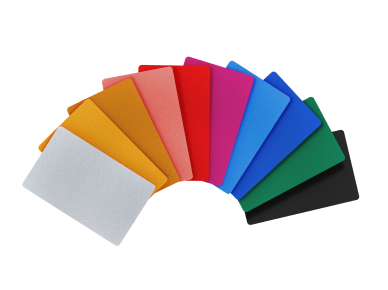
Aluminum is reflective, which makes raw aluminum difficult for CO2 lasers. However, anodized aluminum is very suitable for laser engraving because the coating absorbs the laser and burns away cleanly.
For aluminium laser engraving, a fiber laser engraver is best, but a CO2 laser works for anodized aluminium. Consider common aluminum engraving projects like tags, panels, and electronics.
10. PU Leather
PU leather is suitable when it is specifically designed for laser use. Because it is designed to mimic leather, it tends to behave like real leather, darkening under heat.
However, it all depends on the quality of PU leather; lower-quality versions may melt instead of engraving cleanly. With a CO2 laser engraver, you can approach PU leather engraving projects like custom patches and accessories.
11. Carbon Fiber
Carbon fiber is partially suitable for laser engraving. The resin layer reacts well to the laser heat, but the fibers themselves do not engrave well. So, if proper care is not taken, the results will look very inconsistent. However, it is not uncommon for automotive parts and panels made of carbon fiber to be engraved.

12. Fabric
Fabric engraving is possible depending on the type of fabric in question. Natural fabrics burn, but synthetic fabrics tend to melt when exposed to a laser. Technically, both can be engraved, but it will require meticulous care and attention, as too much heat can ruin the material quickly.
With a CO2 laser engraver, you can approach common fabric engraving projects like patterns and apparel customization.
13. PLA
PLA is only slightly suitable for laser engraving. It has a low melting point, so it is very easy for it to deform. If you must engrave it, the machine has to be set to a low power to avoid damage.
The best approach would be to use a lower-power CO2 laser engraver, especially if you are approaching a common project like 3D print customization.
14. Faux Leather
Not only is it possible to engrave faux leather, but it is actually designed specifically for laser engraving. It produces consistent contrast without the unpredictability of real leather.
Common faux leather engraving projects like patches and branding items are usually engraved with CO2 laser engravers.
15. Epoxy Resin
Epoxy resin can be engraved because it etches cleanly under controlled heat. However, the heat has to be controlled: too much heat can cause clouding or uneven surfaces.
For epoxy resin engraving, you will need a CO2 laser engraver, and you can approach projects like jewelry and river tables.
16. Silicone
Silicone is only moderately suitable for laser engraving. It doesn’t burn deeply but instead changes surface texture, which means you can make some subtle engraving effects. With a CO2 laser engraver, you can consider engraving projects like wristbands and even kitchen tools.

17. Plexiglass (Acrylic)
Plexiglass is highly suitable because it vaporizes cleanly when hit by a laser. This allows for smooth edges and clear engravings. More commonly known as acrylic, it is actually one of the most reliable laser materials to engrave, and there are many beginner-friendly resources to learn the basics of acrylic engraving.
18. Resin (General)
In general, resin is very suitable for laser engraving. Just like epoxy, it can be etched or slightly melted for detail, but requires careful heat control. Resin laser engraving is common for crafts and art pieces.
19. Brass
Brass is reflective, which makes it unsuitable for CO2 lasers. However, laser engraving brass is possible with a fiber laser. Because it is reflective, it needs a proper laser. Common brass projects are nameplates and décor.
20. Marble
Marble is suitable for laser engraving because it reacts to heat by changing surface contrast. Marble laser engraving is shallow, but it is visually effective.
For marble engraving, the best machine is a CO2 laser engraver, and the most common projects are usually memorial plaques.

21. Cardboard
Just like MDF, cardboard is very suitable because it absorbs heat easily and burns quickly. However, it burns easily, so it requires low power to avoid overburning. Cardboard laser projects involve packaging products and prototypes.
22. Granite
Granite is highly suitable for laser engraving, especially the darker types. The heat of the laser causes mineral changes that produce a strong contrast, which is why granite engraving projects like memorials and signage are so beautiful.
23. Concrete
Concrete is suitable for surface engraving. The laser etches the top layer, and that creates a rough but visible design. With a CO2 laser engraver, you can approach decorative slabs.
24. Stone
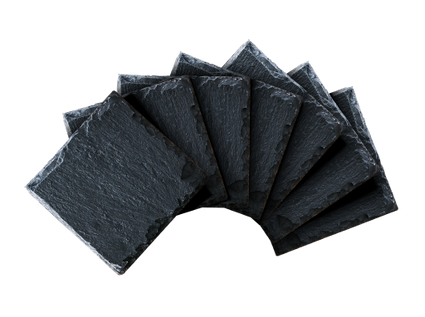
Stone (in general) is suitable for laser engraving; just like granite and marble, it responds to heat with surface fracturing and color change. However, the results may vary depending on composition. With a CO2 laser engraver, consider projects like art and memorials.
25. Powder Coating
Powder-coated materials are suitable for laser engraving; the laser removes the coating layer, revealing the material underneath, which works great, especially for industrial labels. You can go at it with a fiber or CO2 laser engraver.

26. Bamboo
Just like wood, bamboo is very suitable for laser engraving. It engraves cleanly and produces consistent contrast, which is great for projects like kitchenware and décor. For bamboo, you want a CO2 laser engraver.
27. Polycarbonate
Polycarbonate is generally unsuitable for laser engraving. It is not impossible, but it tends to burn poorly, discolor, and produce messy engravings. It is best to avoid polycarbonate, as it is not suitable.
28. Vinyl
Vinyl is not only unsuitable for laser engraving, but it is also dangerous. It releases toxic chlorine gas when exposed to laser heat, which is not healthy. Avoid laser-engraving vinyl.
29. Porcelain
Just like ceramic, porcelain responds well to laser engraving, especially if you use a CO2 laser engraver. The laser reacts with the surface layer to create visible markings, which is perfect for plates and mugs.
30. Copper
Copper is suitable for fiber laser engraving, but not CO2 laser engraving. Because it is highly reflective, it needs a strong laser engraver that can overcome its reflectivity. With a fiber laser engraver, you can approach projects like jewelry and electronics.
31. Gold
Gold is suitable for engraving with fiber lasers. Because it is a soft metal, it absorbs enough energy for precise marking, and that is why it is commonly used in jewelry.
32. Corian
Corian is suitable for laser engraving because it is an acrylic-based composite. When you use a CO2 laser engraver, it engraves cleanly and produces consistent results. It is best for projects like signage and countertops.

33. Crystal
Just like glass, crystal is suitable for laser engraving; it produces a cleaner, more refined finish due to its clarity, which explains why it is used for awards and gifts. The best laser for crystal would be a CO2 laser engraver.
Final Thoughts on Dealing with Laser Engraving Materials
If you want consistent, high-quality results in laser engraving, don’t just focus on your machine; focus on your materials. A good rule is that CO2 laser engravers work best for organic and non-metal materials, while fiber lasers are better for metals and high-reflective surfaces. Most importantly, when in doubt, don’t engrave it until you’re sure it’s safe.