







How to Laser Cut Fabric
When you are laser cutting fabric, your main goal should be maximum precision without damage. In other words, you want to ensure that the edges are clean (no fraying), burning or discoloration is minimal, and the fabric maintains its structure and flexibility after cutting.
Fabric is not like wood or acrylic; it is delicate. Too much power and you scorch it. Too little, and you don’t cut through cleanly. That’s why taking the time to learn proper technique matters almost as much as the potency of your laser cutting machine. Using the right technique allows you to limit material waste and helps you produce results that actually look sellable or usable.
 What Laser Cutting Machine Do You Need for Fabric?
Choosing the fabric laser cutter is the first big decision when it comes to laser cutting, and it has a direct impact on your results. Generally, CO₂ laser cutters are best for cutting fabric, but diode lasers can also work to an extent.
1. CO₂ Laser Cutters: Best for all Kinds of Fabric
If you want clean, consistent fabric cuts, a CO₂ laser cutter is the best choice. CO₂ lasers work so well for cutting fabric because they use a wavelength that fabric absorbs efficiently, and so can cut quickly with minimal fraying.
A CO₂ laser cutter also seals synthetic fabric edges as it cuts, and offers precise control over power and speed for more efficient work. This explains why they are ideal for everything fabric-related, from fashion design to industrial textile work.
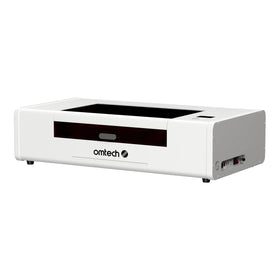
From 60W to 130W CO2 laser engraver models, the Omtech Pronto series contains some of the most versatile laser engravers for fabric. These laser engravers are known for their robust laser output, speedy and efficient performance, and their expansive work areas for tackling wood projects of every kind.
Consider the Omtech Pronto 35 Laser Engraver and Cutter, a beginner model, which has become a favorite for fabric businesses.
2. Diode Lasers: Decent for Thin Fabrics
Diode lasers can also cut fabrics, but only thin and synthetic fabrics. Because they are generally less powerful, the cutting process will be slow, and it certainly will not do well on thicker fabrics. However, they are more affordable and may do a decent job, especially if you are working on a DIY fabric cutting project.
For the best fabric cutting performance, go for a CO₂ laser. A diode laser is a budget option, but it is very limited when it comes to cutting fabric.
How to Laser Cut Fabric (Best Settings and Process)
The key to laser cutting fabric is to balance power and speed, so you cut cleanly without burning. Fabric requires a lighter touch than most materials, and so you need the right settings and a good approach.
General Laser Settings For Cutting Fabric
The best laser setting for cutting fabric will vary depending on your machine and fabric, but here’s a solid baseline:
| Power | Low to medium |
| Speed | High |
| Passes | Usually 1 |
| Air assist | Light airflow (too strong can shift fabric) |
These settings are ideal for laser cutting fabric because the high speed prevents overheating, the lower power reduces burn marks, and the single-pass cutting minimizes edge damage. Remember to always run a test cut; fabric types vary a lot.
Laser Cutting Settings Chart for Fabric (Quick Reference)
| Fabric Type | Machine | Power (%) | Speed (%) | Passes | Air Assist | Notes |
| Polyester | CO₂ Laser (40W–100W) | 20–40% | 60–90% | 1 | Low–Medium | Melts slightly to seal edges, so lower power + higher speed prevents over-melting and keeps edges clean. |
| Polyester | Diode Laser (5W–20W) | 60–100% | 40–70% | 1–2 | Low | Less powerful, so a higher power is needed. Still keep the speed relatively high to avoid excessive melting. |
| Cotton | CO₂ Laser (40W–100W) | 15–30% | 70–100% | 1 | Low | Natural fiber burns easily, so low power + fast speed reduces charring and scorch marks. |
| Cotton | Diode Laser (5W–20W) | 50–80% | 50–80% | 1–2 | Low | Needs a bit more power than polyester since it doesn’t melt. Watch closely for burning. |
| Felt (Synthetic) | CO₂ Laser (40W–100W) | 25–45% | 50–80% | 1 | Medium | Slightly thicker and denser, so more power is needed. Synthetic felt seals nicely when cut. |
| Felt (Synthetic) | Diode Laser (5W–20W) | 70–100% | 30–60% | 2–3 | Low–Medium | Density requires multiple passes. Slower speed ensures full cut-through. |
How to Use This Chart (Quick Tips)
- Start in the middle of the range, not at the extremes
- Always do a small test cut first: fabric varies a lot even within the same type
- If edges are burning/scorching, increase speed or lower power. If they are not cutting through, increase power or add another pass.
Remember, for polyester and synthetic felt, you are leveraging melting to get cleaner edges, but for cotton, you’re fighting burning, so speed is what you need. This one distinction alone will save you a lot of frustration.
How to Laser Cut Fabric: Step-by-Step Process
The process of laser cutting fabric begins with preparing the fabric and ends with an inspection and finish. Follow these steps:
- Prepare the fabric: Lay the fabric flat and smooth out wrinkles, and secure it (pins, weights, or honeycomb bed) so it doesn't shift during cutting
- Adjust the focus: Proper focus ensures a clean, narrow cut. Poor focus means frayed or incomplete edges.
- Set your parameters: Start with conservative (lower power, higher speed) settings, and adjust based on test results.
- Run a test cut: Check for a clean cut-through, minimal discoloration, and no excessive melting or charring
- Start cutting: Monitor the process closely as you cut. Remember, fabric can ignite if overheated. Never leave it unattended
- Inspect and finish: Remove any residue, trim loose threads if needed, and do some light cleaning if there is smoke discoloration or anything like that.
What Types of Fabric Work Best for Laser Cutting?
Not all fabrics behave the same under a laser. Some cut beautifully, while others can burn, melt, or release harmful fumes. The best fabrics for laser cutting are nylon, polyester, and felt (synthetic) because they typically share three features:
- They have consistent thickness
- They are heat-responsive in a predictable way
- They do not produce excessive smoke or toxic fumes.
These materials melt slightly when cut (sealed edges), no fraying, and produce clean, sharp results.
Laser Cutting Fabric Material Guide
| Fabric Type | Suitable for Laser Cutting? | Why / Key Considerations |
| Lace fabric | Yes (with care) | Thin and delicate, so it cuts easily. However, it can burn or shrink if the power is too high. Use low power and high speed. |
| Cotton fabric | Yes (with caution) | Natural fiber cuts easily but tends to char and may fray since edges don’t seal. Best for simple cuts, not high-precision decorative work. |
| Velvet fabric | Sometimes | Depends on the backing material. Synthetic velvet cuts better; natural velvet can scorch and lose texture. Test first. |
| Non-woven fabric | Yes | Very laser-friendly due to uniform structure. Cuts cleanly with minimal fraying, which is great for filters, crafts, and industrial use. |
| MOLLE fabric | Not recommended | It is typically thick, layered nylon (like Cordura). Too dense for clean cuts on most machines and may melt unevenly or burn. |
| Scuba fabric | Yes | Usually polyester-based with a smooth, consistent structure. Cuts cleanly and edges seal well. Great for fashion and crafts. |
| Neoprene fabric | Limited use | Can be cut, but produces strong fumes and may melt excessively. Requires excellent ventilation and careful settings. |
| Faux leather fabric | Sometimes | Safe only if PVC-free (PU leather is okay). PVC-based versions release toxic fumes, which must be avoided. Always verify the material first. |
| Mesh fabric | Depends | Synthetic mesh can cut well, but an open structure may lead to uneven edges or melting. Requires careful tuning. |
| Fabric mask | Depends on the material | Usually multi-layered (cotton + synthetic). Mixed materials can cut unevenly or burn; test before production. |
| Polyester fabric | Yes (best option) | One of the best materials for laser cutting. Melts slightly to seal edges, preventing fraying and producing clean results. |
Quick Takeaways
- Best overall: Polyester, non-woven, scuba fabric
- Usable with adjustments: Cotton, lace, mesh, velvet
- Use caution (or verify first): Faux leather, neoprene, fabric masks
- Avoid: Thick, layered materials like MOLLE fabric
Synthetic fabrics are the easiest and most beginner-friendly. Natural fabrics require more fine-tuning.
Best Fabric Laser Cutting Ideas and Projects
Once you get the hang of it, fabric laser cutting opens up a lot of creative and commercial opportunities, from custom apparel designs to home decor projects.
- Custom apparel designs: Fiber laser cutting fabrics adds precision you can’t get with scissors, and it is perfect for branding or unique fashion pieces.
- Fabric Appliqués: Laser cutting ensures perfectly consistent shapes on fabric appliques. Perfect for quilters or craft business owners.
- Lace and Intricate Patterns: Laser precision enables complex designs for lace and intricate patterns. This is best for high-end fashion projects and decorative textiles.
- Stencils and Templates: Stencils and templates are always ideal to have for workshops and DIY creators. Laser cutting the fabric speeds up production and ensures consistency, which is ideal for stencils and templates.
- Home Décor Projects: For home decor projects like cushion covers, curtains, wall hangings, etc, fabric laser cutting adds custom detail without requiring expensive materials.

Final Thoughts on Laser Cutting Fabrics
Laser cutting fabric is all about control. If you focus on low power, high speed, and proper material selection, you’ll get clean, professional results without damaging the fabric.
Start simple, test often, and once you dial things in, you’ll be able to create everything from custom clothing to sellable products with confidence.
You might also be interested in laser engraving and etching fabric, and some more laser projects you can do on fabric.