







How to Print on Glass With a UV Printer
UV printers are incredibly diverse machines that can apply full-color, durable graphics onto a variety of hard, non-porous surfaces. Glass is just one of the many media available for UV printing, offering a semi-transparent backdrop for beautiful images. From awards and stained glass panels to bottles and branded displays, UV printing on glass creates premium results that traditional vinyl or screen printing can’t match. 
In this guide, we’ll walk you through how to print on glass, highlighting the unique considerations it requires. You’ll learn how to prepare artwork, position accurately, improve ink adhesion, and set up a repeatable production process using a flatbed UV printer like the OMTech Spectra.
Why UV Printing Works So Well on Glass
Glass is smooth, rigid, and completely non‑porous, which makes it challenging for traditional inks. Solvent or water‑based inks tend to bead up, smear, or peel without additional treatments. UV printing solves this problem by using inks that cure instantly when exposed to ultraviolet light.
Instead of soaking into the surface, the ink hardens into a thin solid layer that mechanically bonds to the glass. This allows for sharp edges, vibrant color, and layered effects such as white underbases or spot varnish. Once cured, the print is dry to the touch immediately—no heat drying, no waiting time, and no post‑processing required.
For businesses that need short turnaround times and consistent quality, this instant curing is a major advantage.
Tools and Materials You’ll Need
The basic setup for printing on glass closely mirrors printing on wood or acrylic, but with a few additional precautions.
You’ll need:
-
A flatbed UV printer, such as the OMTech Spectra
-
Clean glass panels or objects
-
OMTech Print (or compatible RIP software)
-
Measuring tools or calipers
-
Painter’s tape or alignment guides
-
Isopropyl alcohol and lint‑free cloths
Because glass shows fingerprints and dust easily, surface preparation becomes more important than with porous materials like wood.
Preparing Your Design in the Software
Start by creating or selecting your artwork, then import it into your RIP software. You’ll set the exact height and width of the design based on the printable area of your glass piece.
Avoid estimating dimensions. Measure the glass precisely and enter the values into the software so the image appears at true scale in the workspace. This step ensures that logos, borders, and text land exactly where intended.
If your design will be viewed from the opposite side of the glass—such as a window decal or interior sign—mirror the artwork horizontally before printing. Once confirmed, your design is ready for placement calibration.
Positioning the Image Accurately on Glass

UV printers do not automatically detect material edges, so manual positioning is essential.
Secure a scrap piece of glass to the bed and mark its edges with painter’s tape. These markers show where the material sits relative to the printer’s origin point. Print a small test graphic and measure how far it lands from the target position. Then adjust the X and Y values in the software accordingly.
Repeat this process until the image aligns perfectly. Once the correct coordinates are found, record them. If future glass pieces are placed in the same location, you can reuse these values and avoid repeated test prints.
This setup step may take time, but it dramatically improves speed and consistency in production.
Special Tips for Printing on Glass
Glass requires a bit more care than wood or plastic. These tips can significantly improve print quality and durability:
Thorough cleaning: Wipe the surface with isopropyl alcohol to remove oils, dust, and fingerprints. Any residue can weaken adhesion or cause visual defects.
Use a white ink base: Colors printed directly onto clear glass can appear transparent and muted. A white underlayer dramatically improves brightness and contrast.
Consider adhesion promoters: For items that will be handled frequently or exposed to moisture, a light glass adhesion primer can improve long‑term durability.
Avoid excessive ink thickness: Heavy ink buildup can increase the chance of chipping on edges. Multiple thin passes are usually safer than one thick layer.
Mind static electricity: Glass can attract dust through static charge. Grounding the bed or lightly misting the air can help reduce debris settling on the surface.
Following these steps helps ensure professional results that withstand everyday use.
Printing the Final Design
Once your artwork is sized and positioned, place the cleaned glass piece onto the printer bed using your alignment guides. Confirm the saved X and Y coordinates in the software and start the print job.
The OMTech Spectra applies UV‑curable ink and instantly hardens it using integrated LED curing lamps. When the job finishes, the glass is immediately ready for handling, packaging, or assembly—no drying racks or coatings required.
Turning This Into Batch Production

After your measurements are locked in, printing on glass becomes highly repeatable. By using identical glass sizes and consistent placement, dozens of pieces can be printed with the same software settings.
Many shops keep permanent tape guides or printed bed templates to speed up alignment. This workflow is ideal for producing:
-
Awards and plaques
-
Store signage
-
Decorative panels
-
Promotional products
-
Architectural glass inserts
Because the process is digital, personalizing each item requires only a file change, not a hardware adjustment.
Why the OMTech Spectra Is Well‑Suited for Glass Printing
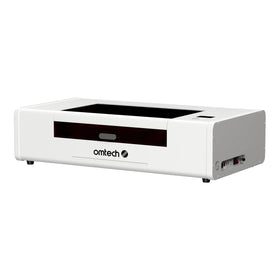
The OMTech Spectra UV Printer is designed for rigid‑material workflows like this. It features an A3‑size flatbed, high‑resolution Epson print technology, and support for CMYK, white, and varnish inks.
Automated ink circulation reduces clogging, while built‑in maintenance routines minimize downtime. OMTech Print software combines image setup, RIP processing, and machine control into one interface, eliminating the need for multiple programs.
These features make glass printing reliable, repeatable, and scalable for small businesses and production shops alike.
Final Thoughts
UV printing transforms glass from a fragile, difficult surface into a powerful medium for professional graphics. With proper cleaning, accurate positioning, and thoughtful ink layering, you can achieve crisp, durable prints that rival traditional manufacturing methods—without outsourcing or long setup times.
Once your workflow is dialed in, printing on glass becomes fast, predictable, and profitable.
Ready to add premium glass printing to your product lineup? Discover the OMTech Spectra UV Printer and unlock high‑resolution, full‑color printing on glass, wood, acrylic, metal, and more—all in one compact, business‑ready system. Bring your designs to life with OMTech Spectra.