








Is It Safe for Students to Use Laser Machines?

Laser engraving and cutting machines are increasingly common in educational settings, from makerspaces and art labs to STEM programs. Students can gain hands-on experience with design, material engineering, and creative making, and engage in project-based learning. However, the question many educators, parents, and administrators ask is legitimate: Is it safe for students to operate laser machines?
The short answer: yes. With proper safety measures, supervision, and equipment, it is safe for students to operate laser machines. Just like other tools (drills, saws, 3D printers, and other CNC machines), laser engravers carry potential hazards if used improperly. The difference between safe and unsafe practices comes down to equipment, training, safety features, and oversight. In this article, we’ll examine the risks and safeguards while showing how machines like the OMTech Pronto can help make student use safer.
Understanding the Risks
Any time you have a focused laser beam and high voltages, there are inherent risks. Some hazards include:
-
Eye or skin injury: The laser beam (or reflections) can burn or damage the retina. Because some infrared lasers are invisible to the eye, it’s important to wear laser-safe eye protection.
-
Fire risk/flare-ups: Certain materials or debris may catch fire during cutting. A small flare that’s not monitored can escalate quickly.
-
Fume/respiratory hazards: Some materials emit hazardous fumes or gases when vaporized. Adequate ventilation or fume extraction is essential for your machine.
-
Electrical & water coolant hazards: Laser systems often involve high-voltage components and cooling systems. Faults, leaks, or improper grounding present risk.
-
Mechanical risks: Moving parts, belts, mirrors, or unexpected motion could pinch or injure. OMTech CO2 laser machines have a closed bed to avoid such injury during operation.
Key Safety Features & Design Elements That Make a Difference
Good machine design can reduce much of the risk. Here are the safety features to look for, especially in educational or novice settings:
1. Enclosed/Interlocked Enclosures
Fully enclosed laser beds with key locks or interlock switches prevent the laser from firing if the cover is open. This ensures students cannot expose beams during operation. Many educational or commercial machines adopt Class-1 or enclosed designs where the beam is fully contained.
2. Viewing Windows with Filters
Transparent windows made of appropriate material (e.g. acrylic or glass with IR filtering) allow supervision without direct beam exposure.
3. Emergency Stop & Safety Alarms
A clearly-marked emergency stop button allows immediate shutdown. Machines like the OMTech Pronto include built-in temperature sensors, pressure sensors, and alarms that shut off power when a fault is detected.
4. Flame-Retardant Housing & Material Safety
The Pronto series uses flame-retardant PC plates and safety relays to mitigate risk of fire, especially during prolonged operations.
5. Automatic Pause/Shutdown
If cover opens, coolant fails, or sensors detect unsafe conditions (pressure drop, overheat), the machine will pause or stop.
6. Built-in Autofocus/Control Electronics
Reducing the need for manual adjustments lowers the chance of user errors. OMTech includes autofocus and upgraded electronics in Pronto models for both precision and safety.
7. Pass-Through Ports with Safety Measures
Some models like the Pronto feature front & back pass-through doors, allowing material longer than the bed to be processed safely while keeping much of the system closed.
8. Certifications & Class Ratings
Class 1 laser machines like the Pronto are certified under ISO 13849-1:2023, ensuring safety standards.
These layers—physical, electrical, software, procedural—make safe in-school use practical.
Best Practices for Student Usage & Supervision

Here are strategies and procedures to ensure safe and educational student interaction:
1. Always Supervise Operations
Never let students run the laser unattended. An adult or trained technician should monitor, intervene, or assist in any error or flare-up.
2. Formal Training & Certification
Prior to using the laser, students should complete safety training, hands-on orientation, and sign safety policies (similar to university lab safety protocols).
3. Use Project-Based, Graduated Tasks
Begin with low-power engraving on safe materials, then gradually introduce cutting tasks, more complex materials, or longer jobs to students as they prove mastery.
4. Material Control & Approved Materials Only
Maintain a list of safe materials (wood, acrylic, paper) and ban hazardous or unknown materials (PVC, vinyl with chlorine, etc., which release toxic fumes).
5. Ventilation & Fume Extraction
Ensure the laser area has strong exhaust fans, filters, or fume extractors. Keep ambient airflow such that smoke is pulled away from users.
6. Fire Safety Preparedness
Always have a proper fire extinguisher (CO₂ or Class C) and a fire blanket nearby. Monitor the cutting process and remain vigilant, ready to act on any flare-up.
7. Regular Maintenance & Cleaning
Residue or debris can spark fires or interfere with optics. Clean mirrors, optics, laser head, and ventilation regularly.
8. Previews & Test Runs
Always run previews or low-power test passes on scrap material before executing the full job. This reduces risk of unexpected behavior.
9. Protective Eyewear (When Needed)
Though many educational lasers are enclosed and safe, some tasks or adjustments may require laser-rated goggles for infrared wavelengths.
10. Incident reporting and feedback loop
Track near-misses or alarms. Incorporate feedback into safety updates or training improvements.
Balancing Access & Protection
It’s understandable for educators to fear liability. But completely locking students out of laser experiences can stifle learning. The goal is safe access—giving students hands-on experiences under tightly managed conditions.
Some tips to help:
-
Use permission forms and waivers
-
Have a laser safety officer or supervisor who oversees access
-
Start with guided demos before letting students operate
-
Document training, supervision, and incidents in logs
-
Restrict access (e.g., keys, passes) to trained users only
Over time, students gain confidence, skill, and respect for machine safety—which is itself a valuable STEM lesson.
Educate the Next Generation with OMTech

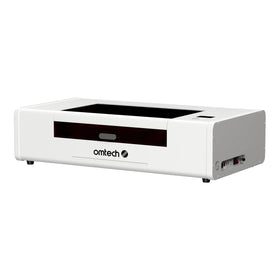
OMTech Pronto Series CO2 Laser Machine
With supervision, proper training, and layered safety design, students can safely use laser engravers and cutters. The hazards inherent in lasers are real but not unmanageable. Closed enclosures, interlocks, alarms, safe materials, ventilation, and oversight turn laser machines into powerful educational tools rather than risks.
Machines like the OMTech Pronto series are designed with education in mind, offering many built-in safety features that reduce risk for student users. OMTech’s Education Program encourages schools to bring laser technology into classrooms responsibly, providing supportive resources and guidelines.

Projects by OMTech CO2 Lasers
If you’re considering adding a laser to your school, makerspace, or classroom, explore OMTech laser machines—particularly the Pronto line—and see how you can bring hands-on creativity into learning while maintaining high safety standards.


![[Latest] Diode Laser vs. CO2 Laser vs. Fiber Lasers - Complete Guide](http://omtech.com/cdn/shop/articles/diode-vs-co2-vs-fiber-lasers_cad89d19-589c-4837-a019-48d69698f6f5.jpg?v=1789898499&width=200)

