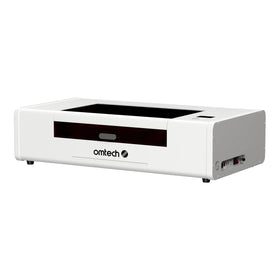








OMTech Aurora vs. xTool Apparel Printer: A DTF Comparison

As demand for custom apparel continues to surge—from local streetwear brands to thriving print-on-demand shops—the choice of a DTF printer can make or break a production setup. Speed, reliability, print quality, and ease of maintenance all influence your time-to-delivery and cost-per-order. However, with numerous new systems entering the market, comparing technical specifications can quickly become overwhelming.
To make things easier, this article breaks down three of the best choices for DTF systems:
-
OMTech Aurora D1
-
OMTech Aurora D1 Pro
-
xTool Apparel Printer
The Aurora series stands out because it gives businesses two clear pathways: a more affordable, beginner-friendly model (D1) and a performance-oriented model (D1 Pro). Meanwhile, xTool offers a single apparel printer with a heavy emphasis on automation.
Below is a closer look at how they compare and which machine best fits your workflow.
Specs Comparison: OMTech Aurora D1 vs D1 Pro vs xTool Apparel Printer
|
Category |
OMTech Aurora D1 |
OMTech Aurora D1 Pro |
xTool Apparel Printer |
|
Price* |
Starting at $2,399 |
$5,599 |
|
|
Dimensions (L×W×H) |
790 × 484 × 313 mm |
905 × 385 × 356 mm |
|
|
Net Weight |
35 kg |
36 kg |
34 kg |
|
Printing Mode |
Roll Film |
Roll Film + Single Sheet |
|
|
Number of Printheads |
1 |
2 |
2 |
|
Printhead Model |
F1080 |
I1600 |
I1600 |
|
Ink Channels |
CMYKWW |
CMYK + WWWW |
CMYK + WWWW |
|
Printing Width |
356 mm (14") |
356 mm (14") |
|
|
Max DPI |
720 × 1440 |
720 × 1800 |
720 × 1800 |
|
Print Speed |
1.02 m²/h (11 ft²/h) |
4.64 m²/h (50 ft²/h) |
4.65 m²/h (50 ft²/h) |
|
Computer Compatibility |
Windows |
Windows & Mac |
|
|
Mobile App |
No |
Yes |
|
|
Self-Cleaning |
Yes |
Yes |
|
|
Automatic Moisturizing |
Yes |
Yes |
|
|
White Ink Circulation |
Yes |
Yes |
|
|
Pre-Heating |
Yes |
Unknown |
|
|
Waste Ink Alarm |
Yes |
Unknown |
|
|
Ink Shortage Alarm |
Yes |
Unknown |
|
|
Suction Platform |
Yes |
Yes |
|
|
Control Panel |
Touch Screen |
Touch Screen |
|
*as of 11/20/25
Printhead and Speed

All three printers use Epson-based printheads; however, the number of printheads and the way ink is handled significantly impact print reliability.
-
Aurora D1:
With a single F1080 printhead, it outputs 11 ft²/h—ideal for startups, beginners, or low-volume custom work. It’s a solid choice for shops printing personalized shirts, small batch orders, or test runs. -
Aurora D1 Pro:
Upgrading to dual I1600 printheads increases speed dramatically to 50 ft²/h. This puts it on equal ground with the xTool Apparel Printer and makes the D1 Pro suitable for growing businesses that need to fulfill large orders quickly. -
xTool Apparel Printer:
Also reaches 50 ft²/h, matching the D1 Pro in speed, suitable for small businesses.
While the Aurora D1 Pro and xTool have similar hardware on paper, OMTech adds several systems that give the Aurora lineup an edge in long-term reliability.
Ink System
Both the D1 Pro and the xTool Apparel Printer offer:
-
Dual printheads
-
720×1800 DPI
-
CMYK + FOUR white channels
This configuration creates smooth gradients, better white density, and crisp edges—important for dark garments and high-contrast designs.
The Aurora D1 still produces excellent results at 720 × 1440 DPI, perfectly fine for most apparel printing, but the D1 Pro’s detail and ink layering are stronger for photorealistic or high-color designs. The white ink used for the Aurora DTF printers provides excellent coverage and opacity, ensuring the substrate underneath doesn’t show through and allowing for vibrant, saturated images.
Ink Priming and Alarms
The Aurora series uses a touchscreen-controlled priming system to automatically draw ink into the printhead, making the printing process much more efficient. Additionally, the machine also has designated alerts for when ink levels are low and waste ink reaches capacity, preventing mid-job failures that waste materials and time.
Ease of Use & Workflow Differences

xTool Apparel Printer
The standout feature of the xTool printer is automation:
-
Auto film cutting
-
Camera-based auto-calibration
-
Camera-based nozzle check
-
Mixed roll and sheet printing
This “press one button and go” approach reduces hands-on steps, but it also means the internal system is more complex, making user troubleshooting more challenging in the long term.
OMTech Aurora D1 & D1 Pro
OMTech focuses on:
-
Better moisture/ink management
-
More reliable white ink circulation
-
Stable heating control
-
Clearer alarms for ink and waste levels
xTool is more automated on paper, but Aurora prioritizes consistency, reliability, and operator control—key advantages for shops that print daily and need fewer mechanical complications.
Maintenance, Reliability, & Support
DTF printers require ongoing care. Features like automatic moisturizing, circulation, and self-cleaning help prevent clogs and downtime.
All three machines include these essentials, but the Aurora lineup offers:
-
More transparent ink/waste monitoring
-
Simpler internal layout
-
Easier long-term maintenance
Experience shows that machines with fewer proprietary automated mechanisms (like auto-cutting and camera systems) typically cost less to maintain over time, and parts are simpler to replace.
Additionally, OMTech’s U.S.-based support network is well-established, thanks to its laser engraver product line—a real advantage for businesses constantly on the grind.
Pricing Strategy & Model Flexibility
One major differentiator is that OMTech offers buyers two distinct options, enabling businesses to choose based on their budget and intended workload. The Aurora D1 offers reliable, high-quality printing at a lower cost, perfect for small businesses, beginners, and entry-level hobbyists. Those looking for faster printing speeds, dual printheads, and high-quality prints should opt for the D1 Pro.
Which Printer Is Best for You?
Choose OMTech Aurora D1 if:
-
You’re new to DTF
-
You want reliability over automation
-
You print custom apparel in small batches
-
You want professional results without a large upfront investment
Choose OMTech Aurora D1 Pro if:
-
You need 50 ft²/h production speeds
-
You want an efficient, manageable machine
-
You print for shops, schools, events, or online stores
-
You’re ready to scale your DTF business
Choose xTool Apparel Printer if:
-
You want a highly automated workflow
-
You prefer a push-button, guided experience
-
You like simplicity over hands-on control or serviceability
Final Thoughts

The xTool Apparel Printer offers convenience and automation, but OMTech’s Aurora series provides something many businesses value even more: choice, durability, and control. With both the D1 and the D1 Pro, users can pick the model that aligns with their stage of growth—without sacrificing print quality or long-term reliability.
If you're ready to upgrade your apparel printing workflow, expand your output, or build a business-ready production system, the OMTech Aurora lineup gives you the scalability and stability to make it happen.
Aurora has been launched on Kickstarter! Secure your Aurora at the lowest price it will EVER be. Don't miss out on these Kickstarter-exclusive savings—Support our campaign before the deals disappear!