











Best DTF Printers for Beginners — What to Look For

Jumping into the world of DTF (Direct-to-Film) printing can be exciting—it unlocks the ability to produce vibrant, full-color prints on t-shirts, hoodies, tote bags, and more. However, with the numerous machines available, it can be overwhelming to determine which specs and features truly matter for someone just starting out.
Here’s a breakdown of what to prioritize in a DTF printer. We’ll show you which features to prioritize for a DTF printer, including machine recommendations, for beginners.
Why DTF Is a Great Entry Point for New Apparel Printers
-
Versatility across fabrics: DTF works not only on cotton, but blends, polyester, and many synthetic fabrics — letting you offer a wide variety of products.
-
No need for complex setups: Unlike screen printing, DTF doesn’t require stencils, screens, or heavy pre-treatment. The print goes onto film, then transfers via heat press.
-
Bright colors, even on dark garments: Because of the white-ink + film method, you can create vivid, bold prints even on dark fabrics — a key advantage over many other printing methods.
-
Lower barrier to entry than DTG or screen printing: For small runs or custom pieces, DTF represents a practical balance of cost, versatility, and quality.
For a beginner, DTF makes a lot of sense — provided you pick a printer with the right combination of ease-of-use, reliability, and print quality.
What Features Should Beginners Prioritize in a DTF Printer
Not all printers are created equal. If you’re new to DTF, these are the most essential features to look for when selecting your first machine:
1. White Ink Circulation & Ink Management
White ink is vital for printing on dark fabrics. However, white ink can settle or clog if not properly circulated. A good beginner DTF printer should have built-in white-ink circulation to keep ink moving and prevent pigment sedimentation.
2. Film & Ink Compatibility & Print Quality
Make sure the printer supports standard DTF film and compatible DTF inks. Additionally, aim for solid resolution and color accuracy — so prints come out crisp, with vibrant colors and good detail.
3. Heating/Curing Functionality (or Workflow for Curing)
Since DTF involves printing on film first, the ink + adhesive needs proper curing before transfer. A good printer setup should make this process straightforward—whether via built-in curing or an easy workflow to a heat press.
4. Ease of Use & Low Maintenance
Beginners often benefit from simple control interfaces, easy maintenance (cleaning nozzles, unclogging, etc.), and overall reliability. A printer with self-cleaning or straightforward upkeep helps avoid frustration and wasted materials.
5. Print Width & Throughput—Enough for Your Needs
If you plan to do small batches or custom one-offs, a compact printer may be fine. If you aim to scale or produce multiple pieces frequently, you’ll want a printer with decent print width and reasonable throughput so jobs don’t take all day.
6. Support, Consumables Access & Reliability
As a beginner, having readily available consumables (ink, film, adhesive powder) and reliable manufacturer support can save a lot of hassle. It’s an underrated but critical factor in long-term success.
What to Watch Out For—Common Pitfalls to Avoid
-
Cheap ink or film: Low-quality inks or films can lead to weak adhesion, faded colors, or frequent clogging.
-
No white-ink circulation: Without it, white ink often settles, leading to inconsistent transfers and clogged heads.
-
Overly narrow print widths: If you want larger designs, a small printer will limit you.
-
No proper curing/heat-press workflow: DTF always needs a way to heat + press after printing—skipping this results in failed transfers.
-
Complex maintenance without clear instructions: For beginners, a high-maintenance printer can quickly become a headache.
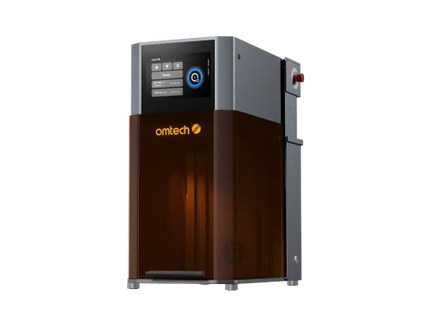
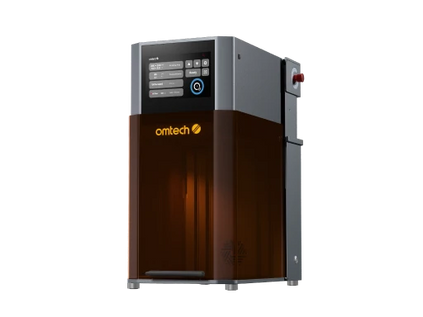
Why the OMTech Aurora Is an Excellent First DTF Printer

If you care about having a beginner-friendly DTF printer that still scales with you as you grow, the OMTech Aurora ticks a lot of boxes:
-
G7 Master Targeted: Vital for vivid, reliable prints even on dark garments.
-
Good Print Width: It can print up to 14 in. which is enough to handle t-shirts, hoodies, bags, and more without limiting design size.
-
Simple Setup: The machine is ready to run once the film roller bracket is installed, getting you up and running faster.
-
Ease of Use: The fully automated process makes printing effortless. After the printer finishes, the powder shaker automatically applies, shakes, and cures the powder, offering seamless, end-to-end simplicity.
-
Intelligence: The system utilizes real-time ink shortage alarms and waste ink full alert for proactive monitoring and machine protection.
-
User-friendly maintenance: Maintenance is minimized with smart features like self-cleaning and moisturizing refill functions which drastically reduce common pain points like clogging or uneven transfers, while the white ink circulation and stirring system ensures consistent white ink flow, reducing failures and maximizing efficiency.
-
Scalability for growing business needs: Whether you’re doing occasional custom orders or expanding to small-batch production.
For beginners, the Aurora offers a balanced entry point: powerful enough to produce professional-looking, durable prints — but accessible enough to get started without unnecessary complexity.
Getting Started: What You’ll Need Beyond the Printer
Buying the printer is only the first step. To get going with DTF printing, you’ll also need:
-
PET transfer film
-
DTF-compatible inks (CMYK + White)
-
Hot-melt adhesive powder
-
A powder shaker or cure oven
-
Heat-press setup
-
RIP software for proper color management and print setup
With those, and a good printer like the Aurora, you’re set up to start producing custom apparel — right away.
Create with OMTech

DTF printing is a fantastic entry point into custom apparel — especially if you want flexibility, vibrant colors, and the ability to print across a wide range of fabrics. For beginners, the ideal DTF printer strikes a balance between ease of use, reliability, and print quality.
If you’re stepping into this world and want a printer that grows with you, OMTech Aurora stands out. It’s beginner-friendly without compromising on the quality or features you’ll need once you scale up.
Whether you’re making custom tees, hoodies, tote bags, or planning to build a small apparel brand, the right printer will help you turn ideas into professional-looking products.