












OMTech vs Glowforge: Which Laser Is Better for Small Business?
If you’re trying to decide between OMTech and Glowforge for a small business, the short answer is this: there isn’t a universally “better” option. There’s a better fit depending on how you plan to run your business.

Some people come into laser engraving thinking it’s just about which machine is more powerful or more popular. In reality, the decision usually comes down to workflow, margins, and how much control you want over your production setup.
Let’s break this down in a practical, business-first way.
The Core Difference: Closed vs Open Ecosystem
The biggest difference between OMTech and Glowforge isn’t just specs — it’s philosophy.
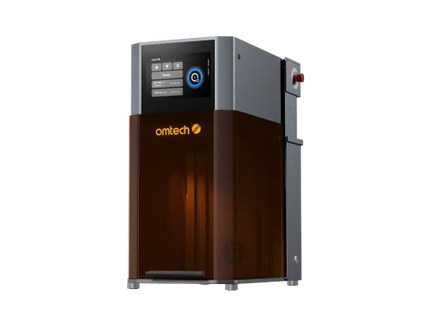
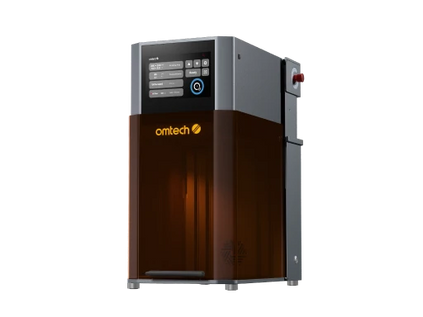
Glowforge is designed as a closed, cloud-based system. You upload designs through a browser, the machine processes them remotely, and everything is streamlined for simplicity. It’s extremely beginner-friendly, but you’re tied to their ecosystem.

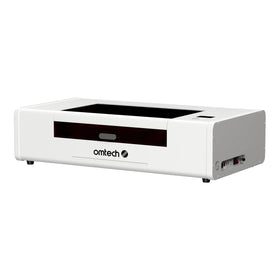
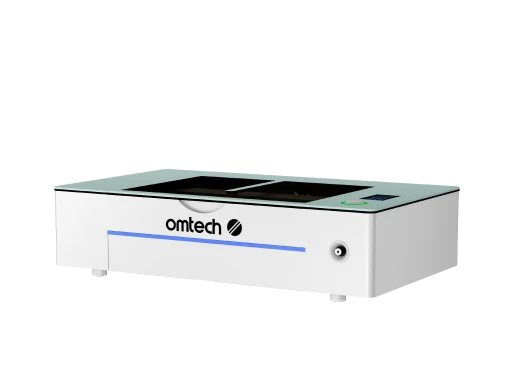
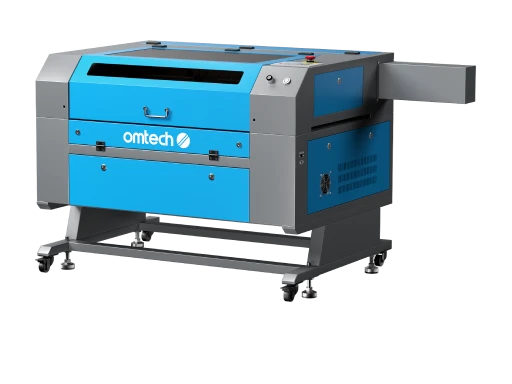
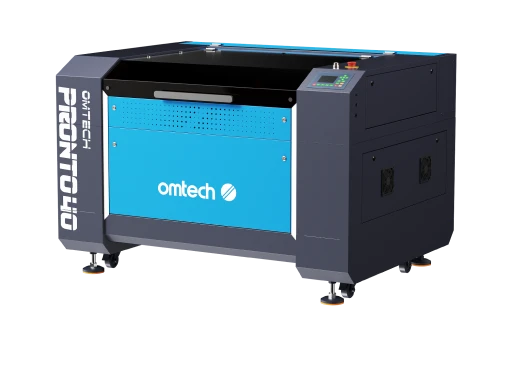
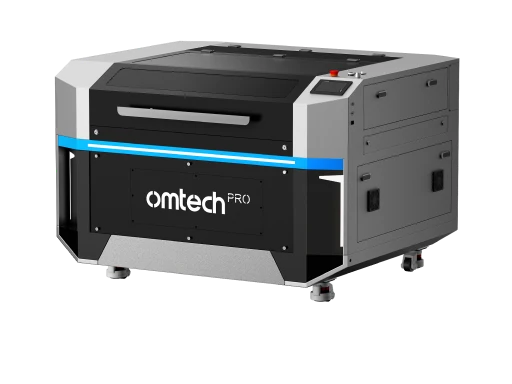
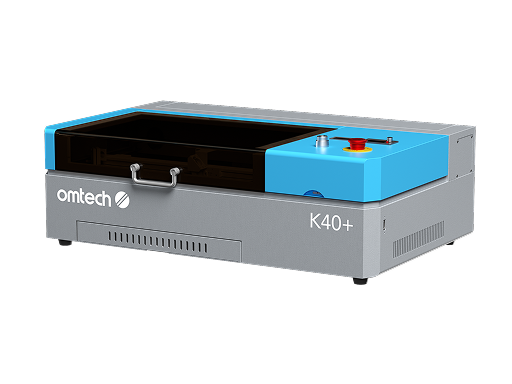
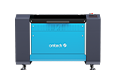
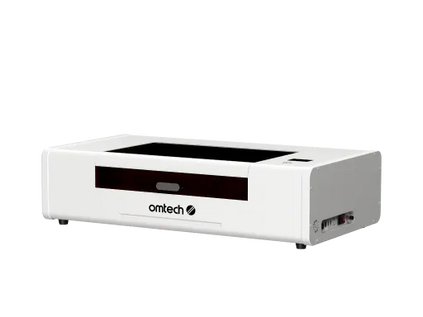
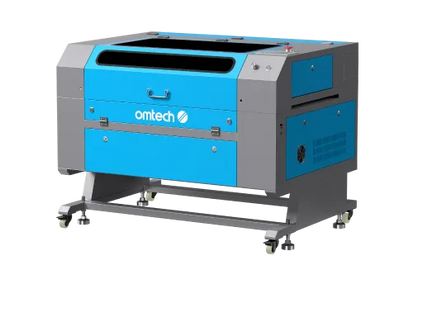
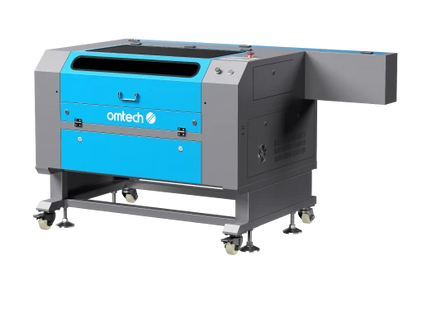
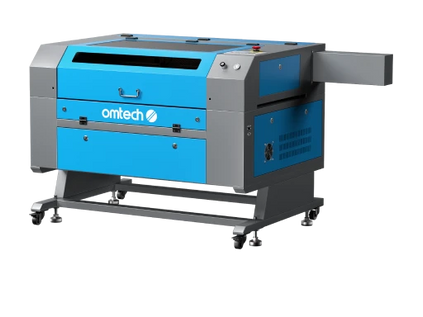
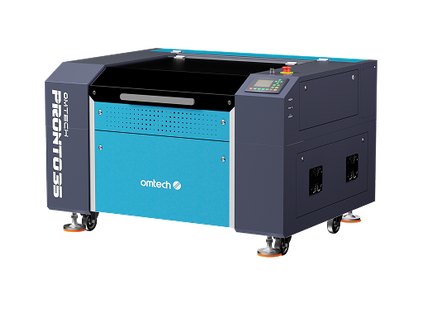
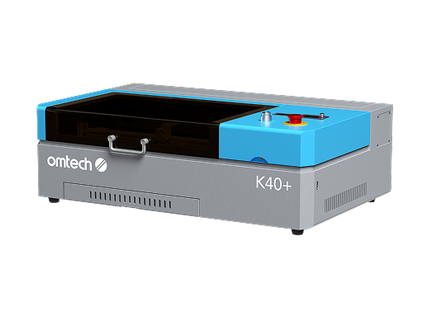
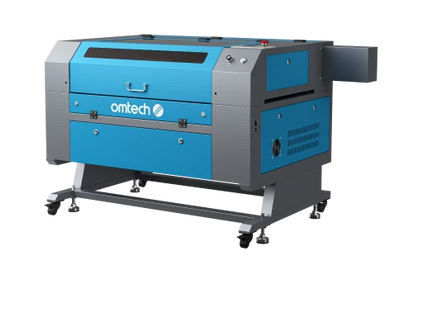
OMTech, on the other hand, is an open system. You use software like LightBurn or RDWorks locally, control your own files, and run jobs without needing an internet connection. That adds a bit of a learning curve — but also a lot more flexibility.
For a hobbyist, Glowforge often feels easier.
For a business, that control from OMTech tends to matter more over time.
Pricing and ROI: Where the Real Difference Shows
This is where things start to diverge significantly.
Glowforge machines typically sit in the $4,000–$7,000+ range, depending on the model. On top of that, many users eventually subscribe to Glowforge Premium for advanced features.
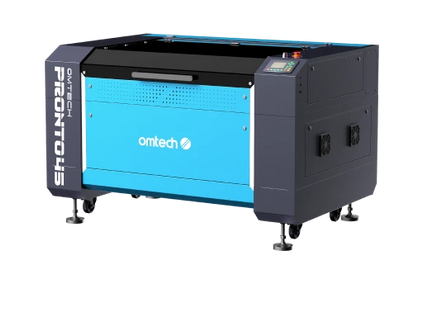
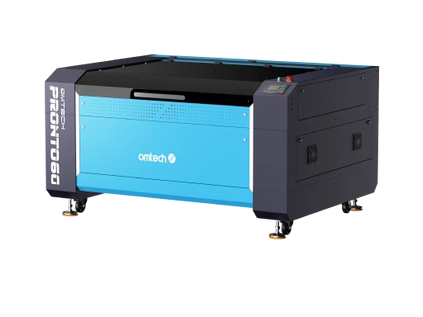
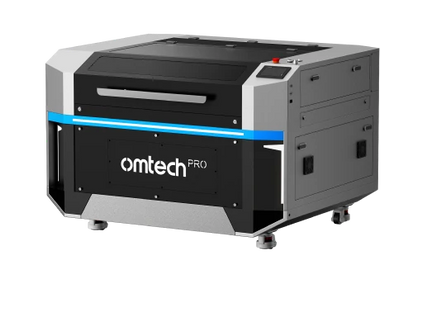
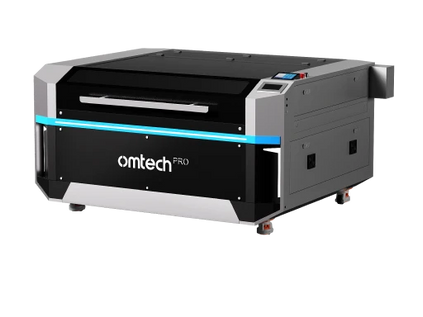
OMTech machines with similar or higher power levels often fall in the $2,000–$4,000 range — sometimes even less.
That gap matters if you're thinking like a business owner.
If you're selling:
- Custom signage
- Wedding products
- Etsy items
- Corporate gifts
Then your machine isn’t just a tool — it’s an investment that needs to pay itself back.
Lower upfront cost + no required subscription = faster ROI.
That’s one of the main reasons many small business owners lean toward OMTech after doing the math.
Speed, Power, and Throughput
When you're running a business, throughput matters more than aesthetics.
Glowforge machines are optimized for ease of use, but they are not the fastest systems in their class. Because they rely on cloud processing, your workflow can slow down depending on internet speed and server response.
OMTech machines, especially in the 50W–80W CO₂ range, generally offer:
- Faster job processing
- Higher cutting speeds
- More consistent batch production
If you're producing 20–50 items per day, that difference becomes very noticeable.
Ease of Use vs Learning Curve
Glowforge wins on simplicity — no question.
You can:
- Unbox it
- Plug it in
- Start engraving within an hour
OMTech requires more setup:
- Software installation
- Parameter learning (speed, power, DPI)
- Basic calibration
That said, the learning curve is front-loaded.
Once you understand the machine, OMTech users often find they can:
- Troubleshoot faster
- Dial in better material settings
- Experiment more freely
In other words, Glowforge is easier at the beginning.
OMTech tends to be more powerful after the first few weeks.
Materials and Business Flexibility
Both machines handle common materials like:
- Wood
- Acrylic
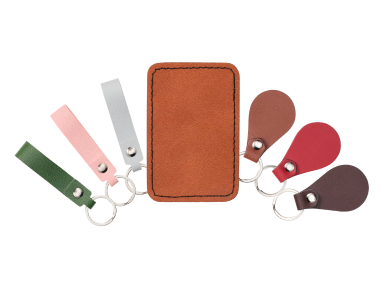
- Leather
- Glass
But OMTech setups are generally more adaptable for:
- Thicker materials
- Custom configurations
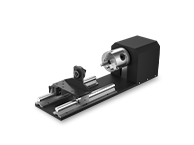
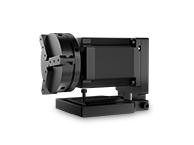
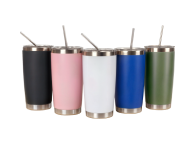
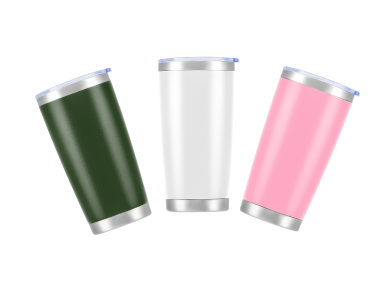
- Rotary attachments (tumblers, bottles)
- Upgrades and modifications
Glowforge keeps things simple — but that also means more limitations.
If your business model might expand (for example, adding new product types), OMTech gives you more room to grow.
Maintenance and Support Reality
Here’s where expectations need to be realistic.
Glowforge:
- Strong customer support
- Minimal user maintenance
- Limited repair flexibility (more “send it in” approach)
OMTech:
- More hands-on maintenance
- Strong community support (forums, YouTube, Reddit)
- Easier to repair and replace parts yourself
This is an important mindset difference:
Glowforge = “appliance”
OMTech = “tool”
If you’re comfortable treating your machine like equipment instead of a plug-and-play device, OMTech becomes a lot more appealing.
Real-World Small Business Scenarios
Let’s make this concrete.
If your business is:
- Etsy shop (low volume, custom items)
- Side hustle
- Design-first, minimal production
Glowforge can be a great fit.
If your business is:
- Production-focused
- Scaling to bulk orders
- Selling to schools, corporate clients, or events
OMTech usually makes more financial sense.
Side-by-Side Comparison
Here’s a clearer breakdown:
|
Feature |
OMTech |
Glowforge |
|
Price |
Lower ($2K–$4K typical) |
Higher ($4K–$7K+) |
|
Software |
LightBurn / local control |
Cloud-based |
|
Internet Required |
No |
Yes |
|
Ease of Use |
Moderate learning curve |
Very beginner-friendly |
|
Speed / Throughput |
Faster for batch work |
Slower in production |
|
Material Flexibility |
High |
Moderate |
|
Maintenance |
DIY-friendly |
Limited user repair |
|
Scalability |
Strong |
Limited |
|
Subscription |
None required |
Optional (Premium) |
If you strip away the marketing, the decision comes down to this:
- Choose Glowforge if you want the easiest possible start and don’t mind paying for convenience.
- Choose OMTech if you’re building a business and want better margins, higher output, and long-term flexibility.
There’s no wrong choice — but there is a smarter choice depending on your goals.
Most people who treat laser engraving as a serious business eventually prioritize:
- Cost efficiency
- Production speed
- Control over workflow
And that’s where OMTech tends to stand out.
So which one is actually better for a small business?
If you’re just starting out, testing ideas, or prioritising ease of use above all else, Glowforge is a strong entry point. It gets you from idea to product quickly, with minimal technical friction.
But if you’re serious about building a scalable operation—where margins, speed, and flexibility matter—OMTech is usually the better long-term investment. It asks more from you upfront, but it gives you far more control in return.
In practice, many small business owners actually follow a predictable path: they start with something like Glowforge, learn the basics, and eventually move to a more powerful and flexible system like OMTech once production demands increase.
That transition tells you everything you need to know.