














I Didn't Expect Diode Laser Engravers to Improve This Much
A few years back, diode lasers were what you bought when you couldn't afford anything better. Small. Slow. Fine for burning a pattern into soft pine. Not much else.
That reputation stuck around longer than it deserved to. Because the machines that come out now are genuinely different. Higher wattage. Better beam quality. Actual usable speeds. Some of them cut thin wood cleanly. Some mark coated metal without a marking spray.
If you dismissed diode engravers a while ago, it might be worth a second look.

What a Diode Laser Engraver Actually Is
The basic tech: a semiconductor chip generates the laser beam directly. No gas tube. No fiber optic cable. Just a small solid-state component that takes power in and puts laser light out.
That simplicity is the whole appeal. Compact machines. Lower cost. No water cooling needed. You can set one up on a workbench in twenty minutes.
The tradeoff used to be power. Early diode machines topped out around 5W to 10W optical output. Fine for engraving photos into balsa wood. Not fine for much else. But the wattage numbers on current diode engravers are in a different range now. 20W, 33W, 40W optical output. That changes what these machines can do.

What Diode Does Well: Wood and Soft Materials
A diode laser engraver for wood is where these machines have always made sense, and they've only gotten better at it.
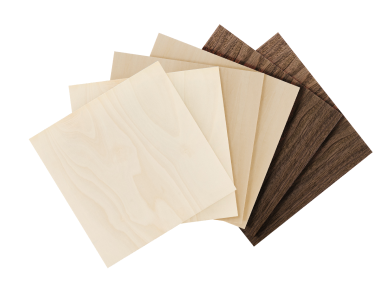
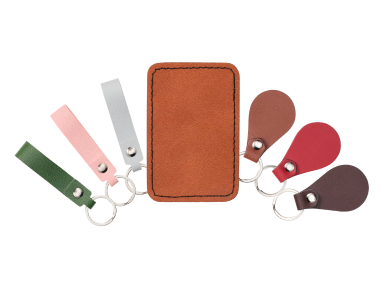
Plywood, pine, MDF, bamboo, cork. A 20W diode cuts thin craft wood in one pass. Burns photo engravings into maple cleanly. Marks leather with sharp edges. Cuts fabric without fraying.
The beam focus on modern diode machines is tighter than it used to be. That matters for fine detail. Small text. Photograph-style shading. The older wide-beam diodes blurred fine lines. Newer machines focus down to a much smaller spot size, which improves resolution noticeably.
For someone making wooden gifts, custom boxes, personalized cutting boards, or craft items to sell, a diode machine at the right wattage handles the work without the cost or space of a CO2 setup.
Diode Laser Engraver vs CO2: Honest Comparison
This question comes up constantly. The short answer: CO2 is more capable, but diode is more accessible.
CO2 lasers run at 10,600nm wavelength. They cut acrylic beautifully. They handle thicker wood faster. They work on glass with the right settings. If you need to cut 1/4 inch acrylic cleanly or engrave glass, CO2 is the right call.
Diode lasers run at visible wavelengths, typically around 450nm. That's actually better for some materials. Darker woods absorb the beam really well. Leather burns crisply. But diode doesn't cut acrylic worth a damn. The beam passes right through clear acrylic. It also struggles with anything reflective.
So the real comparison depends on what you make. Wood, leather, dark materials? Diode works. Acrylic, glass, thicker stock? CO2 wins. If you do both regularly, you're looking at two different machines. Or one dual-laser machine that runs both.
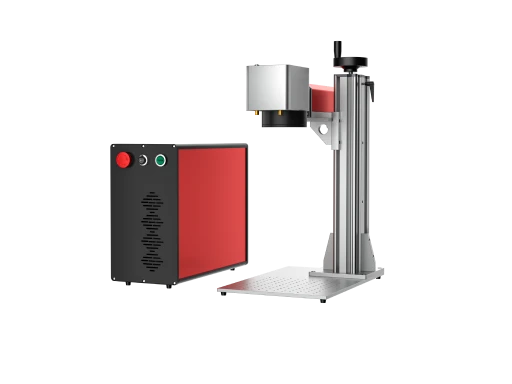
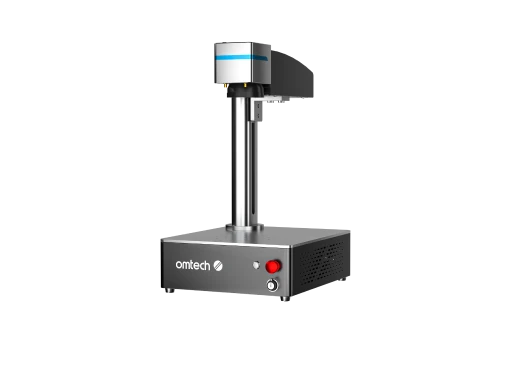
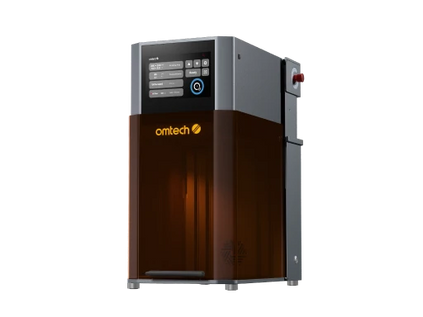
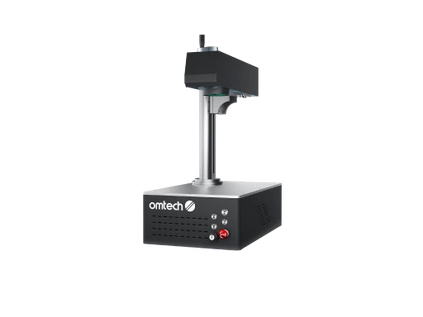
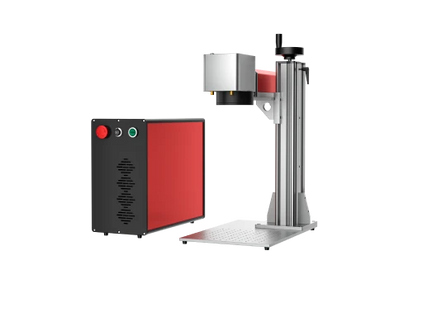
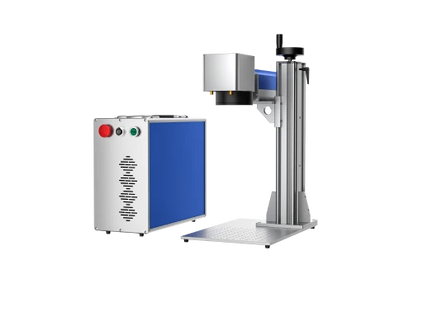
OMTech's Solis Duo 50W Fiber 40W Diode Dual Laser Engraver is built around exactly that problem. It runs a 50W fiber laser and a 40W diode laser in the same machine. Metal marking with the fiber side. Wood and leather with the diode side. One machine. Different jobs. That's a practical solution if your material list is mixed.
There's also the Solis Duo 30W Fiber 20W Diode Dual Laser Engraver for a lower-wattage option with the same dual-source concept.

Can a Diode Laser Engrave Metal?
Depends on what you mean by "engrave."
Bare metal is hard. Most diode lasers reflect off polished steel or aluminum. The beam doesn't get absorbed well. You'll get weak or no mark.
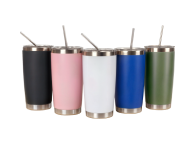
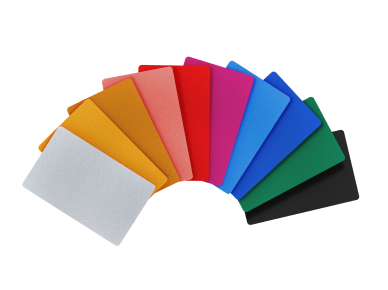
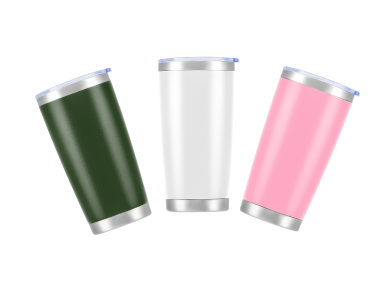
Coated metal is different. Anodized aluminum, painted surfaces, powder-coated items. Diode does okay on these. The coating absorbs the beam and burns off cleanly to reveal the metal underneath. So on something like a black anodized aluminum card or a powder-coated tumbler, a 20W+ diode can leave a visible mark.
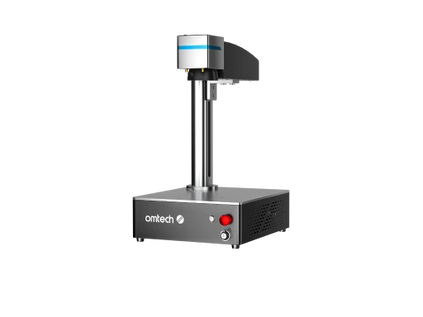
For serious metal marking, though, fiber is the right answer. Fiber laser wavelength hits bare metal surfaces efficiently. Stainless, aluminum, brass. Permanent marks with no coating required.
If metal is a regular part of your work, the fiber side of a dual machine makes more sense than trying to push a diode into jobs it wasn't built for.
20W vs 40W Diode: Does the Wattage Gap Matter?
Yes. But maybe not the way you'd expect.
A 40W diode doesn't engrave twice as deep as a 20W. The relationship between wattage and engraving depth isn't that simple. What more watts actually gives you is speed and cutting ability.
At 20W, you can cut 3mm plywood in one pass at moderate speed. At 40W, you cut faster, or cut thicker material, or get more consistent results through knots and grain variations in the wood.
For engraving photos or logos, even 10W is often enough if you slow the machine down. Detail quality is more about focus and resolution than raw wattage.
The practical answer: 20W is a solid starting point for most wood and leather work. 40W makes sense if you cut thick materials regularly, want faster job times, or plan to work with denser wood. According to Wikipedia's overview of laser engraving, engraving depth and quality depend on a combination of power, spot size, and material absorption — not just watts alone.
Affordable Diode Laser Engraver: What That Actually Means in 2026
The price-to-capability ratio on diode machines shifted a lot. A few years ago, a capable diode setup cost as much as a low-end CO2. Now you can get 20W optical output with autofocus, decent software compatibility, and a usable work area for much less than a comparable CO2 machine.
That makes diode legitimately worth considering for beginners who want to try laser work without a major investment. Or for shops that already have a CO2 and want a smaller, faster machine for secondary jobs.
The tradeoff is still real. Diode doesn't replace CO2 for acrylic or glass. But for the right use cases, it's a practical and affordable entry point.
When You Should Step Up to CO2 or Fiber Instead
Diode has real limits. Know them before you buy.
Step up to CO2 if you:
Cut or engrave acrylic regularly
Work with glass
Need to cut wood thicker than 6mm consistently
Run a production volume that needs faster cycle times
Step up to fiber if you:
Mark bare metal (stainless, aluminum, brass)
Need permanent traceability marks on parts
Do jewelry work on metal
Browse OMTech's CO2 laser machines collection if you work mostly with non-metal soft materials at production volume. Or the fiber laser machines collection if metal marking is the primary job.
FAQs
What is a diode laser engraver good for?
Wood, leather, cork, fabric, dark anodized metal, bamboo, and soft materials in general. It's not great for clear acrylic or bare polished metal.
Diode laser engraver vs CO2: which should I choose?
CO2 if you need to cut acrylic or work with glass. Diode if you mostly do wood and leather and want a more affordable, compact setup. If you need both, a dual-source machine covers it.
Can a 20W diode laser engrave metal?
On coated surfaces like anodized aluminum or powder-coated items, yes. On bare polished metal, results are poor. A fiber laser handles bare metal much better.
Which is better, a 20W or 40W diode laser?
40W gives faster cutting and handles thicker wood more consistently. 20W is enough for most engraving and thin material cutting. Choose based on your typical jobs, not just the spec number.
How long does a diode laser last?
Diode laser sources are generally rated for 10,000 hours or more. Actual lifespan depends on how hard you push the power and how well you manage heat during operation.
What's the best diode laser engraver in 2026?
Depends on what you're making. For mixed metal and wood work, the OMTech Solis Duo series runs both fiber and diode in one frame. For wood-only work, a standalone 20W or 40W diode machine covers most needs.