







How to Start a T-Shirt Printing Business From Home

Starting a t-shirt printing company often begins with something simple: a creative idea, a message you want to share, or the desire to build a business you can run on your own terms. Maybe you’ve sketched out designs for years, or maybe you’ve noticed people asking where your custom shirts come from. Whatever the spark, turning that inspiration into a real business is completely within reach — even from home — with the right plan, tools, and workflow.
But a great idea alone isn’t enough. Successful t-shirt brands are built on thoughtful niche selection, smart pricing, efficient production, and a process that can grow with demand. This guide walks you through those steps one by one, combining practical startup essentials with real-world insights from entrepreneurs who have built apparel businesses from scratch. By the end, you’ll know exactly how to structure your workflow, avoid common missteps, and launch a t-shirt business designed for long-term success.
1. Begin with Market Research & Niche Selection
Before you order blanks or print a single shirt, spend time understanding the market.
-
Use tools like Google Trends, Etsy research, or browse social media hashtags to spot niches that resonate.
-
Analyze what’s already selling in those spaces. What designs are trending? What blanks are popular?
-
Decide who your ideal customer is and what tone they'll respond to. A well-chosen niche helps you stand out instead of blending into a sea of generic tees.
Start by taking on orders for small or local businesses; this way, you’ll gain confidence and valuable experience in networking, production, and more. Starting small not only lowers risk—it builds trust, knowledge, and a portfolio.
2. Choose Your Business Model

Once you’ve done the research, you’ll need to weigh the pros and cons of starting a business. The idea is to start quickly without investing too much initially. Consider these variables:
Variable 1: Barrier to Entry (Startup Cost)
List everything required to begin printing shirts:
-
Printer (DTF, screen printing, or DTG)
-
Heat press
-
Blanks
-
Packaging
-
Workspace setup
Total the cost. If the number is achievable without fundraising, that’s a good sign. Most beginners launch apparel brands for $1,000–$5,000, depending on the equipment they choose.
The point? Pick a setup you can afford so you can launch quickly—ideally, without relying on loans.
Variable 2: Skills Required
A t-shirt company doesn’t require expert-level talent to begin, but you do need baseline competence in:
-
Basic design (or hiring designers)
-
Operating a printer
-
Light heat-pressing
-
Customer communication
-
Order fulfillment
You don’t need to know everything to have a successful business. If you lack a skill, ask: Can I learn it fast, or should I outsource it?
Variable 3: Time to Operational Readiness
A common mistake is picking a business that takes months to prepare. A t-shirt business can be fully operational in 1–3 weeks.
Questions to assess readiness:
-
How long will it take to receive the equipment?
-
Can you set up a workspace in days, not months?
-
Can you produce a sellable shirt within a week?
Momentum matters early on. Seeing orders come in—even small ones—keeps motivation alive.
3. Build the Foundation: Branding, Designs & Setup
Once you’ve chosen printing equipment and assessed readiness, start building the customer-facing side:
Brand Identity
Define:
-
A name that fits your niche
-
A simple visual style
-
Core messaging or themes
You don’t need perfection—just clarity. You don’t have to feel fully ready because at the end of the day, progress beats perfection.
Professional Website and Google Listing
Once you have your name, you’ll need a website. Don’t build your website unless you have experience; there are plenty of options available that can provide quick and efficient results. You can:
-
Hire a low-cost web developer or use a simple template
-
Set up a Google Business Profile if you also want local customers
-
Add clean product photos and clear pricing
For many t-shirt businesses, Etsy or Shopify are the fastest and most efficient starting points.
4. Launch, Promote, & Test—Start Small, Scale Smart
Start Small
-
Begin with limited runs (10–25 pieces) using a few of your best designs.
-
Sell to friends, local groups, niche communities, or small local businesses first
Promote Smart
-
Utilize social media and niche groups—target the platforms where your ideal customers are most active.
-
Engage with hashtags, stories, behind-the-scenes posts. Authenticity resonates.
-
Ask early customers for reviews, photos, and referrals. These boost social proof.
-
Reinvest a portion of profits into better blanks, improved equipment, or marketing to scale gradually.
Iterate & Expand
-
Track what sells—note designs, colors, sizes, margins, marketing channels.
-
Use best-sellers to build “core collections,” and rotate seasonal or limited designs to keep your store fresh.
-
Expand slowly—maybe add hoodies, long sleeves, or experiment with different printing techniques (e.g., DTF, DTG, screen printing) as you grow.
5. Drive Leads With Proven Marketing Tools

Printing shirts is the easy part—getting customers is where many new businesses stall. Here’s the “toolkit” recommended by experienced operators:
Google PPC (Highly Recommended)
For local or niche-based shirts, Google ads can start generating purchases quickly. Consider testing a small budget and tracking cost per acquisition vs. profit per order.
Social Media Ads
Run ads only if your target audience spends time on platforms like Facebook, TikTok, or Instagram. Strong visuals and short videos perform well.
Freelance Platforms
If you need help with ads, design, or SEO:
-
Post a job listing on Upwork or other freelance websites.
-
Choose the best fit—not the cheapest.
This prevents getting stuck doing everything yourself and accelerates the process.
Old-School, High-ROI Tactics
Sometimes, tried-and-true low-cost marketing methods are the most effective. This could be:
-
Flyers at events
-
School or team sponsorships
-
Partnerships with local businesses
The key is testing different channels and doubling down on what works.
6. Why the Right Printer Matters

When you run a t-shirt business from home, your printer has a direct impact on consistency, efficiency, and customer trust. Unreliable equipment leads to wasted blanks, uneven prints, and delayed orders—all of which cut into profit and credibility. A dependable DTF printer delivers consistent results across various fabrics and colors, enabling you to maintain quality standards without ongoing troubleshooting.
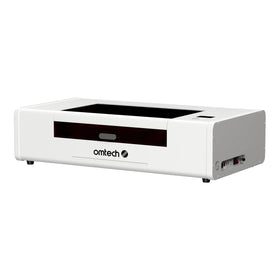
When you’re ready to run production in-house, having the right printing technology matters. OMTech’s DTF printers stand out because they combine:
-
Reliable white ink coverage and color vibrancy
-
Productivity and consistency that scale with volume
-
Easier maintenance and fewer print failures than manual screen setups
-
Flexibility for custom orders, small batches, and rapid turnarounds
Whether you’re printing a few tees a week or fulfilling bulk orders, the OMTech Aurora DTF printer gives you control, quality, and profit margin — without having to worry about outsourcing or compromises.
Final Thoughts
Starting a t-shirt printing business at home isn’t just possible—it’s one of the most flexible, creative, and scalable ways to build a brand from your kitchen table or garage.
With careful niche selection, smart pricing, consistent workflow, and the right equipment, you can turn your designs into a real source of income. And by learning early to focus on systems instead of hype, you’ll build something sustainable rather than temporarily flashy.
If you’re ready to take the next step, consider investing in an OMTech DTF printer. With determination and the right tools—like a dependable OMTech DTF printer—you can turn your creative ideas into a sustainable apparel business from home.