












How to Create Personalized Custom Engraved Awards With a Laser Engraver

I made my first custom award in 2021 — a small walnut plaque for my business partner's five-year anniversary. I'd had a CO2 laser for about three months at that point, mostly using it for product prototyping. The plaque took 40 minutes start to finish. He still has it on his desk. That was the moment I realized award production wasn't a specialty niche; it was a genuinely profitable application that almost any laser operator can build into their business.
Custom engraved awards are one of the most consistent revenue sources for laser operators across the US. Corporate HR teams, sports leagues, school principals, nonprofit directors — they all need awards multiple times a year, and they almost always need them personalized.
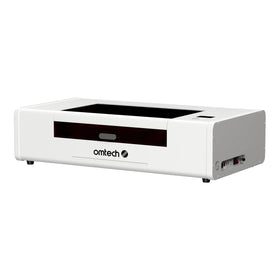
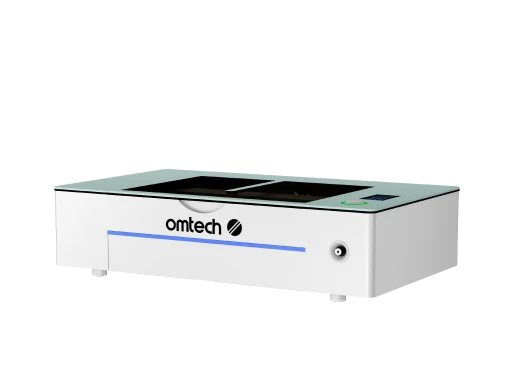
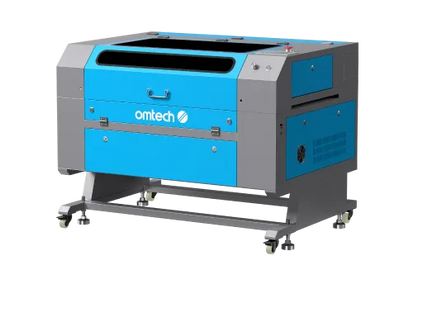
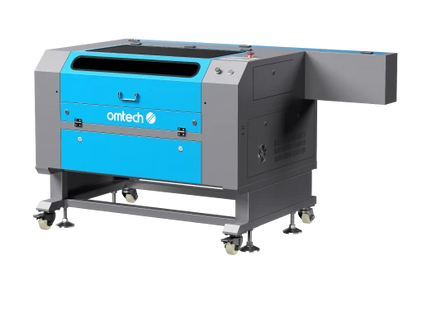
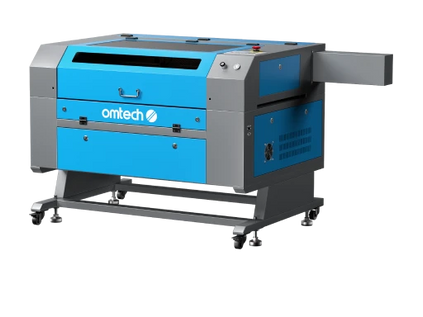
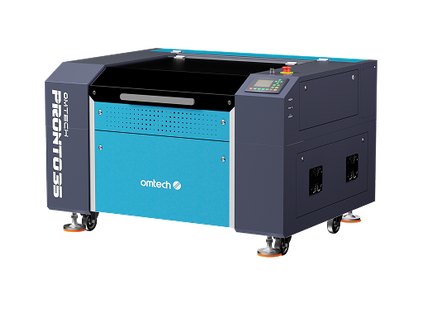
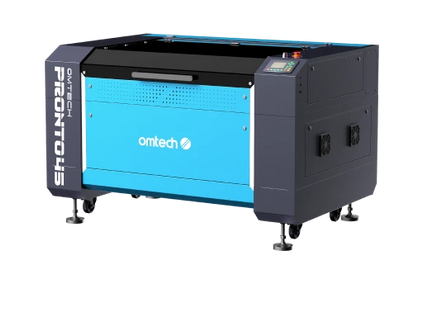
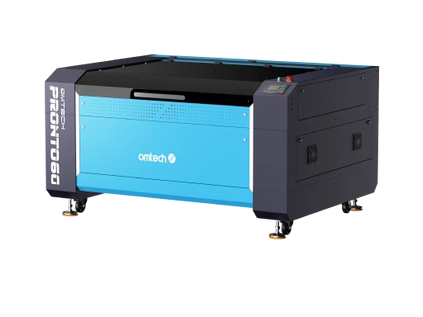
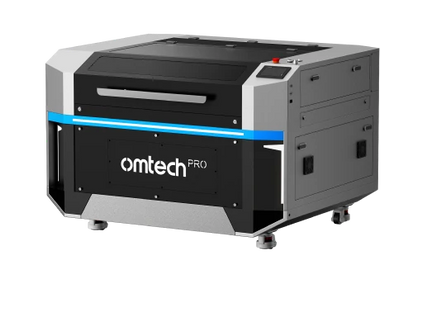
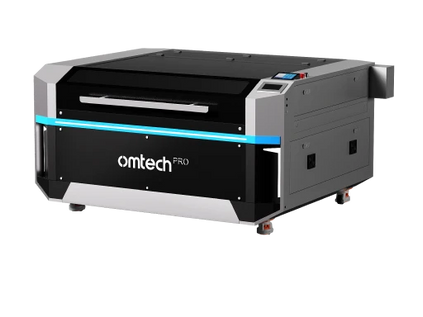
This guide covers how to produce custom engraved awards from scratch: which materials work best, which laser type handles each award style, how to price your work, and which OMTech machines are already being used in award production businesses today. OMTech's CO2 laser engraver machines handle the majority of award materials — wood, acrylic, glass, slate, and coated metals — while fiber lasers cover direct metal marking for industrial and high-end applications.
Why Laser Engraving Is the Standard for Custom Award Production

According to the laser engraving overview on Wikipedia, laser engraving uses a focused beam to vaporize or ablate material, leaving a permanent, precise mark. For award production specifically, this translates to clean edges on logos, legible text at any size, and consistent quality across batch orders of 10, 50, or 500 pieces.
Before desktop laser systems became accessible, most award shops outsourced engraving or relied on rotary engravers that required custom tooling for each font and size. A CO2 laser changes that entirely — you design in software, set your parameters, and the machine handles precision and repeatability without additional tooling costs.
🏆 REAL BUSINESS EXAMPLEMarcus, who runs a custom awards shop in Austin, Texas, started with a single 60W CO2 laser and one client: a local youth soccer league that needed engraved trophies for end-of-season awards. That first order was 40 pieces. By year two, he had three corporate clients running quarterly employee recognition programs. His machine runs six days a week. He now produces over 2,000 custom award pieces annually and recently added a fiber laser specifically for direct metal marking on executive recognition plaques. |
Award Materials: What You Can Engrave and What Works Best

The material determines the machine type, the engraving technique, and the final look of the award. OMTech's laser engraving materials collection covers the most commonly used award surfaces. Here's a practical breakdown:
|
MATERIAL |
AWARD TYPES |
LASER TYPE |
ENGRAVING RESULT |
PRICE POINT |
|
Walnut / Hardwood |
Plaques, service awards, retirement |
CO2 |
Deep brown contrast, classic finish |
Medium |
|
Acrylic (clear) |
Modern corporate, achievement |
CO2 |
Frosted white on clear — high contrast |
Low–Medium |
|
Slate |
Commemorative, home, rustic |
CO2 |
Bright white on dark grey |
Low |
|
Glass / Crystal |
Executive, premium, prestige |
CO2 |
Frosty etch — elegant & subtle |
Medium–High |
|
Coated Aluminum |
Industrial ID, military, sports medals |
CO2 or Fiber |
High-contrast color removal |
Medium |
|
Stainless Steel |
Executive plaques, industrial awards |
Fiber |
Permanent dark mark, no coating needed |
Medium–High |
|
Anodized Aluminum |
Color awards, sports medals, trophies |
MOPA Fiber |
Multi-color engraving on metal |
High |
⚠️ TECHNICAL NOTE ON CRYSTAL AND GLASSStandard glass and crystal awards use CO2 laser engraving, which creates a frosted surface texture. For 3D subsurface engraving inside crystal — where the mark appears to float inside the block — you need a specialized subsurface laser system. Most custom award shops producing standard plaques and recognition pieces run CO2 machines for 80% or more of their material range. |
Types of Custom Engraved Awards You Can Produce In-House

Award production breaks into several product categories. Each has different design requirements, material choices, and price points. Building a business around two or three core award types — rather than trying to do everything — is how most successful laser award shops operate.
🪵 Engraved Wood PlaquesMaterial: Walnut, cherry, MDF Best For: Corporate, employee recognition, retirement Wood plaques are the most requested award type in corporate HR programs. A standard 8" x 10" walnut plaque with a company logo and recipient name engraved takes roughly 12–18 minutes on a 60W CO2 machine. Batch orders of 20–50 plaques are common for quarterly recognition programs. The contrast between the dark walnut grain and the lighter engraved mark produces a classic, professional finish that photographs well for internal announcements. |
✨ Clear Acrylic AwardsMaterial: Clear acrylic 5mm–10mm Best For: Modern corporate, sales achievement, team awards Acrylic awards have grown significantly in corporate settings over the past decade. The frosted white engraving contrasts beautifully against clear acrylic, and the material allows for custom shapes cut directly by the laser. A custom-cut acrylic award with an engraved logo, recipient name, and award text can be produced in under 30 minutes per piece. Acrylic is also significantly lighter than glass, which matters for shipping in bulk. |
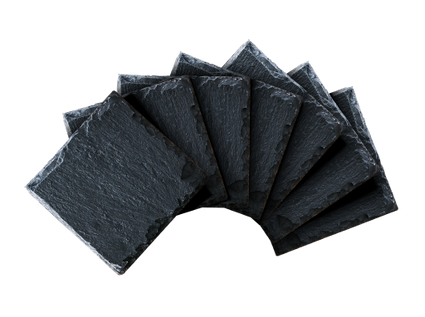
🔲 Slate Commemorative PlaquesMaterial: Natural slate tile Best For: Retirement, community recognition, home decor Slate engraves with exceptional contrast — the natural dark grey surface produces a brilliant white mark without any coating. It's one of the most forgiving materials for beginners. A 6" x 6" slate plaque with a retirement message and name engraves in under 10 minutes on a 40W machine. Slate is particularly popular for retirement gifts, pet memorials, and personalized home decor awards that recipients actually display in their homes rather than storing in a drawer. |
🥈 Metal Recognition AwardsMaterial: Coated aluminum, stainless steel Best For: Industrial, military, high-end executive For awards that need to last decades without fading, metal is the material of choice. Coated aluminum allows CO2 laser engraving with high-contrast color removal. Bare stainless steel and titanium require a fiber laser for direct marking. These awards carry a significantly higher perceived value — and higher price point — than wood or acrylic pieces, making them the preferred choice for executive recognition, military service awards, and long-term employee milestone programs. |
Three Engraving Techniques Every Award Maker Should Know

1. Surface Engraving (CO2 — Most Common)
The laser removes the top layer of the material to expose the lighter substrate beneath. This is the standard technique for wood, acrylic, slate, glass, and coated metals. It produces clean, permanent marks that work well for text, logos, and graphic elements.
2. Direct Metal Marking (Fiber Laser)
A fiber laser engraving machine marks bare metal without removing material — the laser alters the metal's surface structure through heat, creating a permanent dark mark. This is the preferred method for stainless steel executive awards, aluminum service plaques, and any award where the metal itself is the award body rather than a coated surface.
3. Color Engraving on Metal (MOPA Fiber)
For awards requiring multiple colors on metal — color-coded recognition tiers, branded award programs with specific Pantone colors, or decorative metal trophies — MOPA fiber laser engraving machines achieve this by controlling pulse duration to produce different oxidation colors on anodized aluminum and certain metals. This technique is increasingly used by award companies producing premium recognition programs for sports organizations and consumer brands.
|
TECHNIQUE |
MACHINE TYPE |
MATERIAL |
TYPICAL AWARD APPLICATION |
|
Surface engraving |
CO2 (40W–100W) |
Wood, acrylic, slate, glass |
Plaques, service awards, recognition pieces |
|
Direct metal marking |
Fiber (20W–50W) |
Steel, aluminum, brass, titanium |
Executive awards, industrial ID, military |
|
Color engraving |
MOPA Fiber (60W+) |
Anodized aluminum |
Premium corporate, branded award programs |
|
Deep relief engraving |
CO2 (60W+) multi-pass |
Hardwood, MDF, thick acrylic |
Prestige plaques, commemorative pieces |
OMTech Machines Used in Award Production
Here are three OMTech machines that award businesses run in production environments, matched to different award types and volume levels:
|
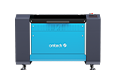
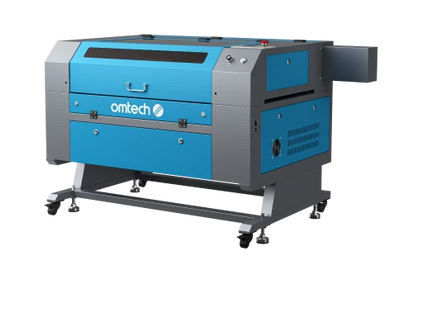
AF2028-60 60W CO2 — Wood & Acrylic Awards • High Volume The 20" × 28" bed handles full sheets of acrylic and large walnut plaque blanks without reconfiguration. At 600 mm/s, it processes batch orders of 20–50 plaques per session without a backlog. Camera preview and LightBurn integration make it easy to align logos and text precisely on pre-cut award blanks. This is the workhorse machine for award shops focused on corporate plaque programs and recognition events. |
|
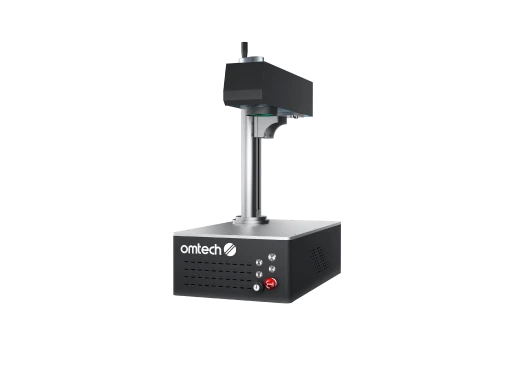
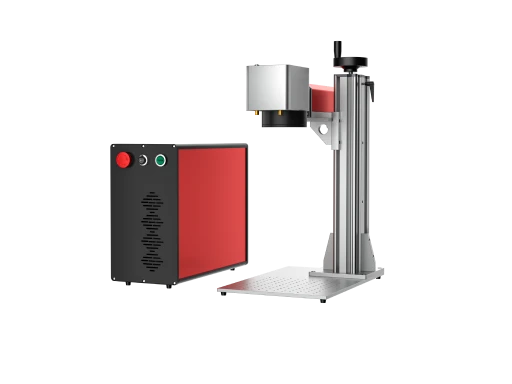
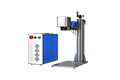
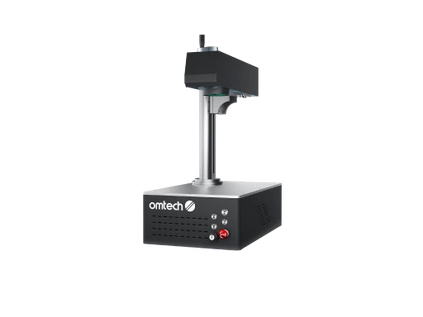
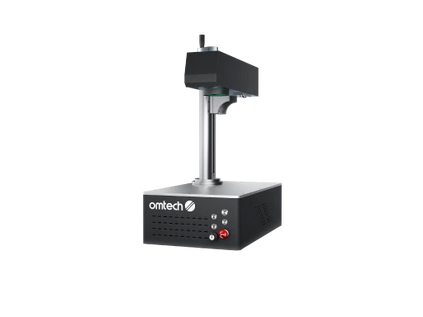
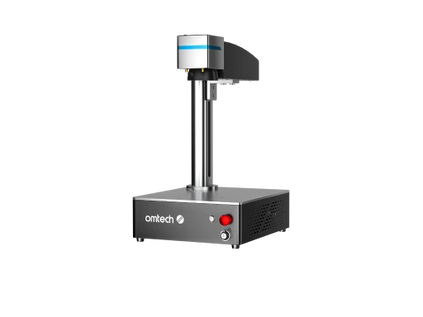
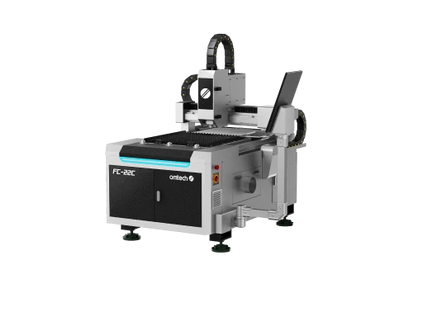
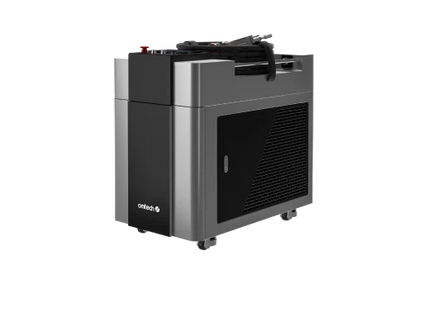
Galvo Fiber 20/30/50W — Metal Awards • Executive Recognition The galvo system marks at up to 10,000 mm/s with 0.01mm accuracy — essential for engraving fine logos and small text on metal awards where legibility matters. The compact footprint fits on a production bench next to a CO2 machine, giving an award shop both material types in the same workspace. Used by award businesses producing stainless steel executive plaques, aluminum service medals, and custom metal trophies. |
|
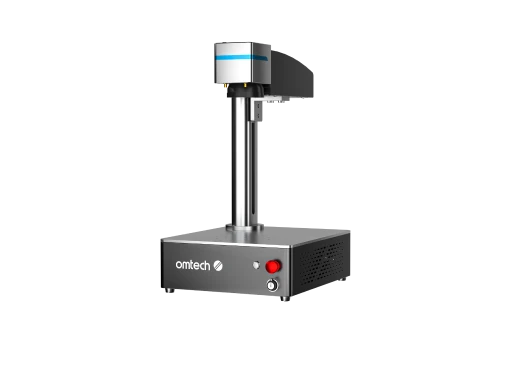
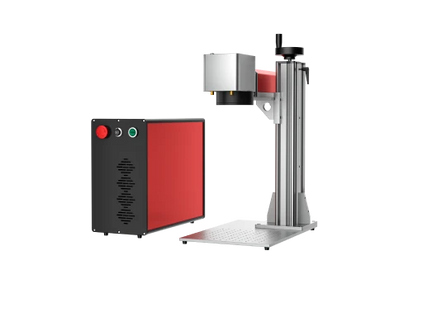
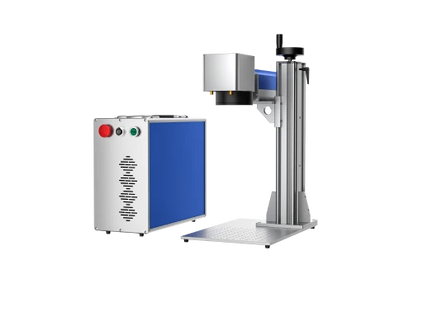
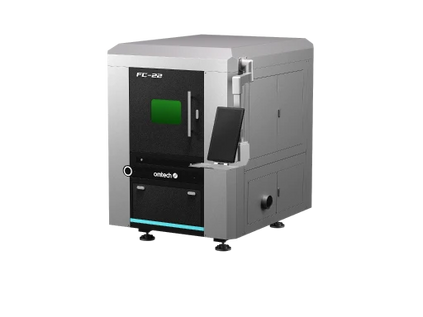
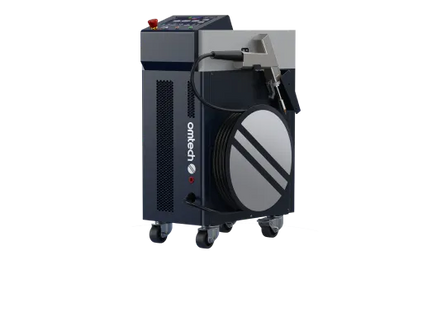
MOPA 60 60W Integrated Fiber — Color Metal Awards • Premium Programs The MOPA pulse control system produces color engraving on anodized aluminum — the technique used for multi-tier award programs where different recognition levels use different colors. Award companies producing branded corporate recognition systems, sports championship medals with color coding, or decorative metal trophies for consumer brands run MOPA fiber machines for this specific capability. |
How to Set Up an Award Production Workflow
The difference between an award shop that runs smoothly and one that constantly hits delays is almost always workflow design, not machine capability. Here's the production sequence that most successful award businesses use:
-
Build a customer intake form — Capture recipient name, award text, company logo (vector file preferred), award occasion, and delivery date before touching LightBurn
-
Prepare your design file — Set up a master LightBurn template for each award type — plaque sizes, font standards, logo placement zones — so every new order fills an existing template rather than starting from scratch
-
Run a test engrave — Always engrave on scrap material first when working with a new customer's logo or an unfamiliar material batch. Two minutes of testing prevents a ruined blank.
-
Batch by material — Group all walnut plaques together, all acrylic pieces together, all slate together. Switching materials mid-session wastes time on power and speed recalibration.
-
Quality check before packaging — Verify text accuracy, logo legibility, and surface quality against the customer proof before wrapping. Award recipients and corporate HR managers notice errors immediately.
-
Log your settings — Keep a material settings log (power, speed, passes) for every material and thickness combination you've run. This is the most valuable operational asset an award shop builds over time.
💰 REAL BUSINESS EXAMPLE — AWARD PRICINGJennifer runs a home-based award production business in Ohio using a 60W CO2 machine and a 30W fiber laser. Her pricing structure: standard 8" x 10" walnut plaque at $65, clear acrylic corporate award at $55, slate commemorative plaque at $45, stainless steel executive recognition piece at $120+. Her material cost per piece averages $8–15. The laser engraving materials she orders in bulk keep her margins above 70% on most award types. She runs the business part-time, producing 30–60 pieces per month, and turns down no more than one order per quarter due to capacity. |
Ready to start your award production business? |
Frequently Asked Questions
What are custom engraved awards?
Custom engraved awards are personalized recognition pieces — plaques, trophies, medals, or decorative items — with recipient-specific text, logos, dates, and messages permanently marked by a laser or rotary engraving system. The engraving makes each award unique to its recipient, which increases its sentimental and display value compared to generic off-the-shelf recognition items.
What materials are best for laser engraved awards?
Hardwoods like walnut and cherry are the most popular material for corporate plaques. Clear acrylic works well for modern award designs. Slate and glass produce striking contrast for commemorative pieces. For executive or industrial recognition awards requiring metal, coated aluminum handles CO2 laser engraving while stainless steel and bare metals require a fiber laser for direct marking.
What is the difference between laser engraving and etching for awards?
Laser engraving removes material to create a recessed mark, while laser etching creates a surface-level mark without significant material removal. For award production, engraving produces deeper, more tactile marks that are more durable and legible over time. Etching is sometimes used on glass and crystal where a lighter, more subtle surface mark is preferred.
What type of laser engraver is best for award production?
A 60W–100W CO2 laser engraver handles wood, acrylic, glass, slate, and coated metals — the majority of standard award materials. A fiber laser is required for direct marking on bare stainless steel, aluminum, brass, or titanium. Award businesses producing the full range of materials typically run one CO2 machine for volume production and add a fiber laser for metal-specific orders.
Is there money in engraving awards?
Yes. Custom award production is one of the most profitable laser applications because the perceived value of the finished product is significantly higher than the material cost. Hardwood plaques that cost $8–15 in materials sell for $55–80. Metal recognition awards cost $15–25 in materials and sell for $100+. Corporate clients with recurring quarterly recognition programs provide steady repeat revenue without constant new customer acquisition.
How long does it take to engrave a custom award?
A standard walnut plaque with a logo and personalization text takes 12–20 minutes on a 60W CO2 machine. A clear acrylic award with custom shape cutting and engraving takes 20–35 minutes. Batch production of 20 identical plaques with different recipient names takes approximately 3–4 hours including setup, engraving, and quality checking. Fiber laser metal engraving runs significantly faster — most metal plaques take under 5 minutes per piece.
What is the difference between custom awards and customized awards?
Custom awards are built from scratch to a unique shape, structure, or design specification. Customized awards use standard stock award shapes — purchased plaques, trophies, or blanks — that are then personalized with engraving, text, and logos. Most laser award businesses work with customized awards: they buy quality blanks and add personalization in-house using their laser system.
What text and design information should go on a custom award?
Standard elements for a corporate recognition award include: recipient's full name, award title or achievement description, company name or logo, date of presentation, and occasionally a motivational message or the presenter's name. For sports and academic awards, add the specific event, season, or achievement category. Keep text concise — awards that say too much lose visual impact and are harder to engrave at quality.
How do I price custom engraved awards?
A standard pricing structure covers material cost, machine time, design time, and a profit margin. Most award businesses use a base price per award type (determined by material and size) plus a per-line engraving charge for additional text. Research your local market and online competitors for reference points. Corporate clients generally pay more than individuals and provide higher-volume, more predictable orders.