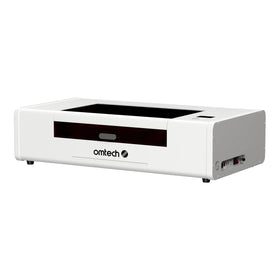







Best Laser Engraver for Small Business
Starting or scaling a small business with laser engraving is one of the most profitable and versatile ventures today. Whether you’re creating custom signs, personalized gifts, awards, jewelry, or promotional products, a high-quality laser engraver can become the cornerstone of your business.

Why Laser Engraving Is a Great Small Business Opportunity
Laser engraving technology gives small businesses the ability to:
- Produce high-margin custom products
- Offer fast turnaround times
- Compete with large manufacturers
- Automate precision cutting and marking
Laser engraving appeals to diverse niches:
- Wedding and event vendors
- Online sellers (Etsy, Shopify)
- Local gift shops and boutiques
- Corporate signage suppliers
- Makerspaces and craft studios
What to Consider When Choosing a Laser Engraver
Before diving into the best models, know what matters most for small business:
1. Power & Performance
- Laser type: CO2 laser is ideal for wood, acrylic, leather.
- Wattage: 40–150W for most small business applications.
- Engraving speed & accuracy: Affects productivity and finish.
2. Work Area Size
- Small business needs vary from tabletop engraving to larger production.
- A work area of 24″ x 18″ or larger is a good balance.
3. Software Compatibility
- Look for machines with user-friendly software.
- Compatibility with core design tools (CorelDRAW, Adobe, LightBurn).
4. Support & Warranty
- Local support or responsive global service is key.
- Warranty length and replacement parts availability.
5. Use Case Flexibility
- Ability to engrave diverse materials: wood, acrylic, leather, metal, glass.

Laser Engraver Cost & ROI Breakdown
Here’s a rough cost and revenue model for a typical small engraving business:
|
Item |
Typical Cost |
|
Laser Engraver |
$2,000 – $8,000 |
|
Materials |
$200 – $800/mo |
|
Software |
$0 – $300/mo |
|
Marketing |
$100 – $500/mo |
Example after tax revenue:
If you sell custom engraved signs at $45–$95 each, a machine producing 20 items/week can generate:
- 20 × $65 avg price = $1,300/week
- $1,300 × 50 weeks = $65,000/year revenue
ROI timeline: 6–12 months for most small businesses.
Best Products You Can Make & Sell
Here are profitable laser engraving product ideas:
✅ Custom Wedding Signs
✅ Personalized Cutting Boards
✅ Logo Coasters
✅ Corporate Awards
✅ Acrylic LED Signs
✅ Customized Leather Goods
✅ Engraved Jewelry Boxes
✅ Pet ID Tags
✅ Promotional Products for Events
Best Laser Engraver for Etsy Sellers & Sign Shops
If you’re running an Etsy shop or a small sign business, you’re not just buying a machine.
You’re buying:
- Production speed
- Creative freedom
- Profit margin
- And honestly… peace of mind
The “best laser engraver” isn’t the most powerful one.
It’s the one that fits your workflow, your space, and your customers.
Part 1: If You’re an Etsy Seller
Most Etsy sellers don’t need industrial power.
You need:
- Clean engraving
- Reliable cutting
- Fast setup
- Small footprint
- Low maintenance
- Good profit margins
You probably work from:
- A garage
- A spare room
- A small studio
And you’re selling:
- Wedding signs
- Personalized gifts
- Name plaques
- Wooden ornaments
- Leather keychains
- Custom acrylic pieces
So what actually matters?
What Etsy Sellers Really Need in a Laser
1. 50–60W CO2 Power Is the Sweet Spot
You don’t need 100W.
A solid 50–60W CO₂ laser will:
- Cut 1/4" wood cleanly
- Engrave acrylic beautifully
- Handle leather and coated metal
- Keep material costs low
More power just increases cost and maintenance.
2. Work Area Matters More Than You Think
A common mistake:
Buying too small.
You’ll quickly outgrow a tiny desktop unit if you start getting wedding sign orders.
A work area around 20" × 12" or larger gives flexibility without taking over your room.
3. Speed = Profit
Let’s be practical.
If your laser saves you 2 minutes per item and you produce 40 pieces a week, that’s:
80 minutes saved.
That’s another 10–20 products you can sell.
Productivity isn’t just convenience.
It’s margin.
Best Setup for Etsy Sellers
For most Etsy businesses, a mid-range 50–60W CO₂ laser engraver is ideal.
You want:
- LightBurn compatibility
- Good air assist
- Stable frame
- Accessible replacement parts
Avoid:
- Cloud-locked systems
- Machines that only use proprietary materials
- Underpowered diode units if you plan to scale
If you’re serious about turning Etsy into a real income stream, invest in a machine that can grow with you.
Realistic Etsy ROI Example
Let’s say you sell:
- Custom wedding signs at $75
- Your material cost is $12
- Production time: 25 minutes
That’s ~$60 gross margin per piece.
If you sell 10 per week:
$600 gross profit/week
~$2,400/month
A $3,000–$5,000 machine can pay itself off in 2–4 months if demand is steady.
That’s why so many Etsy sellers upgrade from Cricut to CO₂ lasers.
Part 2: If You Run a Small Sign Shop
Sign shops are a different animal.
You’re not just doing personalized gifts.
You’re doing:
- Storefront signage
- ADA signs
- Corporate branding
- Acrylic logo panels
- Engraved plates
- Dimensional lettering
Your priorities are different.
What Sign Shops Actually Need
1. More Power (60–100W)
You’ll cut:
- 1/4" to 3/8" acrylic
- Plywood sheets
- MDF
- Rowmark materials
More power = cleaner edges + faster turnaround.
And speed matters when clients need signs “by Friday.”
2. Larger Bed Size
Sign shops outgrow small beds fast.
If you’re regularly piecing together panels because your machine is too small, that’s lost time.
Look for:
- At least 20" × 28"
- Or larger if you have space
3. Reliability > Fancy Features
In a sign business, downtime kills trust.
You want:
- Stable power supply
- Good cooling
- Local service access
- Easy-to-source replacement parts
Not flashy marketing.
ROI for a Sign Shop
Let’s say:
- You sell one 24" acrylic business sign for $350
- Material cost: $60
- Production time: 1–2 hours
That’s nearly $290 gross margin.
Three signs per week = $870
Monthly = ~$3,500
A $6,000–$10,000 machine can realistically pay itself off within 3–6 months if you already have client demand.
Common Mistakes Both Groups Make
- Buying too small and upgrading in a year
- Buying too cheap and fighting maintenance
- Underestimating ventilation needs
- Ignoring workflow and software compatibility
- Thinking the machine alone creates sales
The machine helps.
Marketing still matters.
What’s Actually the Best Laser Engraver?
For Etsy sellers:
A 50–60W CO₂ laser with medium bed size is the safest, most scalable choice.
For sign shops:
A 60–100W CO₂ laser with a larger work area is usually ideal.
You don’t need industrial $20k equipment to run a profitable small shop.
But you do need:
- Enough power
- Enough space
- Enough reliability
And a clear business plan.
A Laser Engraver isn’t Just a Tool
For many small businesses, it becomes:
- The production engine
- The creative outlet
- The income backbone
Choose the machine that supports your workflow — not just the one with the biggest watt number.
And if you’re serious about scaling, think 2–3 years ahead.
Because if your orders grow (and they often do), you don’t want your machine holding you back.