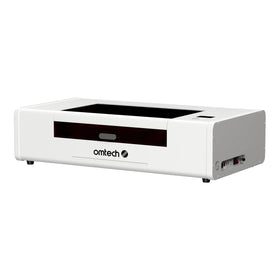








Laser Cutters for CTE Programs
Preparing Students for High-Demand Manufacturing and Design Careers
Career and Technical Education programs face a critical mission: preparing students with real, employable skills that translate directly to the modern workforce. As manufacturing, design, and fabrication industries increasingly rely on digital tools, laser cutting technology has become an essential component of forward-thinking CTE programs.
This guide explores why laser cutters belong in CTE curricula, which career pathways they support, and how programs can implement this technology to give students genuine competitive advantages in today's job market.

The Workforce Reality: Why CTE Programs Need Digital Fabrication
The Manufacturing Skills Gap
The manufacturing industry faces a well-documented skills gap. According to industry reports, millions of manufacturing jobs remain unfilled due to lack of qualified candidates with relevant technical skills. This gap represents enormous opportunity for CTE programs that prepare students with in-demand capabilities.
What Employers Are Looking For:
- Digital fabrication proficiency
- CAD/CAM software skills
- Understanding of production workflows
- Quality control and precision work experience
- Problem-solving in manufacturing contexts
- Safety-conscious equipment operation
Laser cutting technology directly addresses these needs, providing students with tangible, transferable skills that employers actively seek.
Industry 4.0 and the Modern Workplace
Today's manufacturing and design industries operate within an "Industry 4.0" framework characterized by:
- Automation and computer-controlled fabrication
- Digital design-to-production workflows
- Rapid prototyping capabilities
- Small-batch and custom manufacturing
- Integration of design software with production equipment
Students who graduate with laser cutting experience aren't just learning a specific skill—they're gaining familiarity with the digital fabrication ecosystem that increasingly defines modern manufacturing, engineering, and design fields.
CTE Career Pathways Supported by Laser Cutting
Manufacturing and Production Technology
Relevant Career Outcomes:
- CNC Machine Operator
- Production Technician
- Manufacturing Engineer Technician
- Quality Control Inspector
- Production Supervisor
Skills Developed:
- Understanding of subtractive manufacturing processes
- Material selection and properties knowledge
- Production planning and workflow optimization
- Quality control standards and inspection
- Equipment maintenance and troubleshooting
Industry Connection: Laser cutting represents one node in the broader manufacturing technology ecosystem. Students who understand laser cutting principles more easily transition to understanding CNC routing, plasma cutting, and other digital fabrication methods used throughout manufacturing.
Engineering and Design Technology
Relevant Career Outcomes:
- Drafting and Design Technician
- CAD Technician
- Product Development Technician
- Engineering Technician
- Industrial Designer (with further education)
Skills Developed:
- Professional CAD software proficiency
- Design for manufacturing (DFM) principles
- Prototyping methodology
- Technical drawing and specification
- Design iteration and testing
Industry Connection: The design-to-fabrication workflow taught through laser cutting mirrors professional engineering processes, where digital designs must be translated into physical, functional products.
Art, Design, and Visual Communications
Relevant Career Outcomes:
- Graphic Designer
- Sign Maker/Fabricator
- Custom Product Designer
- Exhibit and Display Designer
- Small Business Owner (custom products)
Skills Developed:
- Vector graphics and design software
- Materials exploration for artistic application
- Client-based project management
- Portfolio development
- Production techniques for creative work
Industry Connection: Laser cutting provides art and design students with production capabilities that extend their creative work into professional, sellable products—valuable for both employment and entrepreneurship paths.
Entrepreneurship and Small Business
Relevant Career Outcomes:
- Small Business Owner
- E-commerce Entrepreneur
- Custom Product Manufacturer
- Craft Business Operator
Skills Developed:
- Product development and design
- Cost analysis and pricing
- Production planning and scaling
- Quality control for commercial products
- Understanding manufacturing economics
Industry Connection: Laser cutting technology has enabled thousands of successful small businesses and Etsy shops. Students learn not just technical skills, but genuine entrepreneurial capability using accessible technology.
Architecture and Construction Technology
Relevant Career Outcomes:
- Architectural Drafter
- Model Maker
- Construction Technology Technician
- Interior Design Technician
Skills Developed:
- Scale model construction
- Architectural drawing translation to 3D
- Material science for construction applications
- Precision measurement and construction principles
Industry Connection: Architecture firms regularly use laser cutting for scale models, presentation materials, and design visualization—skills directly transferable from CTE programs.
Essential Technical Skills CTE Students Gain
Computer-Aided Design (CAD) Proficiency
Industry-Standard Software Training:
Students working with laser cutters typically learn:
LightBurn:
- Industry-standard laser control software
- Widely used across professional shops
- Transferable skills across laser brands
- Foundation for understanding CAM (Computer-Aided Manufacturing) principles
Adobe Illustrator:
- Professional vector design standard
- Used across graphic design, signage, and manufacturing industries
- Valuable skill for design-focused careers
Fusion 360:
- Professional 3D CAD/CAM software
- Free for education
- Industry-standard for product design and manufacturing
- Bridges 2D laser cutting with 3D modeling concepts
AutoCAD:
- Standard drafting software across industries
- Particularly relevant for architecture/construction pathways
- Widely required in job postings
Manufacturing Process Understanding
Design for Manufacturing (DFM) Principles:
- Understanding material constraints
- Tolerance and precision requirements
- Cost-effective design decisions
- Production efficiency considerations
Quality Control Practices:
- Inspection standards
- Consistency verification
- Defect identification and correction
- Documentation practices
Production Workflow:
- Batch processing efficiency
- Material optimization (nesting, waste reduction)
- Time and cost estimation
- Workflow documentation
Materials Science Knowledge
CTE students develop practical understanding of:
Wood Products:
- Various species and their properties
- Plywood vs. solid wood applications
- Grain direction considerations
- Finish compatibility
Plastics and Acrylics:
- Cast vs. extruded acrylic differences
- Various plastic types and laser compatibility
- Material safety considerations
- Application-appropriate selection
Metals (with fiber laser programs):
- Metal types and laser marking capabilities
- Surface preparation requirements
- Industrial marking applications
Composite and Specialty Materials:
- Leather and fabric considerations
- Layered material applications
- Emerging material technologies
Safety and Professional Standards
OSHA-Aligned Safety Practices:
- Personal protective equipment usage
- Hazard identification and mitigation
- Emergency procedures
- Equipment lockout/tagout principles
Industry Certification Preparation:
- Foundation for OSHA 10/30 certifications
- Manufacturing safety standards
- Quality management system awareness
Professional Workplace Behaviors:
- Following standard operating procedures
- Documentation and record-keeping
- Equipment maintenance responsibility
- Collaborative workplace skills
Building Industry-Aligned CTE Curriculum
Foundational Course Sequence
Level 1: Introduction to Digital Fabrication
Course Objectives:
- Safety certification and equipment operation
- Basic CAD software proficiency
- Understanding of laser cutting principles
- Simple project completion
Sample Projects:
- Basic geometric shapes and text engraving
- Simple functional items (organizers, holders)
- Introduction to material properties
Industry Connection: Foundational safety and operational skills required across all manufacturing environments
Level 2: Applied Design and Production
Course Objectives:
- Intermediate CAD skills development
- Design for manufacturing principles
- Production efficiency concepts
- Quality control practices
Sample Projects:
- Multi-component assemblies
- Client-based design projects
- Small batch production runs
- Design iteration based on testing
Industry Connection: Mirrors real-world design-to-production workflows used in manufacturing and design firms
Level 3: Advanced Applications and Specialization
Course Objectives:
- Complex project management
- Portfolio development
- Specialized technique mastery
- Industry connection and internship preparation
Sample Projects:
- Capstone design projects
- Business/entrepreneurship applications
- Advanced material combinations
- Client or community partnership projects
Industry Connection: Portfolio-ready work demonstrating professional-level capability for employment or further education
Level 4: Career Preparation and Work-Based Learning
Course Objectives:
- Industry certification preparation
- Internship/externship coordination
- Professional portfolio finalization
- Career pathway planning
Sample Projects:
- Industry-partnered projects
- Certification exam preparation
- Comprehensive portfolio development
- Job readiness skill development
Industry Connection: Direct connection to employment opportunities or postsecondary education pathways
Integrating Industry Partnerships
Advisory Committee Involvement: Local manufacturing and design businesses can provide:
- Curriculum relevance feedback
- Equipment and technology recommendations
- Guest speaking opportunities
- Internship and job placement connections
Work-Based Learning Opportunities:
- Job shadowing experiences
- Internship placements
- Industry mentor programs
- Live client projects
Industry Certification Alignment: Consider connecting curriculum to recognized certifications:
- Manufacturing Skill Standards Council (MSSC) certifications
- SolidWorks certification pathways
- Autodesk certification programs
- OSHA safety certifications
Selecting Equipment for CTE Programs
CTE-Specific Considerations
Unlike general STEM exploration, CTE programs require equipment that:
Mirrors Industry Standards: Equipment should reflect what students will encounter in actual workplace settings
Handles Production Volume: CTE programs often involve more intensive use than general STEM exploration
Supports Skill Progression: Equipment should accommodate beginning through advanced skill levels
Provides Realistic Career Preparation: Machine capabilities should align with entry-level industry equipment
Recommended Equipment Specifications
For Foundational CTE Programs:
Power Range: 60-80W CO₂ laser
- Sufficient for wide material range
- Realistic production speeds
- Handles typical CTE project scope
Working Area: Minimum 500mm × 700mm (20" × 28")
- Accommodates diverse project sizes
- Allows batch processing practice
- Prepares students for industrial-scale thinking
Software: LightBurn compatibility essential
- Industry-standard software experience
- Transferable skills across laser brands
- Extensive learning resources available
For Advanced/Production-Focused CTE Programs:
Power Range: 100-150W CO₂ laser
- Production-speed capabilities
- Thicker material processing
- Industrial-relevant power levels
Working Area: 900mm × 600mm or larger
- Commercial-scale project capability
- Multiple simultaneous projects
- Realistic production environment simulation
Additional Considerations:
- Rotary attachment for cylindrical objects (expands application range)
- Air assist and ventilation systems (professional standard)
- Pass-through capability for oversized materials (if program scope requires)
For Metal-Focused Manufacturing Pathways:
Fiber Laser Addition: 20-50W fiber laser
- Metal marking and light cutting capability
- Relevant for manufacturing and industrial pathways
- Complements CO₂ laser for comprehensive material coverage
Safety Certification Requirements
Essential for CTE Environments:
Class 1 Laser Certification:
- Enclosed, safe operation standard
- Appropriate for student operation with proper training
- Meets educational institution safety requirements
Additional Safety Infrastructure:
- Proper ventilation systems (critical for extended daily use)
- Fire suppression readiness
- Emergency stop accessibility
- Lockout/tagout capability for maintenance
Assessment and Industry-Recognized Credentials
Competency-Based Assessment
Technical Skill Evaluation:
- Software proficiency demonstrations
- Equipment operation certification
- Project completion to specification
- Quality control standard achievement
Portfolio Development: CTE programs should emphasize portfolio quality suitable for:
- Job applications
- College admissions (design/engineering programs)
- Entrepreneurial ventures
- Apprenticeship applications
Industry-Style Evaluation:
- Client specification adherence
- Timeline and deadline management
- Cost estimation accuracy
- Professional communication
Certification Pathways
Consider Integrating:
Manufacturing Skill Standards Council (MSSC):
- Certified Production Technician (CPT) credential
- Nationally recognized manufacturing certification
- Covers safety, quality, and production concepts
Autodesk Certified User:
- Industry-recognized software certification
- Enhances resume and college applications
- Available for Fusion 360 and AutoCAD
OSHA 10-Hour Certification:
- General industry safety certification
- Valuable addition to any manufacturing-adjacent program
- Often required for entry-level manufacturing positions
State-Specific CTE Credentials:
- Many states offer industry-recognized CTE credentials
- Check state Department of Education CTE resources
- Align curriculum with state credential requirements
Building Business and Entrepreneurship Skills
The Entrepreneurial Advantage
CTE programs increasingly recognize that laser cutting skills translate directly to entrepreneurial opportunities. Students can develop genuine business capability alongside technical skills.
Business Skill Integration:
Product Development:
- Market research methodology
- Design iteration based on customer feedback
- Cost analysis and pricing strategy
- Production scaling considerations
Digital Marketing Basics:
- E-commerce platform understanding (Etsy, Shopify)
- Product photography skills
- Social media marketing concepts
- Customer service principles
Business Operations:
- Basic accounting and cost tracking
- Inventory management
- Order fulfillment processes
- Customer relationship management
Student Business Incubator Projects
Structured Business Simulation:
Phase 1: Market Research Students identify potential product opportunities through market analysis
Phase 2: Product Development Design and prototype potential products using laser cutting technology
Phase 3: Business Planning Develop comprehensive business plans including costs, pricing, and marketing
Phase 4: Limited Production Create actual inventory for real or simulated sales
Phase 5: Sales and Analysis Execute sales strategy and analyze business results
Learning Outcomes:
- Comprehensive business understanding
- Real-world application of technical skills
- Entrepreneurial confidence building
- Portfolio development combining technical and business skills
Real-World CTE Program Success Stories
Case Study: Regional Manufacturing Technology Program
A regional CTE center integrated laser cutting into their Manufacturing Technology pathway, serving juniors and seniors from six partner high schools.
Program Structure:
- Two-year sequence culminating in industry certification
- Laser cutting integrated alongside CNC machining and 3D printing
- Strong industry advisory committee involvement
Implementation:
- Invested in 100W CO₂ laser plus 50W fiber laser
- Developed curriculum aligned with MSSC certification
- Established partnerships with 12 local manufacturers
Outcomes:
- 85% of program completers earned industry certification
- 60% secured manufacturing-related employment within 6 months of graduation
- 25% pursued related postsecondary education
- Program expanded to accommodate waiting list demand
Case Study: High School Entrepreneurship Academy
A career academy focused on entrepreneurship incorporated laser cutting as core technology for their business development curriculum.
Program Structure:
- Junior/senior entrepreneurship pathway
- Laser cutting as primary product development tool
- Culminating student business plan competition
Implementation:
- Started with single 60W laser
- Integrated technical training with business coursework
- Developed school store for student product sales
Outcomes:
- Students generated over $45,000 in sales through school store
- Three students launched actual businesses post-graduation
- Program received regional recognition for innovative CTE integration
- Local business community actively mentors current students
Case Study: Design and Visual Communications Pathway
A CTE program combining graphic design and fabrication technology prepared students for careers in signage, custom products, and visual communications industries.
Program Structure:
- Three-year sequence from foundational design through advanced fabrication
- Strong emphasis on client-based projects
- Portfolio development throughout program
Implementation:
- Multiple laser systems supporting different project scales
- Partnership with local sign company for mentorship
- Regular gallery shows featuring student work
Outcomes:
- 90% of graduates pursued related postsecondary education or employment
- Students regularly complete paid community projects
- Strong industry reputation leads to consistent job placement
- Program serves as recruitment tool for broader CTE enrollment
Addressing Program Implementation Challenges
"How Do We Justify the Investment?"
Return on Investment Framework:
Student Outcomes:
- Track employment and postsecondary outcomes
- Document certification achievement rates
- Measure program completion rates
- Survey employer satisfaction with graduates
Community Value:
- Calculate community service project value
- Document business partnership development
- Track school store or fundraising revenue
- Measure program reputation and enrollment impact
Comparative Analysis:
- Compare equipment costs to other CTE technology investments
- Calculate cost-per-student across program lifespan
- Consider grant funding specifically available for this technology
"How Do We Keep Curriculum Current with Industry Needs?"
Strategies for Relevance:
Active Advisory Committees: Regular meetings with industry partners ensure curriculum reflects current workplace needs
Industry Site Visits: Regular tours of local manufacturing and design facilities keep curriculum grounded in reality
Guest Speaker Programs: Bringing industry professionals into classroom provides current perspective
Equipment Updates: Regular technology refresh cycles (every 5-7 years) maintain industry alignment
Professional Development: Teacher industry externships and continuing education maintain instructor currency
"How Do We Handle Diverse Skill Levels?"
Differentiation Strategies:
Tiered Project Complexity: Same fundamental project with varying complexity levels based on student readiness
Peer Mentorship: Advanced students support beginning students, reinforcing their own learning
Individual Pacing: Competency-based progression allows students to advance at appropriate pace
Multiple Entry Points: Program structure accommodates students joining at different skill levels
Funding CTE Laser Cutting Programs
Perkins V Funding
The Strengthening Career and Technical Education for the 21st Century Act (Perkins V) provides significant federal funding specifically for CTE programs.
Eligible Uses:
- Equipment purchases
- Curriculum development
- Professional development
- Industry partnership development
Application Strategy:
- Align with state CTE priorities
- Demonstrate labor market alignment
- Show clear career pathway connections
- Include employer partnership evidence
State CTE Funding Streams
Most states provide dedicated CTE funding beyond federal Perkins allocation:
- Equipment grants specifically for CTE programs
- Innovation grants for emerging technology integration
- Regional CTE center funding mechanisms
Industry Partnership Funding
Equipment Donations: Local manufacturers may donate or discount equipment as workforce development investment
Scholarship/Grant Programs: Industry associations often provide CTE program support
In-Kind Support: Material donations, mentorship, and expertise sharing reduce program costs
Grant Writing for CTE Technology
Key Elements for Successful Applications:
Labor Market Data: Include local/regional workforce demand data supporting program relevance
Industry Partnership Letters: Demonstrate employer support and validation of program direction
Student Outcome Projections: Provide realistic, data-supported outcome expectations
Sustainability Planning: Show how program will continue beyond initial grant funding
The OMTech Advantage for CTE Programs
Industry-Relevant Equipment
OMTech laser systems provide CTE programs with equipment that genuinely mirrors industry standards:
Professional-Grade Reliability: Built for the demanding, repetitive use typical in CTE production environments
Industry-Standard Software: LightBurn compatibility ensures students learn transferable, professionally-relevant skills
Scalable Options: From foundational programs through advanced production capabilities, equipment options support program growth
Educational Program Support
CTE-Specific Resources:
- Curriculum alignment guidance
- Industry connection support
- Certification pathway information
- Grant application assistance
Comprehensive Training:
- Instructor certification programs
- Ongoing technical support
- Safety protocol development assistance
- Curriculum implementation guidance
Building Long-Term Partnerships
Beyond Equipment Sales: OMTech partners with CTE programs for genuine educational success, providing:
- Regular check-ins and support
- Curriculum update notifications
- Industry trend information
- Networking with other CTE programs
Conclusion: Preparing Students for Real Career Success
Career and Technical Education exists to bridge the gap between classroom learning and workforce readiness. Laser cutting technology represents one of the most effective tools available for building this bridge—providing students with genuine, marketable skills while engaging them in meaningful, hands-on learning.
The manufacturing, design, and fabrication industries need skilled workers now and will continue needing them as digital fabrication technology becomes increasingly central to production processes. CTE programs that integrate laser cutting technology position their students at the forefront of this workforce demand.
Success requires thoughtful implementation: curriculum aligned with genuine industry needs, equipment that mirrors professional standards, strong industry partnerships, and clear pathways to certification and employment. When these elements align, CTE laser cutting programs don't just teach a skill—they launch careers.
The question for CTE administrators and instructors isn't whether digital fabrication technology belongs in career preparation curriculum. The evidence is clear: employers want these skills, students benefit from this engagement, and communities benefit from workforce-ready graduates.
The question is how quickly and effectively programs can implement this technology to serve their students' career success.
Additional Resources
CTE Standards and Frameworks:
- Association for Career and Technical Education (ACTE): acteonline.org
- National Career Clusters Framework: careertech.org
- Perkins V Implementation Resources: cte.ed.gov
Industry Certification Information:
- Manufacturing Skill Standards Council: msscusa.org
- Autodesk Certification: autodesk.com/certification
- OSHA Training Resources: osha.gov/training
Grant and Funding Resources:
- Perkins V State Plans: cte.ed.gov/grants
- Your state CTE office funding opportunities
- Industry association scholarship/grant programs
Curriculum Development Support:
Ready to build or enhance your CTE laser cutting program? OMTech provides comprehensive support for career and technical education, including:
- CTE-Focused Equipment: Machines designed for the demands of production-level education
- Industry Alignment: Equipment and software matching real workplace standards
- Educational Pricing: Special programs for CTE and career center purchases
- Curriculum Resources: Support materials aligned with industry certification pathways
- Ongoing Partnership: Dedicated support throughout your program's growth
Explore OMTech CTE Solutions | Find a Demo Room Near You | Connect with Our Education Team