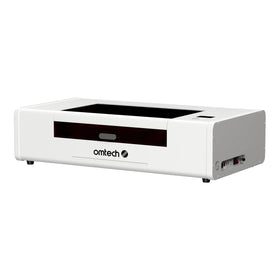








Laser Safety Guide for Schools
Essential Safety Standards, Training Requirements, and Best Practices for Educational Laser Cutting Programs
Safety is the foundation upon which every successful school laser cutting program is built. This comprehensive guide provides administrators, teachers, and safety coordinators with the protocols, training frameworks, and compliance information necessary to operate laser cutting equipment safely in educational environments.
Whether you're launching a new program or auditing an existing one, this guide serves as your complete reference for laser safety in K-12 and higher education settings.

Understanding Laser Classifications
Why Classification Matters
Laser safety requirements vary dramatically based on classification. Understanding these classifications is the essential first step in developing appropriate safety protocols.
FDA and IEC Laser Classifications:
Class 1 (Safest Category):
- Safe under all conditions of normal use
- No additional safety measures required beyond built-in controls
- Fully enclosed systems with interlocked safety doors
- This is the classification schools should require
Class 2:
- Visible lasers with power limited by blink reflex protection
- Not typically used for cutting/engraving applications
- Rarely relevant to educational laser cutting equipment
Class 3R/3B:
- Potentially hazardous with direct or reflected beam exposure
- Requires controlled access, safety training, and protective equipment
- Generally inappropriate for K-12 educational settings
- May require designated Laser Safety Officer
Class 4 (Highest Hazard):
- Significant fire, skin, and eye hazard potential
- Requires extensive safety infrastructure and controls
- Typically industrial/research applications only
- Not appropriate for standard classroom settings
The Critical Distinction: Enclosed vs. Open Beam Systems

Enclosed Systems (Class 1 Certified):
When properly enclosed with safety interlocks, even lasers using higher-class laser sources internally become Class 1 products because:
- Complete enclosure prevents any beam exposure during normal operation
- Safety interlocks immediately stop laser when enclosure is opened
- No additional PPE (personal protective equipment) required for operators
- Appropriate for supervised student operation
Why This Matters for Schools:
Class 1 certification means the complete system—not just the internal laser source—has been tested and verified safe for operation without specialized safety training beyond basic operational instruction. This is the standard schools should require.
Verification Steps:
- Request Class 1 certification documentation from equipment manufacturer
- Verify certification applies to complete system, not just component parts
- Confirm certification from recognized testing laboratory
- Maintain certification documentation in permanent safety files
Regulatory Compliance Framework
Federal Requirements
FDA Center for Devices and Radiological Health (CDRH):
All laser products sold in the United States must comply with:
- 21 CFR 1040.10 (Performance Standards for Laser Products)
- 21 CFR 1040.11 (Specific Purpose Laser Products)
Verification Requirement: Schools should verify equipment includes proper FDA compliance labeling, typically found on a label affixed to the equipment stating classification and compliance information.
OSHA General Duty Clause:
While OSHA doesn't have laser-specific K-12 regulations, the General Duty Clause requires employers (including schools) to provide workplaces free from recognized hazards. This creates implicit responsibility for:
- Appropriate safety training
- Proper equipment maintenance
- Hazard communication
- Incident prevention and response protocols
State and Local Requirements
Variability Across Jurisdictions:
Laser safety requirements can vary by state and local jurisdiction. Schools should verify:
State Department of Education Requirements:
- Some states have specific technology education safety standards
- Career and Technical Education (CTE) programs may have additional requirements
- Check state-specific safety documentation requirements
Local Fire Marshal Requirements:
- Ventilation and fire suppression requirements
- Occupancy and equipment placement regulations
- Required inspections and documentation
School District Policies:
- Many districts maintain specific technology safety policies
- Insurance requirements may dictate specific protocols
- Risk management office involvement often required
International Standards (for Reference)
IEC 60825-1: International Electrotechnical Commission standard for laser product safety, often referenced alongside FDA requirements for comprehensive compliance verification.
Essential Safety Infrastructure
Physical Space Requirements
Minimum Space Considerations:
Equipment Clearance:
- Adequate space around machine for safe operation and emergency access
- Clear pathways to emergency exits
- Sufficient space for material loading/unloading without hazard
Ventilation Requirements:
Critical Safety Element:
Proper ventilation isn't optional—it's essential for removing potentially harmful fumes and particulates generated during laser cutting and engraving.
Ventilation System Components:
- Dedicated exhaust fan appropriately sized for laser power and typical usage
- Ducting to exterior venting (preferred) or appropriate filtration system
- Regular filter maintenance and replacement schedule
- Backup ventilation verification before operation
Signs of Inadequate Ventilation:
- Persistent odors in workspace
- Visible smoke accumulation
- Staff or student respiratory complaints
- Excessive residue on surfaces
Fire Safety Infrastructure:
Required Elements:
- CO₂ fire extinguisher (appropriate for electrical fires) immediately accessible
- Smoke detection system in laser operation area
- Clear evacuation route and procedures
- Fire suppression system compliance with local fire codes
Electrical Safety:
Requirements:
- Dedicated circuit appropriate for equipment power requirements
- Proper grounding verification
- Ground Fault Circuit Interrupter (GFCI) protection where appropriate
- Regular electrical safety inspection
Equipment Safety Features Checklist
Before purchasing or approving equipment for classroom use, verify:
☐ Class 1 Laser Certification (documented, from recognized testing lab)
☐ Complete Physical Enclosure (no gaps allowing beam exposure)
☐ Interlocked Safety Doors (laser stops immediately when opened)
☐ Emergency Stop Button (prominent, accessible, clearly marked)
☐ Key Switch or Access Control (prevents unauthorized operation)
☐ Thermal Protection (automatic shutdown if overheating occurs)
☐ Stable Construction (won't tip or shift during operation)
☐ Clear Safety Labeling (visible warning labels, classification information)
☐ Fire-Resistant Construction (metal housing, not flammable materials)
☐ Proper Ventilation Compatibility (designed for exhaust system connection)
Developing Your School's Safety Protocol
Step 1: Establish Governance Structure
Designate Responsible Parties:
Laser Safety Coordinator: Every school program should designate a specific staff member responsible for:
- Overall safety protocol development and maintenance
- Training program coordination
- Incident response and reporting
- Equipment maintenance oversight
- Compliance documentation
Backup Coordinator: Identify secondary staff member trained in safety protocols to ensure coverage during absences
Administrative Oversight: Clear connection to school administration for policy support and resource allocation
Step 2: Create Written Safety Protocols
Essential Protocol Components:
Pre-Operation Checklist:
BEFORE EVERY LASER SESSION:

☐ Ventilation system running and verified functional
☐ Fire extinguisher accessible and inspected
☐ Work area clear of unnecessary materials
☐ Emergency stop button accessible and functional
☐ Material verified as laser-safe (see approved materials list)
☐ Design file reviewed and approved
☐ Appropriate supervision present
☐ Emergency procedures reviewed with all present
Operating Procedures:
DURING LASER OPERATION:

☐ Never leave operating laser unattended
☐ Maintain visual monitoring throughout operation
☐ Keep enclosure closed during active cutting/engraving
☐ Be prepared to activate emergency stop if needed
☐ Monitor for unusual sounds, smells, or visual indicators
☐ Maintain clear pathway to emergency stop and extinguisher
Post-Operation Procedures:
AFTER LASER OPERATION:

☐ Allow appropriate cool-down time before material removal
☐ Verify laser fully stopped before opening enclosure
☐ Remove all materials and scrap safely
☐ Clean work area appropriately
☐ Document any issues or concerns
☐ Verify equipment ready for next use or properly secured
Step 3: Develop Material Safety Guidelines
Critical Safety Information: Materials That Should NEVER Be Laser Cut
Absolutely Prohibited Materials:
PVC (Polyvinyl Chloride) and Vinyl:
- Produces toxic chlorine gas when cut
- Can cause immediate respiratory harm
- Damages laser equipment through corrosive gas production
- This includes many "vinyl" craft materials, some plastic sheeting
Polycarbonate:
- Can catch fire and produce hazardous fumes
- Doesn't cut cleanly, creates safety hazards
ABS Plastic:
- Produces hazardous cyanide gas when lasered
- Common in some 3D printing materials—verify before use
Any Chlorinated Plastics:
- General category producing toxic gases
- When uncertain, do not laser cut unknown plastics
Fiberglass:
- Releases hazardous particulates
- Can damage laser optics
Materials Containing Metal: Note: Standard CO₂ lasers cannot cut through metal, but metal components can:
- Reflect laser beam causing safety hazard
- Damage laser optics
- Some coated/painted metals may be safely engraved (verify first)
Unknown or Unlabeled Materials:
- Never laser cut materials without confirmed composition
- When in doubt, don't cut it out
Approved Materials for Educational Use:
Generally Safe for Cutting/Engraving:
- Basswood, birch plywood, and most natural woods
- Cast acrylic (verify cast vs. extruded—cast is generally safer)
- Leather (natural, untreated preferred)
- Cardboard and paper products
- Cork
- Certain fabrics (cotton, felt—verify synthetic blends carefully)
Safe for Engraving Only (Not Cutting):
- Glass (creates surface marking only)
- Anodized aluminum (surface marking only)
- Stone (limited applications, verify specific type)
Creating Your School's Approved Materials List:
Develop and prominently post a clear, simple reference:
✅ APPROVED MATERIALS:
- Plywood/Wood (untreated)
- Cast Acrylic
- Cardboard/Paper
- Leather (natural)
- Cork

❌ NEVER USE THESE MATERIALS:
- PVC/Vinyl
- Polycarbonate
- ABS Plastic
- Fiberglass
- Any unknown plastic

❓ ASK SUPERVISOR BEFORE USING:
- New/unfamiliar materials
- Painted or coated items
- Composite materials
- Any material not on approved list
Step 4: Personal Protective Equipment (PPE) Guidelines
For Class 1 Enclosed Systems:
Because Class 1 systems provide complete beam containment, extensive PPE typically isn't required for normal operation. However, schools should still consider:
Recommended Precautions:
- Safety glasses during material loading/unloading (general workshop safety)
- Appropriate ventilation as primary protection against fumes
- Standard classroom/lab safety attire (closed-toe shoes, no loose clothing)
When Additional PPE May Be Necessary:
- During maintenance requiring enclosure access with laser potentially active
- If troubleshooting requires temporary safety bypass (should require specialized training)
- Specific material handling requiring additional protection
Important Note: The enclosed, Class 1 design specifically eliminates the need for laser safety glasses during normal student operation—this is a key safety advantage of properly certified educational equipment.
Training Program Development
Multi-Tier Training Structure
Tier 1: General Safety Awareness (All Students)
Required For: Any student in classroom where laser operates, even if not operating equipment themselves
Content Coverage:
- Basic laser safety principles
- Understanding of Class 1 safety features
- Emergency procedures awareness
- Prohibited materials recognition
- Reporting procedures for concerns
Duration: 20-30 minutes
Assessment: Basic comprehension check (can be informal discussion or simple quiz)
Tier 2: Supervised Operation Training
Required For: Students who will operate equipment under direct supervision
Content Coverage:
- Complete equipment operation procedures
- Software basics for design preparation
- Material selection and safety verification
- Hands-on practice with supervision
- Emergency stop procedures (practical demonstration)
Duration: 45-60 minutes plus supervised practice
Assessment:
- Written safety quiz (80% minimum passing score recommended)
- Practical demonstration of safe operation procedures
- Supervisor sign-off on competency
Tier 3: Independent Operation Certification
Required For: Students granted independent access (typically older/more experienced students)
Content Coverage:
- All Tier 2 content
- Troubleshooting basic issues
- Comprehensive safety scenario discussion
- Independent decision-making protocols
- Understanding of when to seek help
Duration: Additional 30-45 minutes beyond Tier 2, typically after period of successful supervised operation
Assessment:
- Comprehensive written examination
- Extended practical demonstration
- Scenario-based problem-solving assessment
- Formal certification documentation
Tier 4: Staff/Advanced Training (For Teachers and Program Coordinators)
Required For: Any staff member responsible for laser program oversight
Content Coverage:
- Comprehensive safety protocol development
- Maintenance and troubleshooting
- Emergency response leadership
- Training program delivery
- Incident investigation and documentation
- Regulatory compliance understanding
Duration: Comprehensive training, often manufacturer-provided (4-8 hours typical)
Assessment: Manufacturer certification when available, plus internal competency verification
Sample Safety Training Quiz
Use this template as starting point for Tier 2/3 certification:
LASER SAFETY CERTIFICATION QUIZ

1. What should you do if you notice smoke or flames during laser operation?
   a) Wait to see if it stops
   b) Immediately press emergency stop and follow evacuation procedures
   c) Open the enclosure to check
   d) Continue operation but watch closely

2. Which of these materials should NEVER be laser cut?
   a) Plywood
   b) PVC/Vinyl
   c) Cardboard
   d) Cast acrylic

3. Can you leave the laser unattended while it's operating?
   a) Yes, if you'll be back in a few minutes
   b) Yes, if the door is closed
   c) No, never leave laser unattended during operation
   d) Only for engraving, not cutting

4. What is the purpose of the interlock safety door?
   a) To keep the machine looking nice
   b) To automatically stop the laser if opened during operation
   c) To reduce noise
   d) To prevent dust from entering

5. Before starting any laser project, you should verify:
   a) The material is on the approved list
   b) Proper ventilation is running
   c) Your design file is correct
   d) All of the above

6. If you're unsure whether a material is safe to laser cut, you should:
   a) Try it on a small piece first
   b) Ask your supervisor before proceeding
   c) Cut it anyway if it looks similar to approved materials
   d) Check online forums for advice

7. What should you do immediately after your laser project completes?
   a) Immediately open the enclosure and remove material
   b) Allow appropriate cool-down time before opening enclosure
   c) Leave it for the next student to handle
   d) Turn off ventilation immediately

8. Who should you notify if you notice unusual sounds or smells during operation?
   a) No one, it's probably fine
   b) Your supervisor/teacher immediately
   c) Wait until the project is complete
   d) Post about it on social media

[Continue with additional relevant questions covering your specific protocols]

PASSING SCORE: 80% (minimum 6 of 8 correct, adjust based on total questions)
Ongoing Training Requirements
Annual Refresher Training: Even certified students/staff should complete annual refresher covering:
- Updated safety protocols (if any changes)
- Review of prohibited materials
- Incident review (anonymized) for learning purposes
- Confirmation of continued competency
New Material Introduction: Any time new material types are approved for use, provide specific training on:
- Appropriate settings for new material
- Any special handling considerations
- Verification of safety for laser processing
Post-Incident Retraining: Following any safety incident (even minor), consider:
- Reviewing circumstances with all trained users
- Updating protocols if gaps identified
- Additional training for involved parties
- Documentation of lessons learned
Emergency Procedures
Fire Emergency Protocol
Immediate Response Steps:
IF FIRE OCCURS:

1. IMMEDIATELY press Emergency Stop button
2. If safe to do so, use fire extinguisher on small, contained fires
3. If fire is spreading or uncontrolled:
   a. Activate fire alarm
   b. Evacuate area following standard fire evacuation procedures
   c. Call 911
   d. Do NOT re-enter until cleared by fire department

4. After fire suppressed/extinguished:
   a. Ventilate area thoroughly before re-entry
   b. Do not resume operations until equipment inspected
   c. Document incident thoroughly
   d. Review circumstances leading to fire
Fire Extinguisher Use (PASS Method):
- Pull the pin
- Aim at base of fire
- Squeeze the handle
- Sweep side to side
Medical Emergency Protocol
For Burns or Injuries:
IF INJURY OCCURS:

1. Ensure immediate safety (stop laser if not already stopped)
2. Assess injury severity
3. For minor injuries:
   - Provide basic first aid
   - Document incident
   - Monitor for delayed symptoms

4. For serious injuries:
   - Call 911 immediately
   - Do not move injured person unless immediate danger present
   - Provide basic first aid within your training level
   - Ensure someone meets emergency responders

5. Document thoroughly:
   - What happened
   - Actions taken
   - Response times
   - Follow-up needed
Equipment Malfunction Protocol
For Unusual Equipment Behavior:
IF EQUIPMENT MALFUNCTIONS:

1. Press Emergency Stop immediately
2. Do NOT attempt operation until issue resolved
3. Document specific symptoms observed:
   - Unusual sounds
   - Visible smoke (non-fire related)
   - Error messages
   - Physical irregularities

4. Contact appropriate support:
   - School technical support first
   - Equipment manufacturer support if needed
   - Do not attempt repairs beyond trained competency

5. Tag equipment as "Out of Service" until:
   - Issue properly diagnosed
   - Repairs completed by qualified personnel
   - Safety verified before returning to service
Ventilation Failure Protocol
If Ventilation System Fails:
IF VENTILATION FAILS:

1. Immediately stop any active laser operation
2. Do NOT resume operation until ventilation restored
3. Evacuate area if fumes/smoke accumulation significant
4. Contact facilities/maintenance for ventilation repair
5. Verify ventilation fully functional before resuming operations
6. Document downtime and resolution
Retention Requirements
Recommended Retention Periods:
- Training Records: Retain for duration of student enrollment plus minimum 3 years (verify state requirements)
- Incident Reports: Retain permanently or per district risk management policy
- Maintenance Records: Retain for equipment lifespan plus 3 years
- Usage Logs: Retain minimum 1 year, longer if required by district policy
Consult your district's risk management or legal office for specific retention requirements, as these may vary by jurisdiction and district policy.
Age-Appropriate Safety Considerations
Elementary School Considerations (K-5)
Recommended Approach:
- Teacher/staff operation only; students observe and provide input
- No independent student operation
- Focus on safety awareness education rather than hands-on operation
- Simple, supervised design input (color choices, basic text)
Safety Emphasis:
- Understanding why safety rules exist
- Basic fire safety awareness
- Following adult instructions
- Recognizing unsafe situations
Middle School Considerations (6-8)
Recommended Approach:
- Tier 2 (Supervised Operation) as maximum independence level
- Consistent adult supervision required
- Simplified safety protocols with clear visual aids
- Emphasis on building safety habits
Safety Emphasis:
- Beginning technical safety understanding
- Developing responsible equipment use habits
- Understanding consequences of safety violations
- Building toward greater independence
High School Considerations (9-12)
Recommended Approach:
- Full tier progression through Tier 3 (Independent Operation) possible
- Age and maturity-appropriate independence
- More sophisticated safety scenario training
- Potential peer mentorship roles for advanced students
Safety Emphasis:
- Comprehensive technical safety understanding
- Professional-level safety culture development
- Understanding broader workplace safety principles
- Preparation for potential career applications
Special Considerations for Students with Disabilities
Individualized Approach Required:
Accommodation Considerations:
- Modified training delivery methods (visual, verbal, hands-on as needed)
- Extended time for training completion when appropriate
- Additional supervision levels if needed
- Alternative assessment methods respecting individual needs
Collaboration Requirements:
- Coordinate with special education staff
- Review IEP/504 plan implications
- Individualized safety planning as needed
- Ensure genuine inclusion while maintaining safety standards
Important Principle: Safety accommodations should enable participation, not exclude students from valuable learning experiences. Work collaboratively to find appropriate modifications rather than defaulting to exclusion.
Insurance and Liability Considerations
Working with Your Risk Management Office
Essential Conversations:
Before implementing any laser cutting program, coordinate with:
- District risk management/insurance office
- Legal counsel if available
- Facilities management
- Administration approval chain
Key Questions to Address:
- Does current insurance policy cover this equipment/activity?
- Are there specific requirements for coverage eligibility?
- What documentation does insurance require?
- Are there liability waiver requirements for students/parents?
Parent/Guardian Communication
Recommended Communication Elements:
Informed Consent Documentation: Many schools implement parent notification/consent processes for laser cutting program participation:
SAMPLE PARENT NOTIFICATION LETTER ELEMENTS:

- Description of laser cutting technology and educational use
- Safety measures in place (Class 1 certification, training requirements)
- Specific safety protocols students will learn
- Emergency procedures overview
- Contact information for questions
- Consent/acknowledgment signature line
Transparency Benefits:
- Builds parent confidence in program safety
- Creates documentation trail
- Opportunity to address parent concerns proactively
- Demonstrates program professionalism
Building a Culture of Safety
Beyond Compliance: Genuine Safety Culture
Key Principles:
Leadership Commitment: Safety culture starts with visible administrative and teacher commitment to safety as genuine priority, not just compliance checkbox
Open Communication: Create environment where students feel comfortable reporting concerns without fear of punishment for honest mistakes or near-misses
Continuous Improvement: Regularly review and refine protocols based on:
- Near-miss incidents (even without actual harm)
- Student/staff feedback
- Industry best practice updates
- Equipment manufacturer recommendations
Positive Reinforcement: Recognize and celebrate safety-conscious behavior, not just technical skill achievement
Signs of Strong Safety Culture
Indicators to Look For:
- Students proactively following protocols without constant reminders
- Peer accountability (students reminding each other of safety practices)
- Comfortable reporting of concerns or near-misses
- Consistent protocol adherence even when not directly supervised
- Genuine understanding of "why" behind safety rules, not just rule memorization
Common Safety Culture Pitfalls to Avoid
Complacency Risks:
- Assuming familiarity equals continued competency
- Skipping steps because "nothing bad has happened yet"
- Reducing supervision as comfort increases
- Treating safety training as one-time event rather than ongoing process
Communication Failures:
- Inconsistent messaging between different supervising staff
- Unclear escalation procedures for concerns
- Insufficient documentation creating knowledge gaps
- Poor transition planning when staff changes occur
Resources for Ongoing Safety Education
Recommended Professional Development
Manufacturer Training Programs: Most quality laser equipment manufacturers, including OMTech, provide safety training resources:
- Initial setup and safety training
- Video tutorial libraries
- Written safety documentation
- Ongoing support for safety questions
Professional Organizations:
- International Technology and Engineering Educators Association (ITEEA)
- Association for Career and Technical Education (ACTE)
- State-specific technology education associations
Safety-Specific Resources:
- Laser Institute of America (general laser safety resources)
- OSHA Training Institute (general workplace safety principles)
- State Department of Education safety guidance (when available)
Building Your Safety Resource Library
Recommended Documentation to Maintain:
- Equipment-specific safety manuals
- Material Safety Data Sheets (MSDS) for materials used
- Emergency contact information (poison control, equipment support, facilities)
- Local emergency service contact information
- District-specific policy documentation
- Training materials and assessment tools
Safety as Foundation for Success
Every successful school laser cutting program shares a common foundation: genuine commitment to comprehensive safety protocols. This isn't about limiting educational opportunity—it's about creating the secure environment necessary for students to explore, create, and learn with confidence.
Class 1 certified equipment, comprehensive training programs, clear protocols, and genuine safety culture don't restrict educational value; they enable it. When students and staff trust that proper safety measures are in place, they can focus fully on the creative and technical learning that makes laser cutting such a powerful educational tool.
The investment in comprehensive safety protocols—time spent developing procedures, resources allocated to proper training, ongoing commitment to safety culture—pays dividends far beyond incident prevention. It creates the foundation of trust and confidence that allows educational programs to thrive, expand, and genuinely transform student learning experiences.
Safety isn't separate from educational excellence in laser cutting programs—it's the essential foundation that makes that excellence possible.