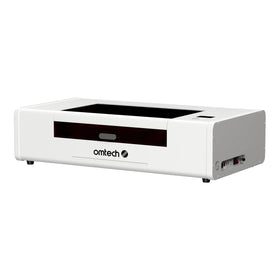








Laser Engravers for Woodworking Classes
Woodworking classes have long been a cornerstone of practical education—teaching patience, precision, and the satisfaction of creating something tangible with your hands. Today, forward-thinking woodworking programs are discovering that laser engravers don't replace traditional craftsmanship; they enhance it, opening new creative possibilities while teaching students valuable digital fabrication skills that complement classic woodworking techniques.
Explore OMTech Educational Solutions | Find a Demo Room Near You | Connect with Our Education Team
This guide explores how laser engravers integrate into woodworking curricula, the unique value they add to traditional programs, and how instructors can implement this technology without diminishing the hands-on craft skills that make woodworking education so valuable.

Why Laser Engravers Belong in the Woodshop
Complementing, Not Replacing, Traditional Skills
A common misconception holds that digital fabrication tools like laser engravers somehow diminish traditional woodworking education. The reality is quite different.
Traditional Skills Remain Essential:
- Hand tool proficiency (chisels, planes, saws)
- Joinery techniques (dovetails, mortise and tenon)
- Wood selection and grain understanding
- Finishing techniques
- Measurement and layout skills
Laser Engravers Add New Dimensions:
- Precision detail work impossible by hand
- Complex pattern and text application
- Rapid prototyping of design elements
- Consistent reproduction for multi-piece projects
- Introduction to digital design principles
The most effective woodworking programs use laser engravers as one tool among many—students still learn to cut dovetails by hand, but they might use laser engraving to add a personalized inlay detail or precise decorative element that would be extremely time-consuming through traditional methods alone.

Bridging Traditional Craft and Modern Industry
Today's professional woodworking and furniture-making industry increasingly incorporates digital fabrication alongside traditional techniques. Custom furniture makers, cabinet shops, and woodworking businesses regularly use laser engravers for:
- Precise decorative detailing
- Consistent branding and signatures
- Inlay pattern creation
- Template and jig production
- Small-batch production elements
Students who learn both traditional hand-skills and laser engraving technology graduate with genuinely marketable capabilities matching real industry practice.

Educational Applications for Woodworking Classes
Decorative Enhancement Projects
Adding Value to Traditional Projects:
Students who've built a hand-crafted box, cutting board, or picture frame using traditional joinery can enhance their work with laser-engraved elements:
Personalization Elements:
- Maker's mark or signature
- Date of completion
- Custom monogram or initials
- Meaningful quotes or phrases
Decorative Patterns:
- Celtic knots or geometric borders
- Botanical illustrations
- Cultural or heritage-inspired designs
- Complementary patterns matching wood grain
Learning Value: This approach teaches students that laser engraving is a finishing technique that enhances quality craftsmanship—not a shortcut that replaces it.

Inlay and Marquetry Applications
Traditional Marquetry Meets Digital Precision:
Marquetry—the art of creating images or patterns using pieces of veneer—traditionally requires exceptional hand-skill and years of practice to master complex patterns.
Laser-Assisted Marquetry Process:
- Students design pattern digitally
- Laser cuts precise veneer pieces from different wood species
- Students hand-assemble and glue pieces (traditional skill)
- Sanding and finishing (traditional technique)
Educational Benefits:
- Introduces marquetry concepts without years-long skill barrier
- Allows complex patterns previously impossible for beginners
- Still requires traditional assembly and finishing skills
- Builds understanding of wood species characteristics (color, grain patterns)
Inlay Applications:
Similarly, laser engravers excel at creating precise inlay pockets and matching inlay pieces:
- Consistent depth for professional-looking inlays
- Complex shapes difficult to achieve with hand routing
- Perfect fit between inlay piece and pocket
- Introduction to advanced furniture-making techniques
Joinery Template and Jig Creation
Teaching Precision Through Digital Tools:
Advanced woodworking often requires custom jigs and templates for repeated, precise operations. Laser engravers excel at creating these support tools:
Educational Applications:
- Students design custom jigs for specific joinery techniques
- Templates for consistent, repeated cuts
- Router guide templates for complex shapes
- Measurement and layout tools
Skill Development: This application teaches students that digital fabrication can support traditional craftsmanship by creating the precise tools and guides that enable consistent, professional results in hand-executed work.

Sign Making and Lettering
Traditional Sign-Making Meets Modern Technology:
Hand-carved signs represent a traditional woodworking specialty requiring significant skill in lettering and relief carving.
Laser Engraving Applications:
- Precise lettering impossible to achieve consistently by hand
- Complex logo or image reproduction
- Multiple sign production with consistent quality
- Combination projects (laser lettering with hand-carved borders/decoration)
Curriculum Integration: Students can learn traditional letter-carving techniques while also understanding how laser engraving serves specific applications requiring precision and repeatability that hand-carving cannot match.
Box and Furniture Making Enhancement
Elevating Traditional Projects:
Jewelry Box Projects:
- Hand-joined box construction (traditional skill)
- Laser-engraved lid decoration
- Custom fitted laser-cut compartments/organizers inside
- Personalized nameplates or labels
Furniture Accent Pieces:
- Hand-built furniture frame (traditional joinery)
- Laser-engraved decorative panels
- Custom hardware mounting templates
- Branded maker's marks
Cutting Board Projects:
- Traditional edge-grain or end-grain construction
- Laser-engraved personalization
- Custom recipe or measurement engravings
- Decorative border elements
Selecting the Right Laser Engraver for Woodworking Programs
Power Requirements for Wood Applications
Understanding Wood-Specific Needs:
Woodworking programs have specific requirements that differ somewhat from general STEM or art-focused laser engraving programs:
40-50W Systems:
- Suitable for engraving and thin veneer cutting
- Appropriate for decorative applications on finished pieces
- Limited for cutting thicker structural wood
60-80W Systems (Recommended for Most Woodworking Programs):
- Handles engraving efficiently across various wood species
- Cuts veneer and thinner stock effectively
- Appropriate power for inlay pocket creation
- Manages most decorative and functional applications
100W+ Systems:
- Consider for programs regularly cutting thicker stock
- Beneficial for production-focused advanced programs
- Faster processing for larger class sizes

Working Area Considerations
Matching Bed Size to Typical Projects:
Woodworking projects often involve larger pieces than typical STEM or hobby applications:
Minimum Recommended: 500mm × 700mm (20" × 28")
- Accommodates most decorative panel work
- Suitable for cutting box components
- Handles typical sign-making dimensions
Larger Format Consideration: 900mm × 600mm or bigger
- Beneficial for furniture panel decoration
- Accommodates larger sign projects
- Supports batch processing of multiple components
Wood-Specific Features to Prioritize
Rotary Attachment Compatibility: Valuable for woodworking programs working with:
- Turned wood projects (bowls, vessels)
- Cylindrical items requiring engraving
- Round furniture components
Enhanced Air Assist: Wood applications benefit from strong air assist systems that:
- Reduce charring on engraved surfaces
- Improve cut quality on thicker stock
- Minimize smoke residue on wood surface
Pass-Through Capability: Consider for programs working with:
- Longer boards requiring engraving beyond standard bed size
- Furniture panels exceeding typical working area

Curriculum Integration Strategies
Beginning Woodworking Courses
Foundational Approach:
Weeks 1-4: Traditional Skill Building
- Hand tool safety and use
- Basic joinery techniques
- Measurement and layout fundamentals
- Wood species identification
Weeks 5-6: Laser Engraver Introduction
- Safety training and certification
- Basic software introduction
- Simple engraving projects (name tags, small signs)
- Understanding laser capabilities and limitations
Weeks 7-10: Integrated Projects
- Students complete traditional joined project (box, frame)
- Add laser-engraved personalization or decoration
- Reflect on how digital tool enhanced traditional work
Learning Objectives: Students understand laser engraving as complementary technology, not replacement for foundational skills
Intermediate Woodworking Courses
Expanded Application:
Advanced Joinery with Digital Enhancement:
- Traditional advanced joinery techniques (dovetails, complex joints)
- Laser-created templates supporting precision hand-cutting
- Inlay technique introduction combining laser precision with hand assembly
Design Development:
- Students learn basic CAD/design software
- Create original decorative patterns
- Understand design-for-fabrication principles
Project Example: Heirloom Box
- Hand-cut dovetail joinery (primary construction)
- Laser-engraved lid with family crest or personalized design
- Laser-cut felt or wood organizational insert
- Traditional finishing techniques
Advanced Woodworking/Furniture Making
Professional-Level Integration:
Complex Marquetry Projects:
- Advanced pattern design using digital tools
- Laser-cut veneer pieces from multiple wood species
- Traditional hammer veneering or vacuum press assembly
- Professional-quality finishing
Custom Furniture Elements:
- Laser-engraved decorative panels for furniture pieces
- Custom hardware templates and jigs
- Branded maker's marks for portfolio pieces
- Client-based design projects incorporating both techniques
Business Skill Integration:
- Understanding production efficiency (when laser engraving saves time vs. when hand-work is appropriate)
- Cost calculation including both traditional and digital techniques
- Portfolio development showcasing skill range
Balancing Traditional and Digital Skills
Avoiding Over-Reliance on Technology
Maintaining Craft Integrity:
Effective woodworking programs establish clear philosophy about appropriate laser engraver use:
Appropriate Applications:
- Tasks requiring precision beyond reasonable hand-skill development time
- Repetitive elements benefiting from consistency
- Complex patterns serving as design elements (not replacing structural craftsmanship)
- Personalization and finishing touches
Maintaining Hand-Skill Priority:
- Structural joinery should remain hand-executed in most educational contexts
- Basic project construction should demonstrate traditional skill mastery
- Laser engraving positioned as enhancement, not foundation
Sample Program Philosophy Statement:
In our woodworking program, laser engraving technology serves
as a tool for enhancement and precision detail work. Students
must demonstrate proficiency in traditional joinery and hand-tool
techniques before incorporating laser-engraved elements into
their projects. This ensures graduates possess both timeless
craftsmanship skills and contemporary technological literacy.
Assessing Skill Balance
Portfolio Requirements:
Structure student portfolios to demonstrate both skill sets:
Required Traditional Elements:
- Minimum number of hand-cut joints demonstrated
- Hand-tool proficiency documentation
- Traditional finishing technique demonstration
Appropriate Digital Integration:
- Laser engraving used purposefully, not as default
- Documentation of design decisions (why laser vs. hand technique chosen)
- Understanding of when each approach serves projects best
Safety Considerations Specific to Woodworking Programs
Material-Specific Safety Protocols
Wood Species Considerations:
Not all wood species are equally appropriate for laser processing:
Generally Safe Species:
- Basswood, birch, maple, cherry, walnut
- Most common hardwoods used in educational settings
Species Requiring Caution:
- Some exotic woods may produce more irritating smoke
- Certain treated or engineered woods (verify before use)
- Research specific species before introduction to program
Treated Wood Prohibition:
- Pressure-treated lumber should never be laser processed (toxic chemical release)
- Painted or finished wood requires verification of finish safety
- Students should understand why raw, untreated wood is preferred for laser work
Combining Traditional Shop and Laser Safety
Integrated Safety Culture:
Woodworking programs already maintain strong safety cultures around traditional power tools. Extend this same rigor to laser engraving:
Consistent Safety Standards:
- Similar certification requirements as table saw or other power tool use
- Comparable supervision requirements
- Equal emphasis on safety regardless of "traditional" vs. "digital" tool classification
Dust and Fume Management: Woodshops already require sawdust management systems. Laser engraving adds considerations:
- Separate or compatible ventilation for laser fumes vs. sawdust
- Understanding that laser smoke differs from sawdust (different filtration needs)
- Integrated air quality management across all shop activities
Real-World Woodworking Program Success Stories
Case Study: High School Woodworking Program Enhancement
A suburban high school's traditional woodworking program incorporated laser engraving to enhance existing curriculum without replacing core instruction.
Implementation:
- Added 60W laser engraver to existing well-established woodshop
- Maintained full traditional curriculum requirements
- Positioned laser as junior/senior year enhancement tool
Results:
- Student engagement increased, particularly among students initially hesitant about traditional hand-tool work
- Portfolio quality improved with professional-looking personalization and detail work
- Program maintained strong reputation for traditional craft skills while adding contemporary relevance
- Several students pursued furniture-making or woodworking trade programs post-graduation, citing combined skill set as valuable preparation
Case Study: Community College Furniture Making Program
A community college furniture-making certificate program integrated laser engraving as professional-preparation tool.
Implementation:
- Invested in 100W laser system supporting both engraving and cutting applications
- Developed specific marquetry and inlay curriculum module
- Connected program with local furniture makers using similar technology
Results:
- Graduates reported laser engraving skills valuable in job searches
- Program developed reputation for combining traditional craftsmanship with contemporary techniques
- Increased enrollment citing comprehensive skill development
- Local furniture business partnerships developed, providing internship opportunities
Case Study: Middle School Introduction Program
A middle school technology education program introduced basic woodworking combined with laser engraving as introduction to both traditional and digital fabrication.
Implementation:
- Simplified projects combining basic hand-tool use with laser personalization
- Emphasized safety and foundational skill development
- Created pathway toward high school advanced woodworking program
Results:
- High engagement from students who might not otherwise gravitate toward traditional shop class
- Successful skill foundation for students continuing to high school programs
- Positive parent feedback on comprehensive skill exposure
Addressing Common Concerns
"Won't This Make Students Skip Learning Real Skills?"
Response Framework:
This concern reflects legitimate values around craftsmanship education. Address through:
Clear Curriculum Structure: Establish non-negotiable traditional skill requirements before laser engraving access
Demonstrated Philosophy: Consistently frame laser engraving as enhancement tool, not shortcut
Portfolio Evidence: Require demonstration of both traditional and digital skills, with traditional skills as foundation
Industry Alignment: Point to how professional woodworking industry itself combines both approaches
"Isn't This Expensive for a Woodworking Budget?"
Cost Perspective:
Comparative Investment: Compare laser engraver cost to other woodshop equipment (quality table saws, planers, jointers)
Grant Opportunities: Career and Technical Education funding often supports this technology as workforce-relevant investment
Multi-Use Value: Laser engravers serve multiple curriculum areas (not limited to woodworking alone), justifying investment across broader program needs
"How Do We Fit This Into Already-Full Curriculum?"
Integration Strategies:
Enhancement, Not Addition: Position laser engraving as enhancement to existing projects rather than entirely separate curriculum unit
Elective/Advanced Options: Consider laser engraving as advanced/elective component for students who've demonstrated foundational competency
Cross-Curricular Connection: Partner with technology education or art programs for shared equipment access and curriculum integration
The OMTech Advantage for Woodworking Programs
Equipment Suited for Wood-Focused Applications
OMTech laser engravers offer particular advantages for woodworking program integration:
Appropriate Power Range: 60-100W options provide the versatility woodworking programs need for both engraving and cutting applications across various wood species and thicknesses
Robust Air Assist Systems: Enhanced air assist particularly valuable for clean wood engraving results, reducing charring and improving overall project quality
LightBurn Compatibility: Industry-standard software allows students to develop transferable digital design skills alongside traditional woodworking techniques
Supporting Educational Integration
Curriculum Resources: Support materials helping woodworking instructors integrate laser engraving thoughtfully alongside traditional instruction
Safety Documentation: Comprehensive safety resources supporting the rigorous safety culture woodworking programs already maintain
Technical Support: Responsive assistance helping programs troubleshoot wood-specific applications and optimize settings for various species
Honoring Tradition While Embracing Innovation
The most successful woodworking programs recognize that laser engraving technology and traditional craftsmanship aren't competing philosophies—they're complementary approaches that, combined thoughtfully, create more capable, more employable, and more creatively empowered students.
Traditional woodworking skills—hand-tool mastery, joinery techniques, wood selection knowledge, finishing expertise—remain irreplaceable foundations of quality craftsmanship education. These skills teach patience, precision, and genuine connection to material and process that no digital tool can replicate.
Laser engraving technology, thoughtfully integrated, doesn't diminish these foundational skills. Instead, it opens new creative possibilities, introduces valuable digital literacy, and prepares students for a woodworking and furniture-making industry that increasingly combines traditional craftsmanship with contemporary technology.
The question for woodworking educators isn't whether to choose between traditional skills and digital fabrication technology. The evidence from successful programs demonstrates that thoughtful integration—maintaining rigorous traditional skill requirements while adding laser engraving as enhancement tool—creates the most comprehensive, industry-relevant, and genuinely valuable educational experience.
Students who graduate with both hand-tool mastery and laser engraving proficiency don't just learn woodworking—they learn the full spectrum of contemporary craft, positioned for success whether pursuing traditional furniture-making, contemporary design work, or entrepreneurial ventures combining both approaches.
Additional Resources
Woodworking Education Organizations:
- Association of Woodworking & Furnishings Suppliers (AWFS): awfs.org
- Fine Woodworking Magazine Educational Resources: finewoodworking.com
- SkillsUSA Woodworking Competitions: skillsusa.org
Curriculum Development Support:
- Woodworkers Guild of America educational resources
- State CTE woodworking/cabinetmaking standards
- Local furniture maker guild partnerships
Safety Resources:
- Woodworking-specific OSHA guidelines
- Combined wood dust and laser fume management best practices
Equipment and Program Support:
Ready to enhance your woodworking program with laser engraving technology? OMTech provides comprehensive support for educational woodworking programs, including:
- Wood-Optimized Equipment: Systems with appropriate power and air assist for quality wood engraving and cutting
- Educational Pricing: Special programs for school and CTE woodworking department purchases
- Curriculum Integration Support: Resources for thoughtfully combining traditional and digital techniques
- Safety Documentation: Comprehensive resources supporting rigorous shop safety standards
- Ongoing Partnership: Continued support as your program evolves