





Not Every Popular Laser Engraver Is Worth the Money
Search "best laser engraver" and you'll get a lot of lists. Top 10 picks. Ranked by specs nobody explains. Half of them are affiliate pages pushing the same three machines regardless of what you actually need. This isn't that.

What actually makes a laser engraver worth buying comes down to whether it fits your real work. A machine that's great for a hobbyist burning photos into pine boards is not the same as a machine worth running in a small business five days a week. The specs look similar. The outcomes are different.
Here's how to think about it by use case.
Best Laser Engraver for Wood: What Real Jobs Need
Wood is the most common material people ask about. Signs. Custom cutting boards. Personalized gifts. Furniture detail work. Box lids. All of it is CO2 territory.
A CO2 laser cuts and engraves wood well because the beam wavelength gets absorbed by organic material efficiently. You get a clean burn line. Sharp edges. Predictable depth.
For light hobby use, a 40W to 60W machine is plenty. But if you're selling on Etsy or running a small gift shop with real order volume, a 60W machine running jobs all day will feel slow. You'll be waiting on cuts. Jobs stack up. Lead times stretch.
The AF2028 60W CO2 Laser Engraver Cutting Machine hits a practical sweet spot. 20 x 28 inch bed. Handles plywood, MDF, pine, and hardwood. The table size fits most standard craft sheet sizes without trimming. For a small business cutting boards and signs daily, this is a working machine, not a toy.
Step up to the Pro 2440 80W/100W CO2 Laser Engraver Cutting Machine if volume is your problem. More wattage means faster cut speeds on the same material. Same plywood, done in less time. The built-in water chiller is included, which matters for all-day production runs. Running a tube hot shortens its life fast.
Best CO2 Laser Engraver: For Shops Doing More Than Just Wood

CO2 handles more than wood. Acrylic, leather, rubber, fabric, glass with the right setup. A sign shop running mixed jobs needs a machine that doesn't complain when you switch from 1/4 inch acrylic to leather in the same afternoon.
The Pro 3655 130W CO2 Laser Engraver Cutter is the kind of machine a real sign business runs. Large work area. High power. It cuts thick MDF fast enough that you're not babysitting every job. It also handles the occasional glass project with the right settings and a ramp or rotary attachment.
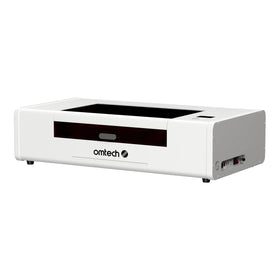
For a smaller operation with less floor space, the Polar Lite 55W Desktop CO2 Laser Engraver and Cutter sits on a bench. Compact footprint. Real laser power for the size. Good for a one-person shop that doesn't have room for a full cabinet machine but still needs reliable daily use.
CO2 is the best laser engraver category for non-metal materials at any scale. See the full CO2 laser machines collection to compare table sizes and power levels side by side.
Best Fiber Laser Engraver: When Your Work Is Metal
Fiber is a different category entirely. It doesn't cut wood. It marks metal. Stainless steel, aluminum, brass, titanium, copper. Bare metal surfaces absorb the fiber wavelength cleanly and hold a permanent mark without any coating.
Metal workshops, jewelry businesses, knife makers, gun shops, and custom parts manufacturers all use fiber laser engravers regularly. The marks don't fade. No paint. No chemical. Just the laser burning a precise, permanent trace into the surface.
The Galvo Fiber 20/30/50W Autofocus Laser Marking Machine is the kind of fiber machine a small metal shop actually runs. The galvo head moves fast. Autofocus handles different part heights without manual adjustments. You load a job, hit go, pull the part. Good for shops doing short runs of custom work where setup time matters.
According to Wikipedia's overview of laser engraving, fiber lasers are especially suited for metal marking because of the material's high absorption rate at the 1064nm wavelength. That translates to permanent, high-contrast marks even on polished surfaces.
For higher production volume, the Galvo 50W version runs faster and handles harder alloys more consistently.

Best Laser Engraver for Small Business: Match the Machine to the Revenue Model
This question gets answered wrong a lot. People ask what the best laser engraver for small business is, and they get pointed at a cheap machine with a low price tag and no real production capability.
The honest version: your machine needs to match your output, not just your budget.
A gift shop doing ten orders a week has different needs than a sign company doing thirty custom pieces daily. Both are "small businesses." Very different machines.
For lower volume custom work, a mid-range CO2 at 60W with a decent table covers most jobs. You won't outgrow the power. You might outgrow the speed eventually.
For real daily production, 80W to 100W CO2 or a dedicated fiber machine for metal work is the right range. The price is higher. The capability matches the job.
One thing that gets overlooked: support and serviceability. A cheap laser engraver with no parts availability and no support turns into an expensive paperweight when something breaks. OMTech machines come with US-based support and accessible replacement parts. That matters when your income depends on the machine running.
Best Laser Engraver for Beginners: Don't Buy Too Small
Most advice for beginners says start cheap. That's not always right.
If you're starting a business, buying a machine you'll outgrow in three months costs more in the end. You buy the small one. You max out its capabilities. You buy a bigger one. You spent money twice.
A better approach: figure out what you're making and buy the minimum machine that runs that work comfortably. Not the cheapest. The right size.
For beginners making wood signs and gifts, a 60W CO2 machine is a reasonable starting point. It handles real work. It's not a toy. You have room to grow into it.
For beginners interested in metal work, a 20W or 30W fiber galvo is the entry point. It marks stainless and aluminum cleanly. It's not complicated to operate. LightBurn or EzCad2 software handles the job management side without a steep learning curve.
A couple of practical notes for new operators:
-
Budget for ventilation before day one. Laser machines produce fumes. Wood smoke, acrylic gas, leather odor. You need exhaust, not just a fan.
-
Expect a break-in period. First week is mostly test cuts and learning your settings. That's normal.
-
Keep your lens clean. A dirty lens cuts slower and marks weaker. Five minutes of cleaning saves hours of confusion about why the machine "stopped working."
What the "Best" Rating Actually Means
Best for wood is different from best for metal. Best for a beginner is different from best for a shop running forty hours a week.
The machine that gets the most buzz online isn't always the one that holds up in a real work environment. Popularity and durability aren't the same thing.
For any serious business use, the questions that actually matter are: Does it handle my material at the speed I need? Does it have support when something goes wrong? Can I get replacement parts without a three-week wait?
Those questions matter more than which machine shows up at the top of a review list.
FAQs
What is the best laser engraver for wood?
A 60W to 100W CO2 machine covers most wood work. For small business volume, 80W with a 20 x 28 inch or larger table is a practical choice that handles daily use well.
What is the best CO2 laser engraver for small business?
Depends on your output. Light volume: 60W machine. Regular daily production: 80W to 100W with an integrated chiller. High volume sign work: 130W with a large table.
What is the best fiber laser engraver for metal marking?
A 20W to 50W galvo fiber machine handles most small shop metal marking jobs. The galvo design marks fast. Autofocus reduces setup time between different part heights.
Is a cheap laser engraver worth it for a beginner starting a business?
Not usually. A machine you outgrow in two months means buying twice. Start with the minimum that handles your real jobs, not the minimum that handles nothing.
What software works with OMTech laser engravers?
LightBurn works with CO2 and many fiber models. EzCad2 is standard for fiber marking machines. Both are practical and used widely in real shops.