







Top 10 Classroom DIY Laser Projects
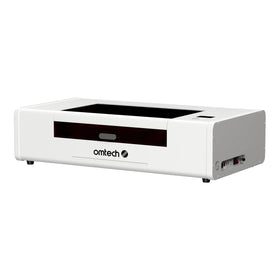
The arrival of a classroom laser cutter is often the single most exciting addition to a school’s technology lab. For students in K-12 and up, it shifts the dynamic from passive consumption of design to active digital fabrication. They can design a concept on a screen and hold a precise, physical iteration in their hands only minutes later.
This rapid feedback loop makes the laser an ideal vehicle for teaching Design Thinking and CAD/CAM principles. However, the initial challenge for many educators is identifying projects that are safe, budget-friendly, and easy to implement within a packed technology education curriculum.
Here are the Top 10 Classroom DIY Laser Projects, curated specifically for easy implementation by teachers, school clubs, and makerspace coordinators.
Project 1: Name Bookmarks
The Perfect First Project for Any Grade Level
Grade Level: K-12 (adapt complexity by grade) Time Required: 1-2 class periods (45-90 minutes total) Materials Cost: $0.50-$2 per student Difficulty: Beginner Best For: First-time laser users, ice breakers, beginning of year

Why This Project Works
Bookmarks are the ideal introductory laser project because:
- Small size = quick production time (5 minutes or less per bookmark)
- Minimal material cost
- Immediate practical use
- Easy to personalize
- Hard to "mess up"
- Every student gets to take something home the first day
Materials Needed
Per Student:
- Wood veneer or thin plywood (1/8" or thinner): 2" × 6" piece
- Sandpaper (220 grit)
- Optional: ribbon or tassel, hole punch
- Optional: wood stain or finish
Classroom Set:
- Computer with design software
- Laser cutter access
- Safety equipment
Learning Objectives
Students will:
- Learn basic design software navigation
- Understand laser cutting vs. engraving
- Practice precise measurement
- Create personalized functional item
- Follow safety protocols
- Experience complete design-to-product workflow
Curriculum Connections
Language Arts: Name recognition, font selection, letter spacing Art: Design principles, composition, visual balance Math: Measurement, geometry, scaling Technology: Digital fabrication, software literacy
Step-by-Step Implementation
Teacher Preparation (Before Class):
- Set Up Design Template:
- Create 2" × 6" rectangle in design software
- Add guidelines for safe margins (0.25" from edges)
- Save as template file
- Test cut on scrap material
- Prepare Materials:
- Pre-cut wood pieces to approximate size (or purchase pre-cut)
- Sand pieces smooth if needed
- Organize into sets for distribution
- Create Sample:
- Make your own bookmark to show students
- Document any issues encountered
- Adjust settings if needed
Day 1: Design (45 minutes)
Introduction (10 minutes):
- Show completed sample bookmark
- Explain project goals
- Demonstrate design software basics
- Review design constraints (size, margins)
Guided Practice (25 minutes):
For Elementary (K-5):
- Provide pre-made templates with blanks for name
- Students type their name
- Choose from 3-4 pre-approved fonts
- Add one simple clipart image
- Teacher checks each design
For Middle School (6-8):
- Students open template
- Add name in chosen font
- Include personal interest image or symbol
- Optional: add decorative border
- Learn about engraving vs. cutting layers
- Peer review designs
For High School (9-12):
- More complex design freedom
- Multiple fonts and elements allowed
- Practice with layering
- Add decorative engraved elements
- Create original artwork in design software
- Critique session
File Preparation (10 minutes):
- Teacher reviews and approves each design
- Save files with naming convention: "Period_LastName_Bookmark"
- Load onto laser control computer
- Organize cutting order
Day 2: Production (45 minutes)
Class Setup (5 minutes):
- Review laser safety rules
- Assign student roles:
- Operators (run laser under supervision)
- Observers (watch and document)
- Quality control (check finished pieces)
- Next in line (prepare their material)
Production Process (35 minutes):
Batch Processing:
- Groups of 4-5 students per rotation
- Each group gets 10-minute laser session
- While one group uses laser, others:
- Sand their finished pieces
- Apply finish/stain if desired
- Begin next project design
- Complete reflection worksheet
Laser Operation:
- Student places their wood piece in laser
- Teacher/student assistant focuses laser
- Student previews their design
- Teacher approves
- Student presses start (or teacher, depending on age)
- Student monitors operation
- Remove and inspect finished piece
Finishing (5 minutes):
- Final sanding if needed
- Optional: punch hole and add ribbon
- Quality check
- Sign name on back
Differentiation Strategies
For Struggling Students:
- Provide very simple template
- Pre-select fonts that are easy to read
- Limit to name only
- Pair with helper student
- Extended time for design
For Advanced Students:
- Design both sides (engrave on back)
- Create themed series (set of 3-5 matching bookmarks)
- Design as gifts (family members' names)
- Add QR code linking to favorite book
- Experiment with different materials
For Students with Disabilities:
- Screen reader compatible design software
- Large-button interface options
- Voice input for text
- Partner system for physical manipulation
- Extended time as needed
Assessment
Design Process (40%):
- Followed template guidelines
- Appropriate font selection
- Proper sizing and spacing
- File saved correctly
- Design approved by teacher
Technical Skills (30%):
- Participated in laser operation
- Followed safety protocols
- Monitored operation attentively
- Proper material handling
Final Product (20%):
- Clean cuts/engraves
- Finished smoothly
- Meets size specifications
- Professional appearance
Reflection (10%):
- What did you learn?
- What would you do differently?
- What was challenging?
- What do you want to make next?
Real Classroom Success Story
"I was nervous about introducing laser cutting to my 4th graders, but bookmarks were the perfect starting point. Every single student was successful, and the confidence it gave them carried through the rest of our maker unit. Several students designed bookmarks for family members as holiday gifts. One student who typically struggles with writing assignments was completely engaged—it was the first project all year where he asked to do extra work!" — Ms. Johnson, 4th Grade Teacher, Lincoln Elementary
Extension Ideas
Create a Classroom Library:
- Design bookmarks for classroom book genres
- Romance → heart design
- Mystery → magnifying glass
- Science Fiction → rocket
- Students check out bookmarks with books
Fundraiser:
- Sell custom bookmarks at school events
- Take orders for personalized versions
- Donate proceeds to library or literacy program
Gift Campaign:
- Partner with local library
- Create bookmarks for community distribution
- Include "Reading is..." positive messages
- Service learning component
Project 2: Geometric Coasters (Set of 4)
Perfect for Math and Art Integration
Grade Level: 4-12 Time Required: 2-3 class periods Materials Cost: $2-4 per set Difficulty: Beginner-Intermediate Best For: Geometry units, art classes, gift making

Why This Project Works
Coasters combine mathematical concepts with practical design:
- Explore tessellation and geometric patterns
- Practice precision measurement
- Create functional household item
- Opportunity for artistic expression
- Scalable difficulty (simple to complex patterns)
- Great gift for parents, teachers, community members
Materials Needed
Per Student Set (4 coasters):
- 4 pieces of wood or bamboo: 4" × 4" × 1/8"
- Cork or felt backing adhesive sheets (optional)
- Sandpaper (220 grit)
- Food-safe finish (mineral oil or beeswax)
Learning Objectives
Students will:
- Apply geometric concepts (shapes, symmetry, tessellation)
- Understand pattern design and repetition
- Calculate dimensions for consistent sets
- Practice precision in design and production
- Explore positive and negative space
- Create cohesive design series
Curriculum Connections
Mathematics:
- Geometry: shapes, angles, symmetry, tessellation
- Measurement: precision, units, scaling
- Patterns and sequences
Art:
- Design principles: balance, repetition, unity
- Positive/negative space
- Series creation
Science:
- Materials science: wood properties
- Heat transfer (why coasters work)
Step-by-Step Implementation
Teacher Preparation:
- Create Design Guidelines Document:
- Coaster size: 4" × 4" (standard)
- Border requirements: 0.25" minimum
- File format specifications
- Design style examples
- Prepare Material:
- Cut or purchase pre-cut 4" × 4" squares
- Sand all pieces smooth
- Test laser settings on scrap
- Create Examples:
- Make sample set showing range of complexity
- Simple geometric (circles, triangles)
- Medium complexity (interlocking shapes)
- Advanced (intricate tessellation)
Day 1: Geometric Exploration and Design (50 minutes)
Introduction (15 minutes):
Elementary/Middle School:
- Review basic geometric shapes
- Show examples of tessellation
- Discuss symmetry in nature and design
- Introduce concept of pattern repetition
High School:
- Explore advanced geometric concepts
- Research cultural geometric patterns (Islamic art, Celtic knots, Native American designs)
- Discuss mathematical principles in art
- Examine contemporary geometric design
Design Activity (25 minutes):
Scaffolded Approach:
Level 1 (Beginner):
- Provide geometric shape template library
- Students select and arrange shapes
- Create one pattern, repeat across 4 coasters
- Focus on composition and spacing
Level 2 (Intermediate):
- Students create original geometric pattern
- Incorporate 3-4 different shapes
- Design themed set (seasons, elements, etc.)
- Experiment with rotation and reflection
Level 3 (Advanced):
- Design complex tessellation
- Each coaster unique but unified by theme
- Incorporate mathematical ratios (golden ratio, Fibonacci)
- Create visual progression across set
Technical Setup (10 minutes):
- Convert design to laser-ready files
- Set layers for engraving vs. cutting
- Check dimensions (exact 4" × 4")
- Test fit on material template
Day 2-3: Production and Finishing
Laser Production:
- Batch process by groups
- Each coaster takes 8-15 minutes
- Students work on finishing while waiting
Finishing Process:
- Sand any rough edges
- Clean off residue
- Apply food-safe finish
- Let dry
- Optional: add cork backing
STEM Challenge Extension
"The Perfect Coaster" Design Challenge:
Problem: Design coasters that are:
- Aesthetically pleasing
- Functional (protect surfaces)
- Durable
- Consistent in a set
Challenge Components:
Engineering:
- Test different thicknesses
- Experiment with material types
- Calculate optimal size
Science:
- Test absorption with different finishes
- Measure heat transfer
- Durability testing
Math:
- Calculate material costs
- Optimize layout to minimize waste
- Price products for sale
Technology:
- CAD design skills
- Digital fabrication
- Quality control
Assessment:
- Presentation of findings
- Documentation of testing
- Refined design based on data
Real Classroom Success Story
"My 7th graders were struggling with geometry—it felt abstract and boring to them. When we designed geometric coasters, suddenly symmetry, tessellation, and angles mattered. They could see math becoming something beautiful and functional. One student who claimed to 'hate math' spent hours perfecting an intricate Islamic-inspired tessellation pattern. That set of coasters sits on my desk as a reminder that the right project can transform a student's relationship with a subject." — Mr. Rodriguez, 7th Grade Math Teacher
Project 3: Custom Puzzles
Cognitive Development Meets Digital Fabrication
Grade Level: K-12 (complexity varies dramatically) Time Required: 2-4 class periods Materials Cost: $3-6 per puzzle Difficulty: Intermediate Best For: Special education, elementary, art class, cognitive learning

Why This Project Works
Puzzles are uniquely versatile:
- Elementary: Create puzzles for younger students
- Middle School: Design puzzles showing mastery of content
- High School: Create educational puzzles for community partners
- Cross-curricular applications (any subject can be puzzled)
- Develops spatial reasoning
- Service learning opportunity
- Differentiation built-in
Materials Needed
Per Puzzle:
- Plywood (1/4" thick): 8" × 10" or size of choice
- Printed image or drawn design
- Adhesive (Mod Podge or similar)
- Sandpaper
- Clear coat finish
Alternative:
- Laser engrave image directly onto wood (no printing needed)
Learning Objectives
Students will:
- Plan piece complexity appropriate to age level
- Design interlocking pieces
- Understand cognitive development stages
- Apply subject knowledge to puzzle design
- Consider end-user needs (who will solve this?)
- Practice iterative design
Project Variations by Grade Level
K-2: Simple Shape Puzzles (4-8 pieces)
Design Focus:
- Large, simple pieces
- No intricate interlocking
- High contrast images
- Familiar subjects (animals, vehicles)
Process:
- Teacher provides template
- Students color/draw image
- Teacher scans and prepares for laser
- Cut into 4-8 pieces
Learning Focus:
- Shape recognition
- Color and design
- Following directions
3-5: Content-Based Puzzles (12-20 pieces)
Design Examples:
- U.S. map (states as puzzle pieces)
- Solar system diagram
- Water cycle illustration
- Math facts practice (match problem on one piece to answer on connecting piece)
Process:
- Students research topic
- Create accurate diagram/illustration
- Design with educational purpose
- Cut into appropriate number of pieces
Learning Focus:
- Content knowledge demonstration
- Educational design
- Creating teaching tools for others
6-8: Complex Image Puzzles (25-50 pieces)
Design Examples:
- Original artwork
- Historical scene illustration
- Scientific diagram (cell, ecosystem, etc.)
- Literary scene depiction
Process:
- Create or find image
- Design puzzle piece layout
- Consider difficulty level for intended audience
- Test and refine
Learning Focus:
- Complex design
- User experience consideration
- Fabrication planning
9-12: Mechanical or 3D Puzzles (Advanced)
Design Examples:
- Interlocking burr puzzles
- Assembly puzzles (3D structures)
- "Impossible" puzzles with tricks
- Personalized photo puzzles as gifts
Process:
- CAD design if 3D
- Precision tolerance calculation
- Prototype and test
- Refine based on testing
Learning Focus:
- Engineering principles
- Tolerance and fit
- Complex problem-solving
- Quality control
Step-by-Step Implementation
Planning Phase:
- Define Purpose:
- Who is this puzzle for?
- What is the educational goal?
- What age/skill level is appropriate?
- Select/Create Image:
- Original student artwork, OR
- Subject-relevant diagram/map, OR
- Photograph (ensure copyright compliance)
- Design Puzzle Cut Pattern:
- Determine number of pieces
- Sketch piece layout
- Design interlocking tabs (or straight edges for younger audiences)
Production Phase:
Method 1: Printed Image on Wood
- Print image at exact puzzle size
- Adhere to wood using Mod Podge
- Let dry completely
- Apply clear coat for protection
- Laser cut puzzle pieces through printed image
Method 2: Laser Engraved Image
- Prepare image for engraving (high contrast)
- Engrave image onto wood first
- Cut puzzle pieces around engraved image
- Apply finish
Testing Phase:
- Assemble puzzle to ensure all pieces fit
- Give to intended audience for testing
- Document feedback
- Refine if needed
Service Learning Extension: "Puzzles for Learning"
Project Concept: Students create educational puzzles for elementary classrooms or special education programs
Implementation:
- Partner with elementary teachers
- Identify needed educational content
- Students design age-appropriate puzzles
- Test with target audience
- Deliver finished products
- Reflect on impact
Student Responsibilities:
- Research appropriate cognitive level
- Design clear, educational content
- Ensure quality production
- Write usage instructions for teachers
- Reflect on teaching and learning process
Learning Outcomes:
- Understanding of cognitive development
- Responsibility to authentic audience
- Teaching reinforces learning
- Community connection
Assessment
Design (35%):
- Appropriate complexity for audience
- Clear, engaging image
- Well-planned piece layout
- Interlocking pieces functional
Production (25%):
- Clean cuts
- Pieces fit together properly
- Professional finishing
- Durable construction
Educational Value (25%):
- Content accuracy
- Age-appropriate
- Clear learning objective
- Engaging for intended user
Reflection (15%):
- Consider user needs
- Iterative improvement
- Impact analysis
- Future improvements
Project 4: Classroom Nameplates/Desk Tags
Personalization Meets Classroom Management
Grade Level: K-12 Time Required: 1-2 class periods Materials Cost: $0.75-$2 per student Difficulty: Beginner Best For: Beginning of year, classroom community building

Why This Project Works
Desk nameplates serve multiple purposes:
- Student ownership of space
- Visual aid for names (teacher and students)
- Personalization opportunity
- Quick project with immediate classroom use
- Can incorporate student interests/identity
- Develops classroom community
Materials Needed
Per Student:
- Wood or acrylic: 6" × 2" × 1/8"
- Small stand (3D print, buy, or create from wood)
- Optional: magnets for metal desks
- Sandpaper and finish
Design Options by Grade Level
Elementary (K-5):
- Name prominently displayed
- Favorite color background
- Small icon representing interest (soccer ball, book, music note)
- Simple, readable font
Middle School (6-8):
- Name and optional nickname
- Pronouns (optional)
- Interest icons or symbols
- More complex design possible
- Dual-sided (name on front, info on back)
High School (9-12):
- Sophisticated design
- Can include:
- Name and pronouns
- Subject area (if rotating classrooms)
- QR code to portfolio/project
- Leadership positions
- Achievements/interests
Step-by-Step Implementation
Day 1: Design
Introduction (10 minutes):
- Explain purpose of nameplates
- Show range of examples
- Discuss what makes effective design
- Review size constraints
Design Activity (30 minutes):
- Open design template (6" × 2")
- Type name in chosen font
- Add interest icons or symbols
- Experiment with layout
- Optional: design decorative border
- Peer feedback
File Prep (10 minutes):
- Teacher reviews designs
- Check spelling (important!)
- Approve and save files
- Organize for laser
Day 2: Production
Laser Time:
- Fast production (3-5 minutes each)
- Can produce whole class in one period
- Students finish while waiting their turn
Stand Creation:
- If creating stands from wood:
- Simple notched stand design
- Cut base and upright
- Glue together
- Alternative: use purchased stands
- Alternative: magnetic backing
Assembly and Finishing:
- Sand smooth
- Apply finish if desired
- Attach to stand/magnetic backing
- Place on desk
Curriculum Connections
Language Arts:
- Name significance research
- Identity exploration writing
Art:
- Icon design
- Typography
- Visual identity
Social Studies:
- Cultural names and meanings
- Personal heritage exploration
SEL (Social-Emotional Learning):
- Self-expression
- Identity development
- Classroom community
- Respect for individual differences
Extension: "Name Story" Project
Combine nameplates with research and presentation:
- Research: Students investigate their name
- Meaning and origin
- Why parents chose it
- Cultural significance
- Famous people with same name
- Design: Nameplate incorporates name story elements
- Symbols representing meaning
- Cultural design elements
- Personal significance icons
- Present: Share name story with class
- 2-minute presentation
- Display nameplate
- Learn about classmates
Learning Outcomes:
- Personal identity exploration
- Cultural awareness
- Public speaking
- Community building
Project 5: Science Lab Equipment Labels
Organization Meets Practical Application
Grade Level: 6-12 (elementary: teacher creates) Time Required: 2-3 class periods Materials Cost: $10-20 for complete lab set Difficulty: Beginner-Intermediate Best For: Science classes, organizational systems, practical applications

Why This Project Works
Lab labels solve real problems:
- Actual need in science classroom
- Practical application of skills
- Visible daily impact
- Can be replicated for other subjects
- Students take ownership of space
- Teaches scientific organization
Materials Needed
For Complete Lab Set:
- Acrylic sheets (various colors): 2-3 sheets
- Adhesive backing (if not using magnets/mounting holes)
- Optional: QR code capability
Types of Labels to Create
Equipment Labels:
- Beaker storage (by size: 50mL, 100mL, 250mL, etc.)
- Microscope stations (numbered)
- Balance stations
- Safety equipment locations
- Tool drawer labels
Material Labels:
- Chemical storage (with hazard symbols)
- Consumables (cotton balls, filters, etc.)
- Glassware types
- Equipment categories
Safety Signage:
- Eye wash station
- Safety shower
- Fire extinguisher
- First aid kit
- Safety equipment storage
- Emergency procedures
Procedure Signage:
- Lab station instructions
- Equipment operation guides
- Safety protocol reminders
- Cleanup procedures
Step-by-Step Implementation
Planning Phase (Day 1):
Activity: Lab Audit
- Walk through science lab/classroom
- Identify all items needing labels
- Measure spaces for label dimensions
- Categorize by type
- Create comprehensive list
Priority System:
- Critical safety items: first priority
- Frequently used equipment: second
- Storage organization: third
- Nice-to-have items: fourth
Design Phase (Day 1-2):
Design Standards: Create consistent design system:
- Font family (same throughout)
- Color coding system:
- Red: safety/hazard
- Yellow: caution
- Blue: information
- Green: go/safe
- Size standards:
- Large: 4" × 2" (major equipment)
- Medium: 2" × 1" (drawer labels)
- Small: 1" × 0.5" (chemical labels)
Student Teams: Divide class into design teams:
- Safety team: emergency equipment labels
- Storage team: drawer and cabinet labels
- Equipment team: lab station labels
- Chemical team: substance labels
Each Team:
- Design their category of labels
- Follow established design standards
- Include necessary information:
- Item name
- Location code (if applicable)
- Safety symbols (if needed)
- QR code to digital info (advanced)
- Get teacher approval
- Prepare files for laser
Production Phase (Day 2-3):
Laser Production:
- Organize files by material/color
- Batch process similar items
- Quality control check
- Sand edges if needed
Installation:
- Clean surfaces before applying
- Measure and mark placement
- Apply labels using:
- Adhesive backing, or
- Magnetic tape (removable), or
- Mounting holes with screws
- Test visibility and readability
- Make adjustments as needed
Extension: Digital Integration
QR Code Labels:
Create labels with QR codes linking to:
- Equipment operation videos (student-created)
- Safety data sheets (chemicals)
- Instructional guides
- Inventory tracking
- Equipment checkout system
Process:
- Create digital content
- Generate QR code
- Incorporate into label design
- Test scanning before finalizing
Transferable Skills: Label Systems for Other Subjects
Once students master lab labeling, apply to:
Art Room:
- Tool storage
- Material organization
- Safety equipment
- Project storage
Library/Media Center:
- Genre labels
- Dewey decimal signage
- Computer station numbers
- Resource locations
Makerspace:
- Tool organization
- Material storage
- Safety zones
- Project workflow stations
Music Room:
- Instrument storage
- Sheet music organization
- Equipment locations
Assessment
Planning (25%):
- Comprehensive lab audit
- Organized list of needs
- Appropriate prioritization
- Team collaboration
Design (35%):
- Consistent design system
- Clear, readable text
- Appropriate sizing
- Professional appearance
- Follows safety color standards
Production (25%):
- Clean laser cuts
- Proper material selection
- Quality finishing
- Accurate placement
Functionality (15%):
- Labels serve intended purpose
- Improve lab organization
- Enhance safety
- Durable and long-lasting
Project 6: Stencils for Art and Design
Create Tools to Create More Art
Grade Level: 3-12 Time Required: 2-3 class periods Materials Cost: $2-5 per stencil set Difficulty: Intermediate Best For: Art classes, design thinking, tool creation

Why This Project Works
Stencils are meta-creative:
- Students make tools for making art
- Reusable for multiple projects
- Can be complex or simple
- Teaches negative space
- Applicable to many art forms (painting, spray paint, textile design)
- Can sell/gift stencil sets
Materials Needed
Per Stencil Set:
- Mylar plastic sheets or thin plywood (1/8")
- Masking tape (if creating stencil series)
- Storage folder/envelope
Types of Stencils to Create
Letter and Number Stencils:
- Custom fonts
- Decorative alphabets
- Specific size sets
- Themed (holidays, seasons)
Shape and Pattern Stencils:
- Geometric shapes for tessellation
- Mandala guides
- Border and corner designs
- Repeating patterns
Image Stencils:
- Nature (leaves, flowers, animals)
- Symbols and icons
- Cultural designs
- Pop culture (school appropriate)
Functional Stencils:
- Rulers with decorative elements
- Graph paper makers
- Margin guides for journals
- Planning templates
Step-by-Step Implementation
Day 1: Understanding Stencils
Introduction (15 minutes):
- Show stencil examples and resulting art
- Explain positive vs. negative space
- Discuss "bridges" (connecting parts)
- Demonstrate stencil use
Key Concept: Connected Design
Critical teaching point: All parts of stencil must connect, or internal pieces will fall out.
Activity: Paper Stencil Practice
- Fold paper in half
- Cut design (snowflake style)
- Unfold to reveal connected stencil
- Discuss what worked/what didn't
Design Phase (30 minutes):
Design Challenge: Create stencil set based on theme:
- Seasons (4 stencils)
- Elements (earth, air, fire, water)
- Story characters
- Scientific symbols
- Mathematical symbols
Design Requirements:
- All parts must connect
- Bridges should be aesthetically integrated
- Clear, recognizable images
- Appropriate detail level for cutting
Day 2: Technical Design and Production
Digital Design (20 minutes):
- Translate sketches to design software
- Ensure all floating pieces have bridges
- Test design logic (will it work?)
- Create cut lines (not engrave)
Teacher Review: Check each design for:
- Proper connections
- Appropriate detail level
- Suitable bridge placement
- Correct file setup
Production (25 minutes):
- Cut stencils (fast: 3-5 minutes each)
- Quality check for:
- Clean cuts
- No incomplete cuts
- Bridges intact
- Smooth edges
Testing:
- Use stencil to create sample art
- Verify design works as intended
- Identify any problems
- Refine if needed
Cross-Curricular Applications
Art Class: Pattern Design
- Create tessellation stencils
- Layer multiple stencils
- Explore color theory through stenciling
- Create final artworks for display
Social Studies: Cultural Design
- Research cultural patterns
- Design stencils inspired by:
- Islamic geometric art
- Celtic knots
- Native American designs (with cultural sensitivity)
- African textile patterns
- Create multicultural pattern portfolio
Science: Scientific Illustration
- Anatomy stencils (cell parts, body systems)
- Taxonomy identification guides
- Ecosystem element stencils
- Lab notebook decorative stencils
Math: Geometric Exploration
- Polygon stencils
- Angle guides
- Fraction visualization tools
- Coordinate plane templates
Extension Project: Stencil Art Campaign
Concept: Create large-scale stencil art for school
Possible Campaigns:
- School spirit murals
- Anti-bullying messages
- Environmental awareness
- Reading promotion
- STEM celebration
Process:
- Design stencils with message/theme
- Get administrator approval
- Plan mural layout
- Create large stencils (laser cut larger sheets or tile small pieces)
- Paint mural using stencils
- Document project
- Reflect on impact
Note: Ensure all permanent installations have proper approval!
Assessment
Design (40%):
- Proper bridge connections
- Aesthetically integrated bridges
- Clear, recognizable image
- Appropriate complexity
- Original or properly sourced design
Technical (30%):
- Correct file setup
- Clean laser cuts
- Durable construction
- Professional finish
Application (20%):
- Stencil functions as intended
- Produces clear images
- Can be used repeatedly
- Creates desirable results
Creativity (10%):
- Original approach
- Artistic merit
- Theme coherence
Project 7: Game Pieces and Educational Manipulatives
Learning Tools Students Create
Grade Level: 4-12 (teacher-designed for K-3) Time Required: 3-5 class periods (depends on game complexity) Materials Cost: $5-15 per game set Difficulty: Intermediate-Advanced Best For: Math class, game design, educational tool creation

Why This Project Works
Creating learning tools reinforces learning:
- Teaching something is the best way to learn it
- Authentic purpose (actual use in classroom)
- Problem-solving (what makes good manipulative?)
- Game design principles
- Can benefit younger students
Types of Educational Manipulatives
Math Manipulatives:
- Fraction circles/bars
- Base-ten blocks (flat versions)
- Pattern blocks
- Tangram sets
- Geometric shape sets
- Number tiles
- Operation symbols
Language Arts Tools:
- Letter tiles
- Word building kits
- Story cubes (images on sides)
- Grammar symbol pieces
- Punctuation manipulatives
Science Models:
- Molecule model connectors
- Food chain/web pieces
- Anatomy puzzle pieces
- Rock cycle diagram pieces
- Ecosystem component pieces
Social Studies Tools:
- Map puzzle pieces
- Timeline components
- Historical figure cards
- Culture symbol sets
Board Games:
- Custom game boards
- Unique game pieces
- Dice and spinners
- Card holders
- Score trackers
Featured Project: Fraction Visualization Kit
Grade Level: 5-8 (creating for 3-5 use) Learning Objectives:
For Creators (5-8):
- Master fraction concepts to teach them
- Design effective teaching tools
- Consider user experience
- Test and refine educational materials
For Users (3-5):
- Visual fraction understanding
- Equivalent fractions
- Fraction operations
Design Specifications:
Components:
- Circular fraction pieces showing:
- Whole (1/1)
- Halves (1/2)
- Thirds (1/3)
- Fourths (1/4)
- Fifths (1/5)
- Sixths (1/6)
- Eighths (1/8)
- Tenths (1/10)
- Twelfths (1/12)
Design Features:
- Each denominator different color
- Fractions labeled clearly
- Pieces fit together to show equivalency
- Storage box with labeled sections
Implementation:
Day 1: Research and Planning
- Review fraction concepts
- Research existing manipulatives
- Identify what makes effective teaching tool
- Sketch initial designs
Day 2-3: Design and Prototype
- Create digital designs
- Ensure pieces fit together properly
- Label clearly
- Choose appropriate colors
- Test prototype with teacher
Day 4: Production
- Cut complete sets
- Color code (paint or use colored materials)
- Create labels
- Assemble storage box
Day 5: Field Testing
- Introduce to younger students
- Observe how they use pieces
- Identify confusion points
- Gather feedback
- Document effectiveness
Refinement:
- Adjust based on testing
- Improve labeling if needed
- Enhance color coding
- Update instructions
Project: Custom Board Game Design
Grade Level: 6-12 Time Required: 4-6 class periods Learning Focus: Game design, playtesting, iteration
Process:
Phase 1: Conceptualization
- Choose game theme
- Define learning objectives (what will players learn?)
- Decide game mechanics (roll-and-move, strategy, trivia, etc.)
- Sketch rough board layout
Phase 2: Design
- Create board design in software
- Design game pieces
- Create card decks (if applicable)
- Design dice or spinners
- Write rule book
Phase 3: Prototype
- Laser cut initial version
- Create paper cards
- Assemble prototype
Phase 4: Playtesting
- Play with classmates
- Document issues:
- Too easy/hard?
- Too long/short?
- Confusing rules?
- Balance problems?
- Gather feedback
Phase 5: Iteration
- Revise based on feedback
- Recut components as needed
- Refine rules
- Playtest again
Phase 6: Final Production
- Create polished final version
- Professional finishing
- Complete rule book
- Attractive packaging
Assessment:
- Educational value
- Playability
- Iteration quality
- Professional presentation
Extension: Game Library
Create class game library:
- Each student contributes finished game
- Games available for:
- Free time
- Review sessions
- Indoor recess
- Sub day activities
- Students maintain library
- Add games each semester
Project 8: Personalized Stamps and Ink Blocks
Repetition and Pattern Creation Tools
Grade Level: 3-12 Time Required: 2-3 class periods Materials Cost: $3-7 per stamp Difficulty: Intermediate Best For: Art class, design class, printmaking unit

Why This Project Works
Stamps combine multiple art concepts:
- Printmaking fundamentals
- Positive/negative space reversal
- Design simplification
- Pattern creation through repetition
- Personalization opportunity
- Functional art tool
Materials Needed
Per Stamp:
- Rubber stamping material or linoleum alternative
- Wood block for mounting (2" × 2" × 3/4")
- Adhesive
- Stamp pad or ink
Alternative:
- Laser engrave stamp directly into wood (works for deeper engravings)
Types of Stamps to Create
Personal Stamps:
- Name stamps
- Monogram
- Personal symbol/logo
- Signature mark
Decorative Stamps:
- Border elements
- Corner designs
- Pattern units
- Texture stamps
Functional Stamps:
- "Graded" / "Checked" (for student teachers)
- Library book stamps
- Organization labels
- Reward stamps
Art Stamps:
- Create pattern through repetition
- Layering multiple stamps
- Background texture
- Design element library
Technical Considerations
Design for Stamps:
Key Differences from Regular Design:
- Image will be reversed (mirror)
- Simple designs work best
- High contrast (no gradients)
- Lines must be substantial (minimum 1mm thick)
- Small details may not transfer well
Critical Step: Mirror Image Text and directional images MUST be mirrored before cutting or they'll be backwards when stamped.
Step-by-Step Implementation
Day 1: Introduction and Design
Printmaking Background (15 minutes):
- Show historical printing examples
- Explain relief printing process
- Demonstrate stamp usage
- Discuss positive/negative space
Design Activity (30 minutes):
Practice Exercise:
- Draw simple design (star, heart, geometric shape)
- Identify which parts will be raised (print)
- Identify which parts will be cut away (don't print)
- Consider line thickness
Final Design:
- Create original design (1.5" × 1.5" or 2" × 2")
- Keep it simple!
- Bold lines, clear shapes
- Remember: it will be reversed
Technical Prep (5 minutes):
- Mirror image in software
- Check line thickness
- Prepare for engraving (not cutting)
- Set appropriate depth
Day 2: Production and Testing
Laser Production:
- Engrave stamps into rubber material
- Monitor depth (deep enough to print clearly)
- Cut out stamp shapes
- Adhere to wooden blocks
Testing:
- Apply ink to stamp
- Test print on scrap paper
- Evaluate quality:
- Are lines clear?
- Is image complete?
- Any areas need adjustment?
If problems: Re-engrave with adjusted settings
Application Projects:
- Create pattern design using stamp
- Design greeting card
- Create wrapping paper
- Decorate journal covers
Art Class Integration: Pattern Design Unit
Project: Repeating Pattern Using Custom Stamps
Sequence:
- Week 1: Design and create stamp
- Week 2: Create pattern through repetition
- Explore different arrangements
- Experiment with color
- Try layering multiple stamps
- Week 3: Final artwork using stamp
- Create cohesive composition
- Consider color theory
- Exhibit finished pieces
Learning Objectives:
- Understanding pattern and repetition
- Exploring design through constraint
- Color theory application
- Composition development
Extension: Business Concept
"Stamp Shop" Project (High School)
Concept: Design custom stamps for sale
Business Components:
- Market Research:
- Survey potential customers
- Research competitor pricing
- Identify niche markets
- Product Development:
- Create product line
- Design packaging
- Write product descriptions
- Cost Analysis:
- Material costs
- Production time
- Pricing strategy
- Marketing:
- Create catalog
- Social media strategy
- Sample promotions
- Sales:
- Pop-up shop at school event
- Online store
- Track sales data
- Analysis:
- Calculate profit/loss
- Customer feedback
- Lessons learned
Project 9: Architectural Models (STEM Integration)
Engineering Meets Design
Grade Level: 7-12 Time Required: 4-6 class periods Materials Cost: $8-15 per model Difficulty: Advanced Best For: STEM class, architecture unit, engineering design

Why This Project Works
Architectural modeling integrates multiple disciplines:
- Math: scaling, geometry, measurement
- Science: structural engineering, materials
- Engineering: design constraints, problem-solving
- Art: aesthetic design, presentation
- Technology: CAD, digital fabrication
Types of Architectural Models
Simple Buildings:
- Student-designed dream house
- School building replica
- Historical building reproduction
- Tiny house design
Complex Structures:
- Bridge designs (test load-bearing)
- Sustainable building concepts
- Urban planning projects
- Architectural style examples
Community Models:
- Neighborhood planning
- Park design
- Public space concept
- Campus improvements
Featured Project: Bridge Design Challenge
Engineering Challenge Format
Problem: Design a bridge that spans 12" gap and holds maximum weight
Constraints:
- Budget: $15 in materials
- Material: 1/8" plywood only
- No glue joints (interlocking only)
- Must be laser-cut (no hand cutting)
Process:
Day 1-2: Research and Design
- Research bridge types (truss, arch, suspension, beam)
- Study structural engineering principles
- Sketch initial concepts
- Calculate basic structural needs
Day 3: CAD Design
- Create precise digital model
- Design interlocking joints
- Calculate tolerances
- Optimize material usage
Day 4: Prototype and Test
- Laser cut first version
- Assemble without glue
- Test with weights
- Document failure points
Day 5: Iteration
- Redesign based on testing
- Improve weak points
- Refine joints
- Optimize structure
Day 6: Final Competition
- Cut final versions
- Assemble models
- Conduct weight testing
- Award categories:
- Strongest bridge
- Most efficient design (strength/weight ratio)
- Most aesthetic
- Most innovative
STEM Learning Outcomes:
Science:
- Physics: forces, load distribution, tension/compression
- Materials science: wood properties
- Structural failure modes
Technology:
- CAD software proficiency
- Digital fabrication
- Precision measurement
Engineering:
- Design process
- Iteration and testing
- Optimization
- Constraint management
Math:
- Scaling and proportion
- Geometric design
- Structural calculations
- Data analysis
Assessment
Design Process (30%):
- Research quality
- Initial concept development
- Iteration documentation
- Engineering notebook
Technical Execution (25%):
- CAD proficiency
- Precision of cuts
- Joint design
- Assembly quality
Performance (25%):
- Weight held
- Structural efficiency
- Meeting constraints
- Innovation
Presentation (20%):
- Model presentation
- Explanation of engineering decisions
- Data and testing results
- Reflection on process
Extension: Community Engagement
Project: School Improvement Proposal
Concept: Design architectural model for school improvement
Possibilities:
- Outdoor classroom design
- Courtyard redesign
- Makerspace layout
- Library renovation concept
- Athletic facility addition
Process:
- Identify need through surveys
- Research best practices
- Design scale model
- Present to administration
- Gather feedback
- Refine based on input
Real-World Connection:
- Authentic audience
- Potential for real implementation
- Community impact
- Professional presentation experience
Project 10: Holiday/Seasonal Classroom Decorations
Community Building Through Collaborative Design
Grade Level: K-12 (all grades can participate) Time Required: 2-4 class periods Materials Cost: $20-40 for whole class set Difficulty: Beginner-Intermediate Best For: Art class, seasonal units, community building

Why This Project Works
Seasonal decorations create community:
- Beautifies classroom/school environment
- Collective project builds connection
- Annual tradition potential
- Displays student creativity
- Can involve multiple classes/grade levels
- Flexible complexity by age
Seasonal Project Ideas
Fall/Autumn:
- Falling leaves garland
- Harvest theme decorations
- Thanksgiving gratitude display
- Fall color palette art
Winter/December:
- Snowflake decorations (every student designs unique one)
- Winter scene elements
- Holiday-neutral seasonal designs
- Community celebration themes
Spring:
- Flower garden installation
- New growth themes
- Earth Day environmental messages
- Rain and sunshine designs
End of Year:
- Collaborative final project
- Memory displays
- Achievement celebration
- Class legacy installation
Featured Project: "Snowflake Gallery"
Concept: Each student designs unique snowflake ornament
Why Snowflakes:
- Mathematically interesting (six-fold symmetry)
- No two alike (like students!)
- Beautiful when displayed together
- Clear success criteria
- Appropriate for all grades
Implementation:
Day 1: Snowflake Science and Design
Introduction (15 minutes):
- Snowflake formation science
- Hexagonal symmetry
- Fractal patterns in nature
- Examples of snowflake photography
Design Challenge: Design unique snowflake with:
- Six-fold radial symmetry
- Complex, interesting pattern
- Clear cut lines (will it work?)
- Personal design choices
Design Methods by Grade:
Elementary (K-5):
- Fold paper in sixths
- Cut design by hand
- Scan result for laser template
- Teacher creates laser files
Middle School (6-8):
- Use symmetry tools in software
- Create one sixth of snowflake
- Duplicate and rotate 6 times
- Create own laser file
High School (9-12):
- Design freehand or with tools
- Incorporate mathematical principles
- Add layered complexity
- Optimize for cutting
Day 2: Production and Assembly
Laser Production:
- Cut all snowflakes (goes quickly)
- Various sizes (3"-6" diameter)
- Different materials for variety:
- White acrylic (frosted look)
- Clear acrylic (icy)
- Wood (natural)
- Mirrored acrylic (sparkle)
Finishing:
- Sand edges if needed
- Add hanging string/wire
- Optional: glitter paint (younger students)
- Name on back
Installation:
- Hang from ceiling at varied heights
- Create "snowfall" effect
- Window display
- Gallery wall arrangement
Documentation:
- Photograph installation
- Individual photos of each snowflake
- Create digital gallery
- Share with community
Collaborative Class Projects
Large-Scale Installations:
Instead of individual small projects, create one large installation:
Example: "Tree of Knowledge"
- Large tree form cut from wood
- Each student designs one leaf
- Leaves engraved with:
- Student name
- One thing they learned this year
- Personal symbol
- Assembled into complete tree
- Permanent classroom installation
Example: "Our Community Puzzle"
- Each student designs puzzle piece
- All pieces interlock into complete image
- Theme: diversity, community, growth
- Display in prominent location
Example: "Words to Live By"
- Each student designs word art
- Chosen word represents personal value
- Creative typography
- Gallery wall arrangement
- Year-long inspiration
Inter-Grade Collaboration
"Big Buddy" Project:
Pair older students with younger:
- Older students interview younger students
- Design personalized decoration based on interview
- Create special piece for younger student
- Present as gift
- Build cross-grade connections
Benefits:
- Leadership development (older students)
- Mentorship experience
- Community building across grades
- Younger students feel special
- Authentic audience
Assessment Considerations
For decorative/community projects, assessment might focus on:
Participation (40%):
- Engagement in design process
- Following through to completion
- Helping with installation
- Collaborative spirit
Creativity (30%):
- Original design
- Personal expression
- Aesthetic quality
Technical (20%):
- Following design parameters
- Appropriate file preparation
- Quality of finished piece
Contribution to Community (10%):
- How piece enhances collective display
- Collaboration with classmates
- Positive attitude
Note: These projects often work better with generous, encouraging assessment rather than rigid rubrics. Focus on participation and effort.
Digital Fabrication with a Purpose
By prioritizing these ten classroom laser cutter projects, you move the focus from "making things" to "solving problems." When students design for a reason—to make a sentimental gift, optimize their workspace, or test an aerodynamic prototype—they are actively engaging in the type of practical, iteration-focused design that will serve them in modern engineering fields.