







Buying a Laser Cutting Machine? Here’s What Actually Matters
Most people overthink this. They read spec sheets for weeks. They join forums. They ask five different questions in Facebook groups and get six different answers.
Here's the truth: the decision is simpler than it looks. You just need to answer one thing first.
What are you cutting?
Everything else follows from that.
Material First. Machine Second.
Wood, acrylic, leather, cardboard, fabric. These materials all respond to a CO2 laser cutting machine. The beam wavelength matches what soft materials absorb. Clean cuts. Smooth edges. Reliable.
Metal is different. Steel, aluminum, brass, copper. These need a fiber laser. The wavelength is shorter. Metal absorbs it much better. CO2 doesn't cut bare metal. People try it anyway sometimes. Doesn't work well.
So before you look at brands or wattage or table size, decide which camp you're in. Non-metal goes CO2. Metal goes fiber. That's 80% of the decision right there.
If You Work With Wood
A laser cutting machine for wood is probably the most common setup for small shops. Sign makers. Etsy sellers. Custom furniture people. Hobby woodworkers who got serious.
CO2 is what they all run. Plywood cuts well at 60W to 100W. MDF behaves cleanly. Thin hardwood, balsa, craft wood, all of it works without much fuss.

The bigger question is thickness. A 60W machine cuts 1/4 inch plywood in one pass. That covers most sign work and box making. Want to cut 1/2 inch hardwood regularly? Step up to 80W or 100W. The cut is cleaner and you're not running three passes every job.
Table size matters too. A 20 x 28 inch bed fits most standard sheet goods. Bigger beds cost more. Only worth it if your projects are actually large.
One practical note: wood smokes. A lot. You need ventilation. An air filtration system or at least a strong exhaust fan vented outside. Don't skip this part.
Acrylic Is Where CO2 Really Shows Off
Laser cutting acrylic is one of the cleanest things a CO2 machine does. The edge comes out flame-polished. Clear. You can see light pass through it cleanly right off the machine with no extra finishing.
That's a big deal for display makers, award shops, retail signage businesses. No sanding. No buffing. The laser does that automatically.
One thing to know: cast acrylic cuts cleaner than extruded acrylic. The edge on extruded sometimes looks milky even with a laser. If edge clarity matters, buy cast.
Also worth knowing: acrylic fumes are unpleasant and need proper exhaust. Some people don't realize this until they've already set up inside their house. Plan the ventilation before the machine arrives.
Architecture Models and Precision Work
Laser cutting architecture models is a niche but a real one. Schools, architecture firms, product designers. They cut thin wood, cardboard, and acrylic into very precise shapes. Floor plates. Building facades. Structural mock-ups.
The laser follows a file exactly. Import a DXF from CAD software, set your power and speed, cut. Every piece comes out the same. No hand-cutting variation. That repeatability is the whole point.
For this kind of work, a mid-range CO2 machine with a decent table and reliable motion system is all you need. Power doesn't have to be high because materials are thin. Precision matters more than raw watts.
If You Need to Cut Metal

A laser cutting machine for metal is a different category entirely. More power. More cost. More serious infrastructure.
Fiber laser cutters run at 1000W and above for sheet metal cutting. Not 60W. Not 100W. We're talking kilowatts. These machines cut steel and aluminum plate. They're used in fabrication shops, HVAC manufacturing, custom metalwork, and industrial part production.
According to Wikipedia's overview of laser cutting, fiber lasers convert electrical energy into laser energy more efficiently than CO2. That means lower running costs over time despite the higher upfront price.
If you cut metal sheet for a living, this investment makes sense. If you occasionally want to mark metal, that's a different machine. Marking and cutting are not the same thing. A fiber marker does small, precise marks. A fiber cutter goes through the material.
Wattage: How Much Is Enough?
People often buy more watts than they need. Here's a rough guide.
For wood and acrylic work:
-
40W to 60W: hobby use, thin materials under 1/4 inch
-
60W to 80W: small shop production, 1/4 inch to 3/8 inch
-
80W to 130W: regular production, thicker stock, faster speeds
More watts doesn't mean better quality on thin stuff. It means you can run faster or cut thicker. If you engrave thin balsa all day, 60W is plenty. If you cut 1/2 inch MDF on a deadline, 100W saves real time.
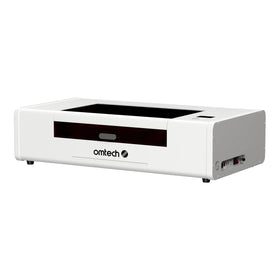
The Pro 2440 80W/100W CO2 Laser Engraver Cutting Machine sits in a sweet spot for small to mid-size production shops. Built-in water chiller. Autofocus included. Handles wood, acrylic, leather, and most non-metal materials without complaint.