






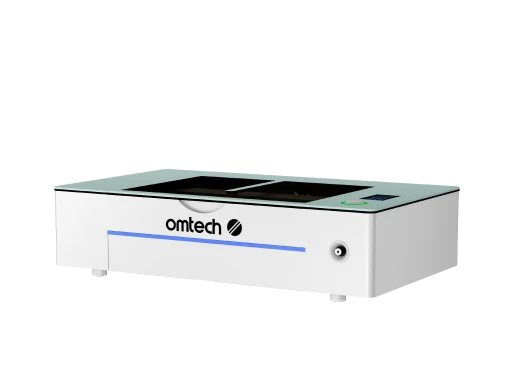
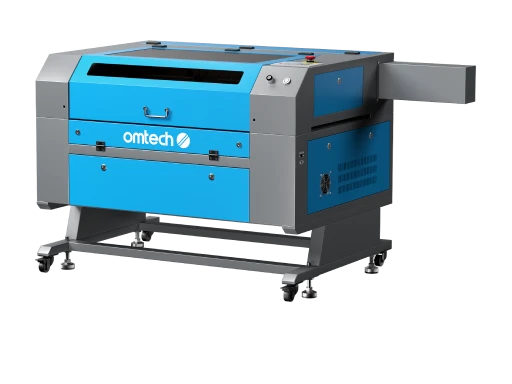
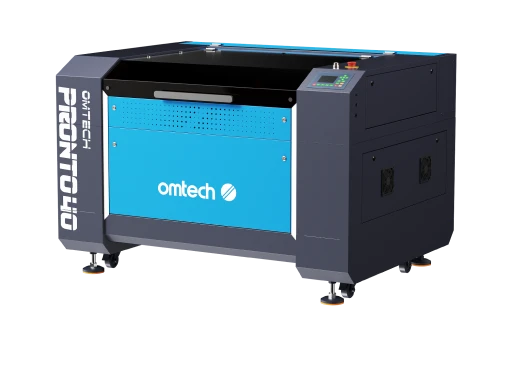
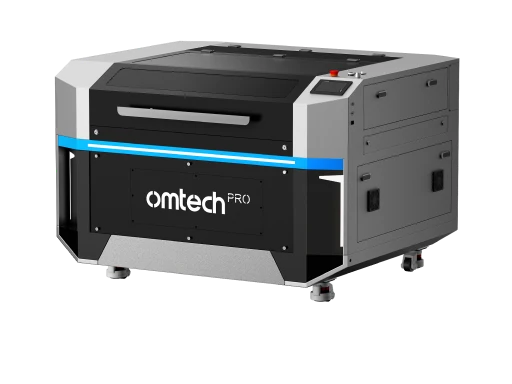
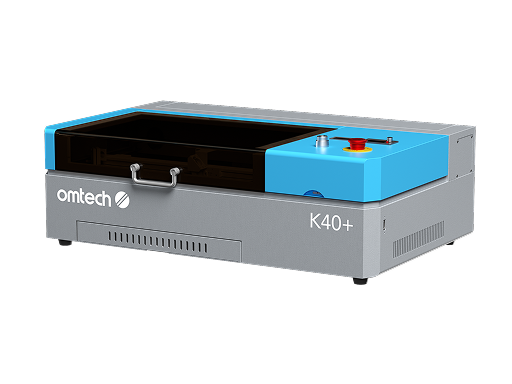

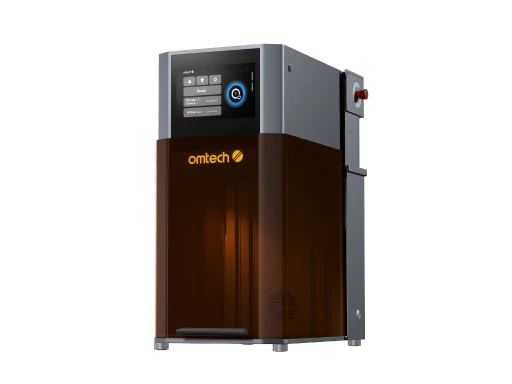
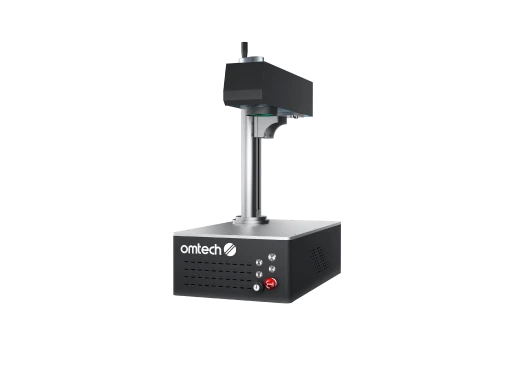
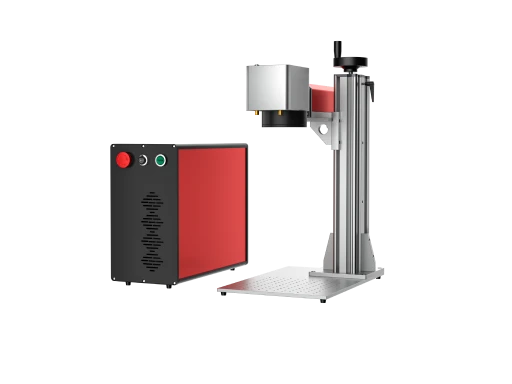
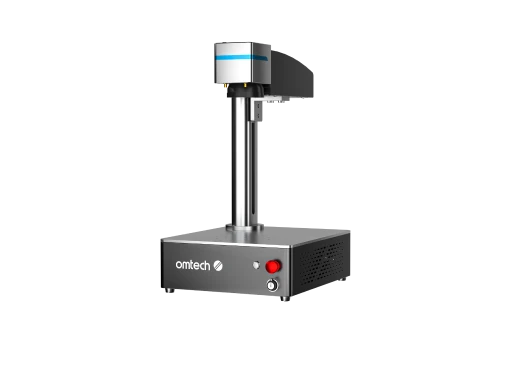

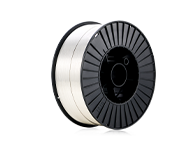
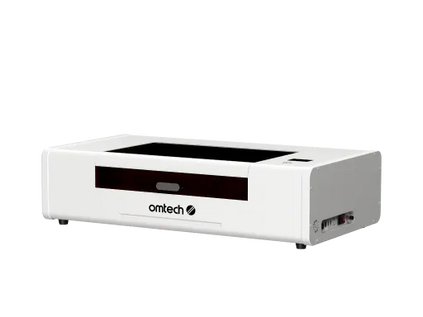
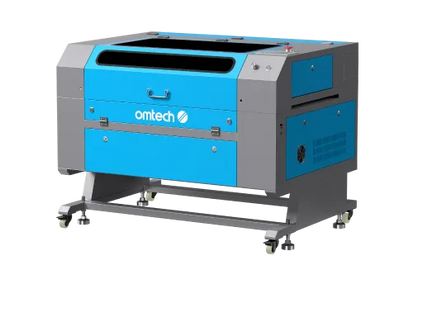
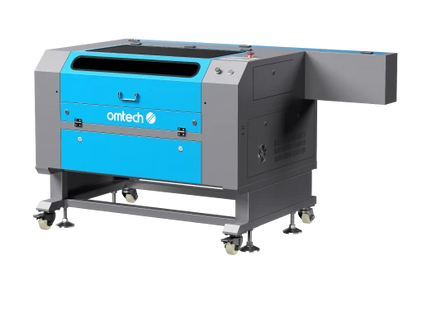
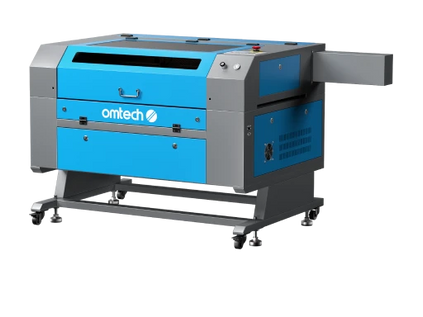
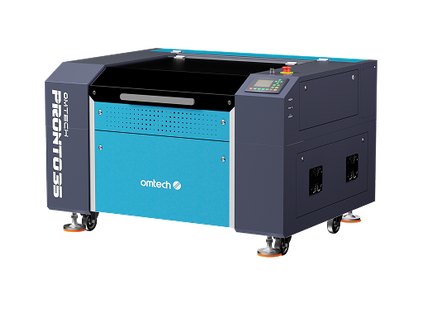
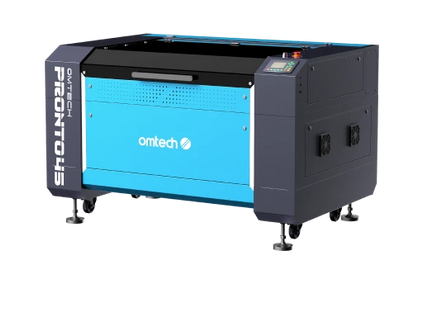
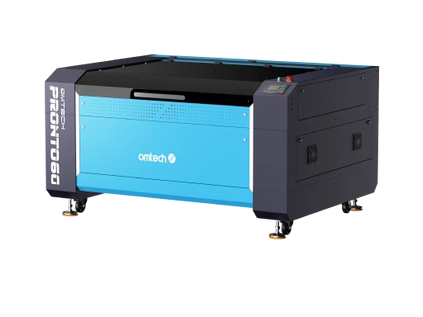

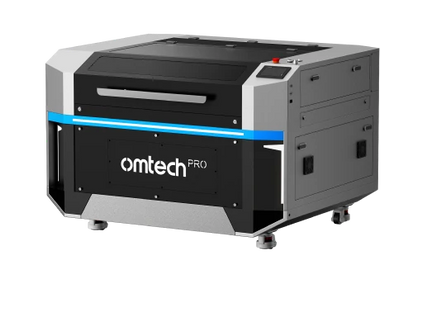
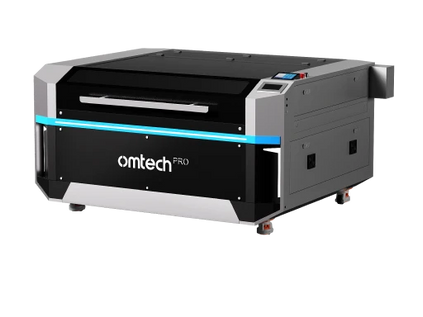

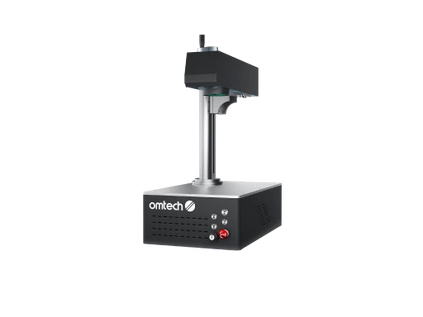
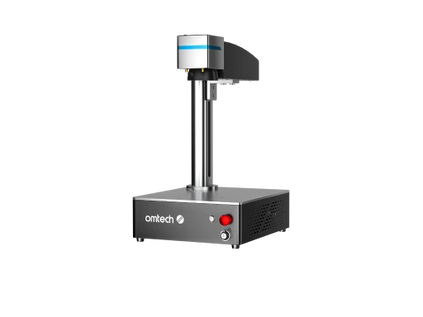
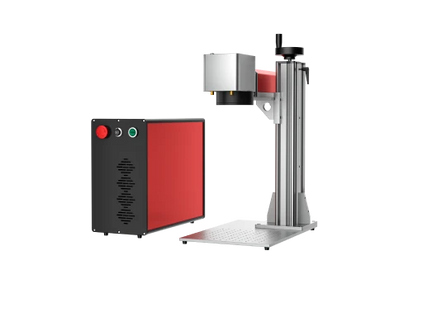
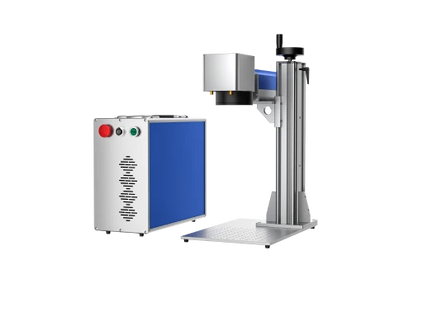

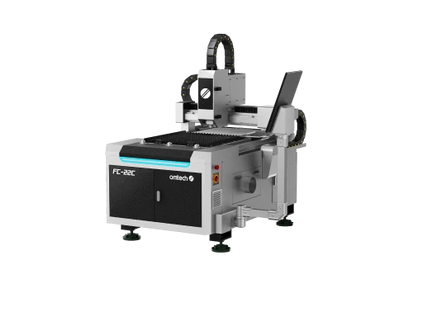
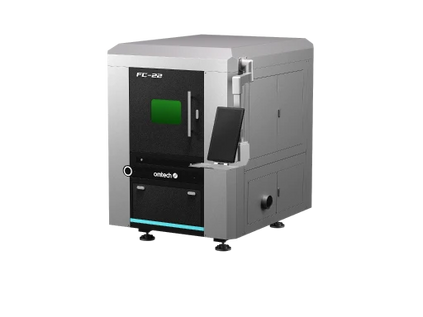
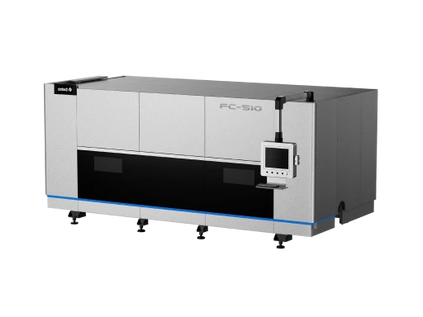
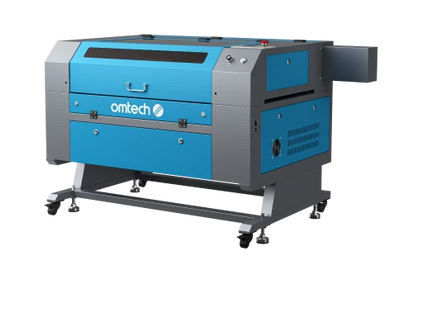
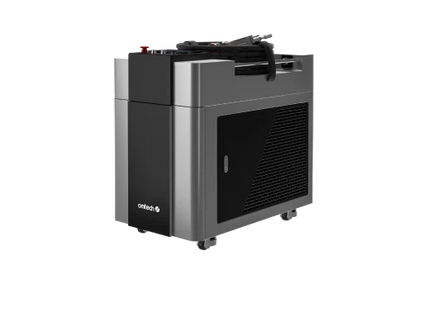
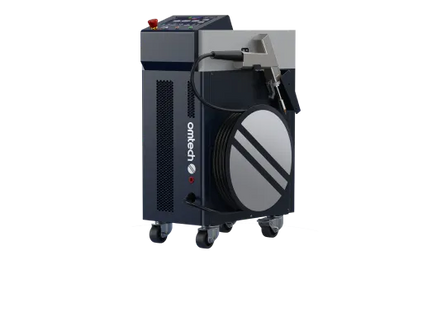


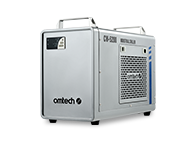
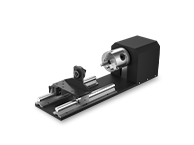
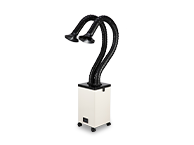
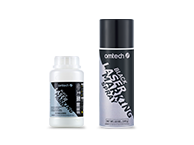
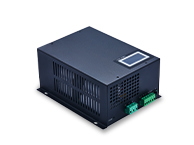
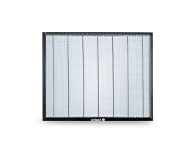
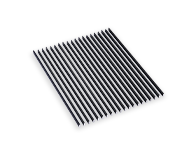
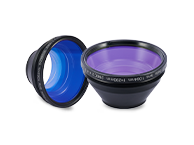
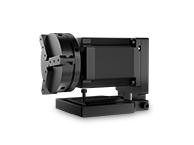
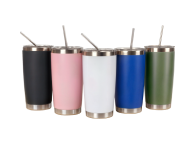
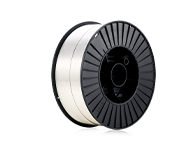
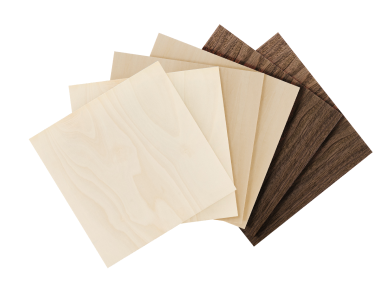
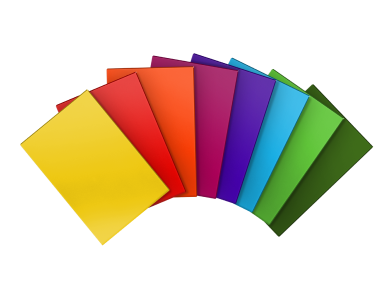

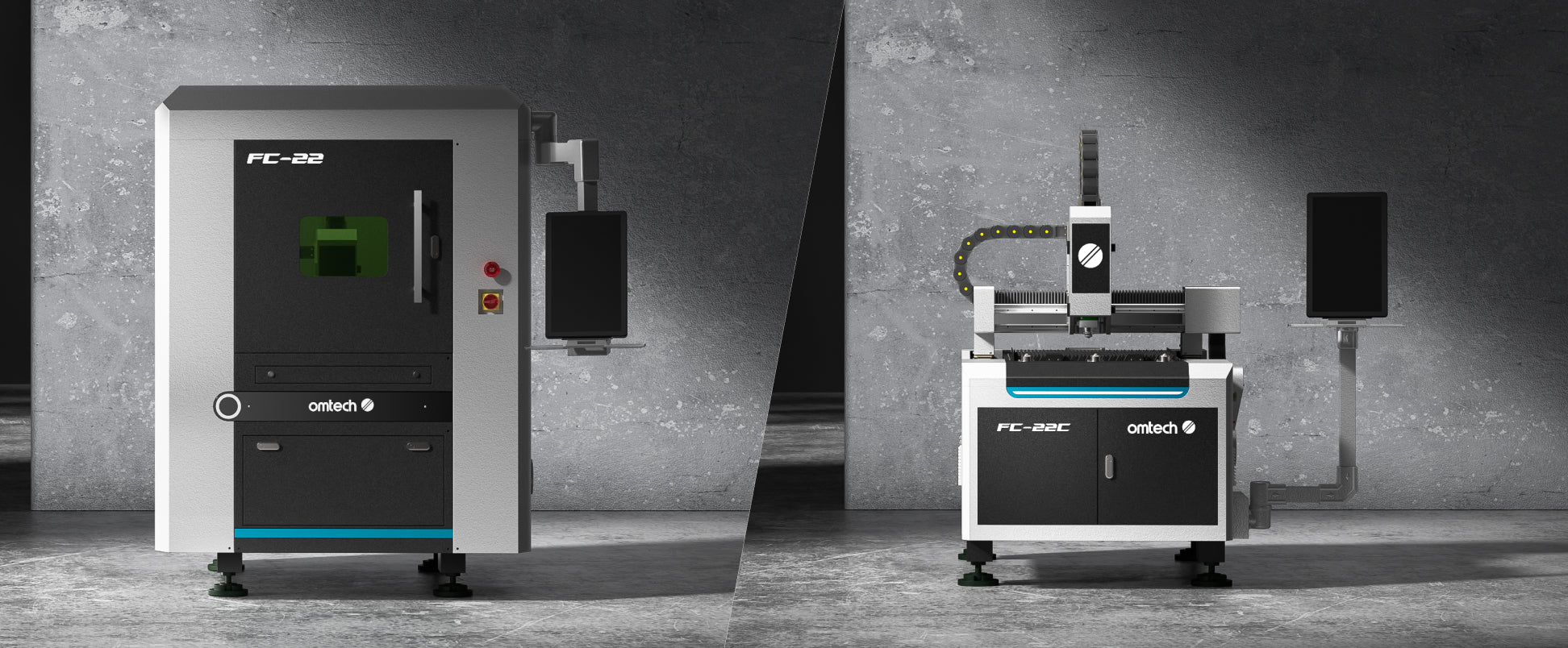
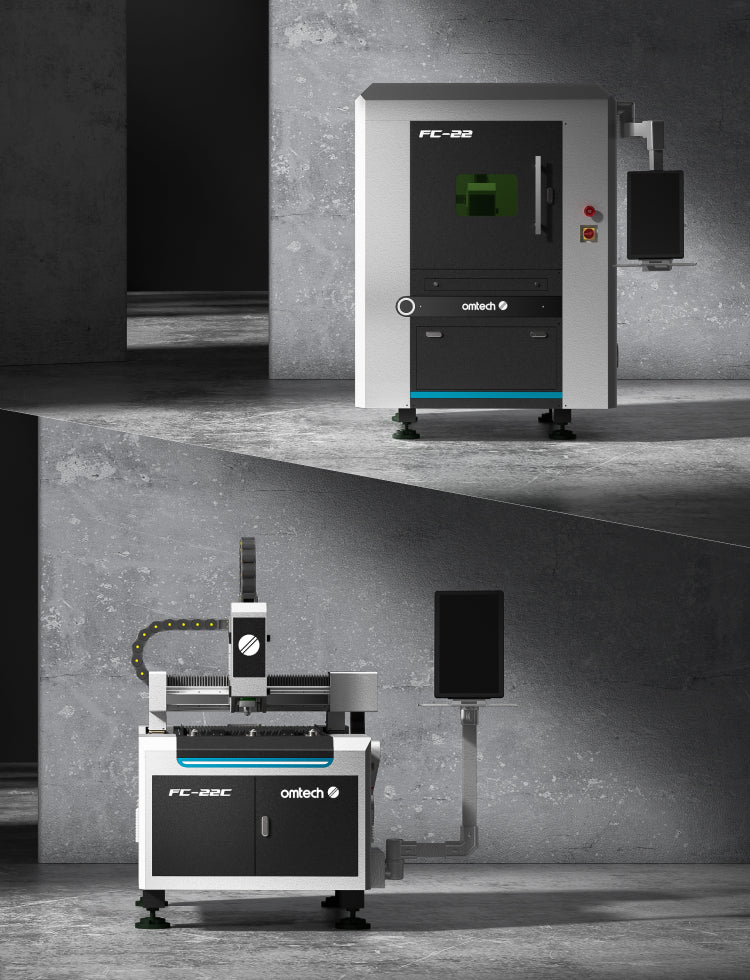


We are able to fully customize every FC Model to your exact specifications & power capacities (ranging from 1.5 kW to 4 kW). Our wide array of optional add-ons allow you the flexibility to build a machine with the right specs for your metal cutting and fabrication needs. Request a free consultation today and we'll connect you with an OMTech expert to design and outline your personalized quote in no time. Your Business. Your Machine. Empowered By OMTech.
If you need accessories for fiber laser cutters, please visit this page.


Frequently Asked Questions About Fiber Laser Metal Cutters
Our industrial fiber sheet metal cutters utilize professional, industry-standard CNC laser control software (such as CypCut). This provides a robust interface for nesting parts to maximize material yield, automatic edge seeking, anti-collision path planning, and advanced parameter control directly at the machine's operator station, seamlessly importing standard CAD DXF or DWG engineering files.
Industrial fiber metal cutters are heavy-duty manufacturing assets that require a stable commercial infrastructure. They generally run on Three-Phase Heavy Voltage Power (220V/380V). Additionally, your shop will need a high-output industrial air compressor or high-pressure gas cylinder manifolds to supply the necessary assist gases, as well as a dedicated, high-capacity dual-temperature water chiller (which comes bundled with OMTech systems) to independently cool the laser source and the cutting head.
Yes. Older laser technologies (like CO2) struggled heavily with reflective metals because back-reflection would travel straight back into the laser tube and destroy it. Modern OMTech fiber laser machines are built with highly resilient solid-state fiber sources and integrated back-reflection isolation protection. This allows them to safely and consistently slice through reflective aluminum, brass, bronze, and copper alloys without damaging the machine's internal optics.
Thickness capabilities scale directly with laser wattage and the type of assist gas used:
- An OMTech 1500W (1.5kW) system can cut carbon steel up to 12mm (using Oxygen) and stainless steel up to 5mm (using Nitrogen).
- An OMTech 3000W (3kW) system expands your shop's capabilities, cleanly slicing through carbon steel up to 20mm, stainless steel up to 10mm, and highly reflective metals like aluminum and brass up to 8mm.
While plasma cutting is highly capable of tackling extreme thicknesses at a lower initial equipment cost, a fiber laser cutter delivers unmatched precision, a significantly narrower kerf width, and virtually zero thermal distortion. Laser cutting metal leaves an impeccably clean, square edge with no dross or burrs, entirely eliminating the need for secondary grinding or finishing phases. For complex geometries, tight tolerances, and high-volume production, fiber lasers offer a drastically lower cost-per-part over time.